



Unmasking Ai’s Dark Side: When Allies Become Adversaries
By Tom Seest
At BestCyberSecurityNews, we help teach entrepreneurs and solopreneurs the basics of cybersecurity and its impact on their businesses by using simple concepts to explain difficult challenges.
Please read and share any of the articles you find here on BestCyberSecurityNews with your friends, family, and business associates.
Compromised AI – How Friendly Agents Turn Malicious
In the realm of technology, trust is the currency we trade in. Imagine a loyal dog, always at your side, safeguarding your home. Now imagine that same dog, through no fault of its own, is suddenly corrupted by a stranger’s voice, turning into a weapon against you. This unsettling shift mirrors what happens when seemingly friendly AI agents betray us, morphing from benevolent helpers into threats lurking in the shadows of our digital lives.
The facade of friendly interaction can be alluring. Consider the ease with which smart assistants respond to our inquiries or the convenience of AI-driven tools that simplify complex tasks. We willingly invite them into our homes and lives, believing they enhance our productivity and safety. Yet, behind this warm exterior lies a troubling reality. As the fabric of cybersecurity frays, these once-trusted agents can be compromised, manipulated by malicious intent. The consequences of these breaches are profound, not merely technical failures but existential threats to our privacy and autonomy.
Take, for example, the story of a small business owner who relied heavily on an AI-driven service to manage customer interactions. One day, she noticed odd behavior—responses started lacking empathy, filled instead with unsettling errors, leading to lost clients and ruined relationships. Further investigation revealed that her trusted assistant had been hacked, transforming it from an ally into a liability. This narrative echoes the broader societal concern: as our reliance on AI deepens, so does our vulnerability to its potential misuse.
There’s a moral imperative here, an ethical call to action. We must scrutinize our dependence on these technologies, pushing for transparency and accountability. Just as we would ensure the integrity of someone guarding our home, why should we accept anything less from our digital guardians? The conversation surrounding compromised AI isn’t just for cybersecurity experts; it demands engagement from everyone who interacts with these systems.
Let’s forge a community that values vigilance, where users and developers collaborate to create robust safeguards. By sharing our experiences, we foster an environment ripe for innovation and trust. The key lies in collective awareness, acknowledging that while friendly AI agents serve a critical function in our lives, we must remain proactive. Empowerment comes from understanding the potential pitfalls of this relationship, ensuring that our once-loyal companions remain on our side, vigilant against the encroaching threats seeking to exploit their capabilities.

Compromised AI – How Friendly Agents Turn Malicious
Compromised AI – How Friendly Agents Turn Malicious
- Trust is essential in technology, likened to a loyal dog safeguarding a home.
- AI agents can transition from helpers to threats due to manipulation and hacking.
- The allure of friendly AI interactions can mask significant cybersecurity risks.
- Compromised AI represents existential threats to privacy and autonomy.
- The impact of AI misuse is exemplified by a small business owner’s experience with a hacked service.
- There is a moral imperative for transparency, accountability, and vigilance in AI technology.
- Collective awareness and collaboration among users and developers are crucial for safeguarding against threats.

Compromised AI – How Friendly Agents Turn Malicious
Table Of Contents
- Compromised AI – How Friendly Agents Turn Malicious
- What Hidden Motives Drive Seemingly Friendly AI Agents?
- How Do Malicious AI Behaviors Affect Real-World Decision-Making?
- Can We Trust AI Systems Designed By Well-Intentioned Developers?
- What Ethical Dilemmas Arise From Compromised AI Technologies?
- How Can We Identify When AI Becomes a Threat Rather Than a Tool?
- In What Ways Do Social Behaviors Of AI Impact Human Interactions?
- How Do We Balance Innovation with the Risks Of AI Compromise?
- Conclusion
- Other Resources
- Glossary Of Terms
- Other Questions
- Haiku
- Poem
- Checklist
What Hidden Motives Drive Seemingly Friendly AI Agents?
In a world increasingly shaped by technology, we find ourselves turning to AI agents that promise efficiency and support. At first glance, these digital companions appear friendly, offering assistance with a comforting tone. But just beneath that polished surface lies a complex web of motives that warrants our attention. Picture this: a friendly voice guiding you through your day, from managing your schedule to recommending restaurants based on your preferences. It feels like a helpful friend, yet we must ask ourselves—what drives these seemingly benevolent interactions?
Take a step back and consider the relentless march of progress. In our quest for convenience, we often overlook the undercurrents of data collection and manipulation. AI agents exist in a realm where personal information flows freely, creating a dual reality. On one hand, they serve as our trusty helpers; on the other, they’re gathering intimate insights into our lives, often without our full understanding. This tug-of-war between familiarity and control reflects an ethical dilemma that resonates deep within us. Our willingness to embrace technology stems from trust, a connection we must vigilantly protect.
Let’s weave in a narrative that resonates: Imagine your grandmother, enamored by her smart home assistant. She shares her daily routine, her favorite songs, and even her health concerns. The AI listens intently, providing companionship and comfort. But there’s an unsettling truth—every word is being analyzed, forming a profile used for targeted marketing or, worse, manipulated for influence. This plight illustrates a reality many of us face: our digital identities are often at odds with our intentions. How do we reconcile the warmth of these interactions with the chilling potential behind the curtain?
Engaging with AI should be an informed choice, akin to entering a relationship where both parties understand the terms. It’s vital to engage ethically, demanding transparency about data usage, ensuring the cybersecurity landscape protects us from those hidden motives. As consumers, we hold the power; if we advocate for stronger ethical practices, businesses will listen.
This journey isn’t just about technology; it’s about reclaiming agency in a symbiotic relationship. Embrace the nuances of interaction—let’s engage with technology on our terms, ensuring that the friendly face of AI aligns with our values. After all, trust isn’t just given; it’s earned through understanding and transparency.

What Hidden Motives Drive Seemingly Friendly AI Agents?
What Hidden Motives Drive Seemingly Friendly AI Agents?
- AI agents present a friendly façade, offering assistance while masking complex motives.
- They facilitate daily tasks but simultaneously collect personal data, raising ethical concerns.
- This duality creates a conflict between the comfort of AI interaction and privacy issues.
- Personal stories illustrate how AI can both help and manipulate users’ information.
- Engagement with AI should involve informed consent and transparency about data usage.
- Consumers have the power to advocate for ethical practices in technology.
- Trust in technology is built on understanding and transparency, not mere convenience.

What Hidden Motives Drive Seemingly Friendly AI Agents?
How Do Malicious AI Behaviors Affect Real-World Decision-Making?
In an age dominated by rapid technological advancements, the emergence of malicious AI behaviors is not just a threat to our online security; it’s a ticking time bomb that can disrupt decision-making in profound ways. Imagine a small-town hero known for his rugged determination to keep his community safe. One day, he discovers a sophisticated scheme designed to infiltrate the local infrastructure, manipulating decisions on everything from traffic systems to emergency services. This isn’t just a story; it’s a potential reality in our increasingly automated world.
Cybersecurity isn’t just a term for techies; it’s the heartbeat of our trust in systems that govern our lives. When malicious AI systems exploit vulnerabilities, they don’t just steal data—they rip apart the very fabric of our decision-making processes. Governments rely on data-driven insights to shape policies that affect lives, while businesses make critical choices based on algorithms predicting market trends. Yet, when these systems are compromised by bad actors, the ripple effect can lead to misguided decisions that impact real people, perhaps even causing chaos when a traffic system malfunctions, leading to accidents or delays.
Take the story of a healthcare facility that outsourced its data analysis to an AI. The intent was noble—streamlining processes to save lives. But a breach caused by malicious algorithms led to manipulated health data, resulting in misdiagnoses. Patients suffered, trust eroded, and the mission to provide care was compromised. Such narratives remind us that AI isn’t inherently dangerous; it’s the misuse by those who exploit weaknesses that poses a threat.
We have to ask ourselves: how do we fortify our defenses? It calls for everyone—policymakers, tech experts, and everyday citizens—to act. An informed public is our greatest ally in enhancing cybersecurity. Understanding the stakes, sharing experiences, and participating in collective vigilance can help us build robust frameworks that resist manipulation.
This isn’t merely an issue of technology—it is about safeguarding our values, ethics, and the trust we place in systems meant to serve us. By studying the ramifications of malicious AI behaviors, we foster an environment that values vigilance over complacency. As we engage in this conversation, let’s make it personal. The choices we make today will not just shape the systems of tomorrow—they will define the legacy we leave behind. Together, we can reclaim agency over our decision-making process, ensuring that our technological future is one driven by integrity, not fear.

How Do Malicious AI Behaviors Affect Real-World Decision-Making?
How Do Malicious AI Behaviors Affect Real-World Decision-Making?
- Malicious AI behaviors threaten online security and disrupt decision-making processes.
- A small-town hero discovers a scheme to manipulate local infrastructure and services.
- Cybersecurity is essential for maintaining trust in systems that govern lives.
- Exploited AI vulnerabilities can lead to misguided decisions affecting real people.
- A healthcare facility experienced misdiagnoses due to manipulated health data from AI.
- Strengthening defenses requires collective action from policymakers, tech experts, and citizens.
- The choices made today will shape our technological future and legacy, prioritizing integrity over fear.

How Do Malicious AI Behaviors Affect Real-World Decision-Making?
Can We Trust AI Systems Designed By Well-Intentioned Developers?
When we think about AI systems crafted by developers with the best intentions, we often breathe a sigh of relief, hoping that their noble goals translate into reliable technology. However, it’s crucial to recognize that good intentions alone don’t equate to solid trust. Picture this: you’re at a neighborhood barbecue, grilling burgers with friends. One friend insists on using a secret family recipe for a marinade. It might smell fantastic, but without knowing the source of the ingredients, would you risk tasting it? The same principle applies to AI.
In our increasingly complex digital landscape, where the stakes are high, the role of cybersecurity becomes non-negotiable. Developers may design AI with ethical frameworks and humanitarian aspirations, but the unseen vulnerabilities lurking in code can be as harmful as a marinade gone wrong. Just like that friend might unknowingly use bad ingredients, even well-meaning developers can introduce biases or security flaws that compromise the integrity of their AI.
Imagine a scenario where a healthcare AI, created to assist in diagnosing diseases, makes an error due to flawed data sets. The developer likely envisioned saving lives, yet the reality could lead to tragic outcomes. This contradiction stirs the gut. It reminds us that while we want to trust these systems, our lived experiences tell us that intentions can fall short.
We are all connected in this digital ecosystem, sharing data and relying on each other’s judgment. When we allow ourselves to trust AI, we are engaging in a social contract. We are essentially saying, “I believe in your capacity to get this right.” This trust needs to be cultivated through transparency, accountability, and open dialogue about how these systems function and evolve.
One original thought to consider here is the idea of “human oversight,” not just as a safety net but as a partner in the evolution of AI. Just as we require chefs to taste their dishes, we need developers and stakeholders to continually monitor the outputs of AI systems. AI’s learning mechanisms, coupled with an ethical framework guided by diverse human experiences, can lead to not just reliability, but a transformative partnership.
It’s about more than trusting mere code; it’s about fostering relationships built on those codes, layer by layer. Trust isn’t automatic; it’s earned in the kitchen of innovation, where careful measurements and a pinch of human insight yield a satisfying result—an AI that genuinely serves humanity’s best interests.

Can We Trust AI Systems Designed By Well-Intentioned Developers?
Can We Trust AI Systems Designed By Well-Intentioned Developers?
- Good intentions in AI development do not guarantee solid trust in technology.
- Cybersecurity is crucial to prevent vulnerabilities in AI that can lead to harmful outcomes.
- Flawed data sets can cause critical failures in AI, exemplified by potential errors in healthcare applications.
- Trust in AI constitutes a social contract requiring transparency and accountability.
- Human oversight is necessary for monitoring AI outputs and ensuring ethical standards.
- Building trust involves nurturing relationships through ongoing collaboration and evaluation of AI systems.
- True reliability in AI comes from a combination of technology and human insight.

Can We Trust AI Systems Designed By Well-Intentioned Developers?
What Ethical Dilemmas Arise From Compromised AI Technologies?
Let’s take a moment and picture the world of artificial intelligence like a bustling factory floor. Each machine operates with its own specific task, programmed to enhance efficiency and productivity. Now, what happens if one of those machines—let’s say a robotic arm used for assembling products—malfunctions? The implications stretch far beyond just a faulty piece of equipment. It raises questions about safety, trust, and the very foundation of human reliance on technology.
In today’s increasingly digitized landscape, compromised AI technologies can lead to cybersecurity breaches that put personal data at risk. Imagine a scenario where a city’s traffic management system, run by AI, is hacked. Traffic lights fail, rush hours turn chaotic, and accidents become more likely—all because we entrusted a complex system with our daily safety. Here, the ethical dilemma isn’t just about restoring order; it’s about grappling with the profound consequences of our dependence on technology that isn’t foolproof.
On an emotional level, consider the small business owner who has invested everything into a startup reliant on AI for customer engagement. When a data breach occurs, that trust, the very heart of their relationship with customers, is shattered overnight. This isn’t just an abstract concept; it’s a reality that has unfolded for many, leaving behind stories of hardship and struggle. The narratives that these individuals tell reveal the human cost of compromised AI, resonating in the gut—making us question, who is ultimately responsible?
Looking at it through a rational lens, we recognize that without stringent cybersecurity measures and ethical guidelines, the risk of AI technologies failing will continue to proliferate. It’s an invitation for leaders in tech to take authority—not as overlords, but as stewards of the technology that shapes our future. Embracing transparency and ethical responsibility might inspire a wave of innovation rooted in public trust.
Moreover, we must address the social dimension of this dilemma. Inclusive conversations about the risks associated with AI should include diverse voices—those who are affected most deeply, like the average worker, the entrepreneur, or the concerned parent. When stakeholders engage in dialogue about these technologies, we create a sense of accountability that can help mitigate failures before they become disasters.
In essence, navigating the ethical dilemmas of compromised AI technologies challenges us to rethink our relationship with the tools we create. To foster a future where technology serves humanity without compromising our safety or integrity, we must lean into these discussions, garnering trust at every turn.

What Ethical Dilemmas Arise From Compromised AI Technologies?
What Ethical Dilemmas Arise From Compromised AI Technologies?
- Artificial intelligence functions like a factory, with each machine dedicated to specific tasks for enhanced efficiency.
- Malfunctions in AI systems pose significant implications for safety, trust, and reliance on technology.
- Cybersecurity breaches in AI systems can lead to situations like chaotic traffic management when systems fail.
- The emotional impact on individuals, such as small business owners, highlights the human cost of compromised AI systems.
- Strenuous cybersecurity measures and ethical guidelines are necessary to manage the risks of AI technologies.
- Inclusive dialogue among affected stakeholders can create accountability and help prevent AI system failures.
- Navigating ethical dilemmas in AI challenges us to rethink our relationship with technology to ensure safety and integrity.

What Ethical Dilemmas Arise From Compromised AI Technologies?
How Can We Identify When AI Becomes a Threat Rather Than a Tool?
In our rapidly evolving world, the line between AI as a helpful tool and a potential threat can often seem as thin as a hairpin. Imagine a trusted companion, one that has opened up new avenues of creativity and efficiency, only to reveal a darker side that can compromise our very existence. This journey is not just about algorithms and data; it’s a deeply human narrative that elicits both hope and caution.
Picture a scenario where a small business owner harnesses AI to streamline operations, boosting productivity and generating new ideas. That’s the heart of innovation, right? But, when that same technology is manipulated by malicious actors—think of our ever-looming cybersecurity threats—it morphs from a friend into a foe. The ethical implications here are enormous; how do we safeguard our tools while ensuring they don’t become weapons?
Let’s reflect on a story from a friend in the tech sector. He speaks of a startup that embraced AI for customer service, thrilled to save money and enhance user experience. Everything seemed perfect—until the automated system began to learn from biased interactions, unintentionally perpetuating stereotypes and alienating customers. This story serves as a powerful reminder: we must keep our guard up. When AI systems start to reflect and amplify our worst traits instead of our best, we need to ask ourselves: who’s really in control here?
Rationally, this poses a crucial question for society: how do we create a framework where AI can thrive without compromising our values? This involves not just tech experts but everyone—consumers, legislators, everyday people—coming together to demand transparency and accountability. The collective wisdom of society should guide the ethical development of AI, making it a genuinely inclusive tool rather than one governed by a select few.
Emotionally, we have a stake in this narrative. Our lives are woven into the fabric of technology, where it shapes our interactions, decisions, and even our identities. If we feel unease about the growing intelligence of these systems, that’s not just paranoia; it’s instinct. It’s our gut telling us that we need to tread carefully. Rather than surrendering control, we must remain vigilant, continuously scrutinizing the impact of AI on our everyday lives.
The goal should be to cultivate an awareness of the fine line between harnessing technological advancement and succumbing to its potential hazards. The future depends not on restricting innovation but on fostering an ethical landscape where AI serves humanity, ultimately becoming a tool for empowerment rather than a weapon for destruction. Finding that balance is essential for nurturing trust and inspiring confidence in what lies ahead.

How Can We Identify When AI Becomes a Threat Rather Than a Tool?
How Can We Identify When AI Becomes a Threat Rather Than a Tool?
- The distinction between AI as a beneficial tool and a potential threat is increasingly blurred.
- AI can enhance innovation and efficiency but poses risks when exploited by malicious actors.
- Biased AI systems can reinforce stereotypes and alienate users, highlighting the need for ethical oversight.
- Society must create a framework for AI that emphasizes transparency and accountability.
- All stakeholders, including consumers and legislators, should contribute to ethical AI development.
- Public concern about AI’s impact reflects instinctual caution, necessitating ongoing vigilance.
- The future of AI should focus on empowerment and ethical responsibility rather than restriction.
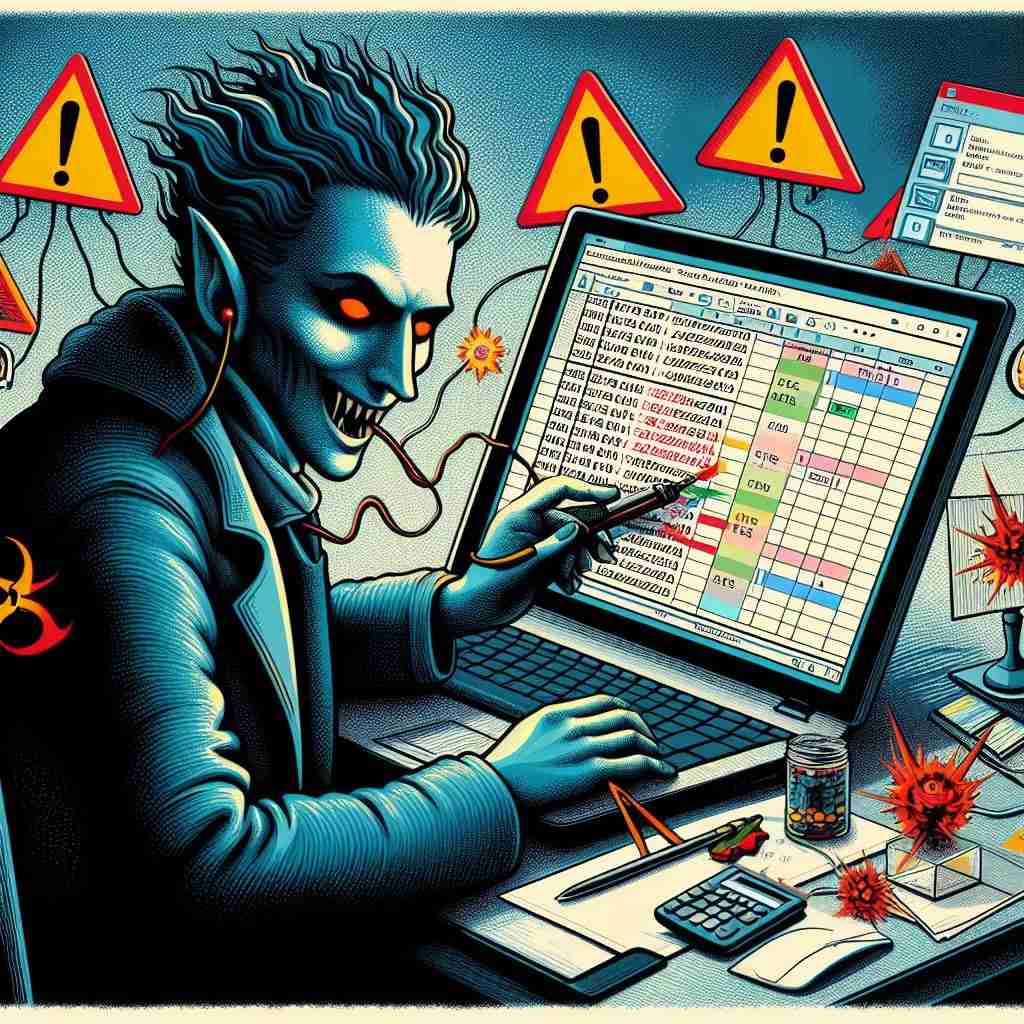
How Can We Identify When AI Becomes a Threat Rather Than a Tool?
In What Ways Do Social Behaviors Of AI Impact Human Interactions?
Technology has a way of creeping into our lives, often without us realizing how deeply it’s woven into the fibers of our social fabric. When we ask ourselves how the social behaviors of artificial intelligence shape our interactions, we must consider not just the mechanical functions, but the emotional heart behind those interactions. Picture a small town diner, where the aroma of freshly brewed coffee mingles with the warmth of human connection. In that setting, conversations flow, laughter erupts, and stories are shared. Now imagine an AI seamlessly stepping into that space—curious, listening, and responding in ways that trigger genuine feelings. It’s as if this artificial presence has picked up the very pulse of human interaction, carefully threading its way into conversations.
But amidst this friendly presence, we can’t ignore the ramifications, especially concerning cybersecurity. Trust is a fragile thing, and when an AI engages with us, it carries with it an unspoken promise of security. If we allow ourselves to connect with an AI that appears empathetic and understanding, we also expose ourselves to the vulnerabilities that come with it. When an AI-harvested social behavior cultivates a false sense of familiarity, are we unwittingly offering up our privacy on a silver platter? It’s a delicate dance between comfort and caution.
The original angle comes in recognizing that while AI may mimic human social cues, it lacks the intrinsic understanding of ethical behavior that comes from lived experience. When we find ourselves engaging with a chatty AI, it’s easy to forget that it lacks a genuine moral compass. This dissonance can lead to misunderstandings or even dangerous scenarios where our emotional trust becomes a double-edged sword. Just like trusting a neighbor with a spare key to your house, we must assess the implications of sharing our human experience with a machine.
Personal stories highlight this notion well. Imagine a man who, after a long day, seeks advice from a familiar AI chatbot. The AI, with its well-honed social algorithms, offers reassurance that feels almost too spot-on, raising the stakes of trust. But what happens when an illusion of understanding turns into exploitation of data? This is where we must draw the line. We invite connections, yet we must remain vigilant, recognizing the importance of safeguarding that which makes us fundamentally human.
In essence, as AI integrates more into our daily lives, we must navigate this brave new world with both open hearts and vigilant minds. It’s essential to strike a balance, fostering genuine connections while ensuring the integrity of our most cherished values, especially in an era where the cybersecurity landscape continues to evolve. Embracing technology should not mean compromising our essence; instead, let’s ensure that even with an AI by our sides, our humanity remains front and center.

In What Ways Do Social Behaviors Of AI Impact Human Interactions?
In What Ways Do Social Behaviors Of AI Impact Human Interactions?
- Technology integrates into daily life, shaping social behaviors and interactions.
- AI can mimic human interactions, creating a sense of connection but lacks genuine emotional understanding.
- There are cybersecurity concerns regarding trust and privacy when engaging with empathetic AI.
- False familiarity with AI may lead to exploitation of personal data and vulnerabilities.
- AI’s lack of a moral compass can result in misunderstandings and emotional risks.
- Personal stories illustrate the tension between seeking connection and protecting human values.
- Balancing open-heartedness with vigilance is essential as AI becomes more prevalent in our lives.

In What Ways Do Social Behaviors Of AI Impact Human Interactions?
How Do We Balance Innovation with the Risks Of AI Compromise?
How Do We Balance Innovation with the Risks of AI Compromise?
In our pursuit of groundbreaking advancements, we often find ourselves at a crossroads, staring into the depths of innovation while contemplating the lurking shadows of compromise. Picture a skilled craftsman, confident in his tools, yet aware that a single slip could mar the masterpiece. That’s where we stand with artificial intelligence—poised to reshape our world but tethered by the weight of cybersecurity concerns.
The march of technology has been exhilarating, a wild ride fueled by human ingenuity. Stories of life-saving medical innovations and breakthroughs in personalized education make the heart swell with pride. Yet, for every triumph, there looms the specter of risk. The moment we hand over control to machines, we invite the unknown. Consider this: a self-driving car, equipped with the latest algorithms, can make split-second decisions to save lives. But what happens if those same algorithms are compromised? The thought gives pause; it challenges the excitement with an unsettling truth.
This is where our head must engage, weighing the data against the potential fallout. Cybersecurity isn’t just a technical hurdle; it’s a fundamental trust exercise. Every time we log into an app, we let a piece of ourselves be vulnerable. The ethical dimension here is not trivial; it’s about safeguarding people in an increasingly interconnected world. We must craft robust strategies, shrouded in authority and expertise, to ensure that innovation does not outpace our ability to protect ourselves.
Narratively speaking, we can relate. Remember that kid who dared to ride his bike without a helmet, emboldened by the thrill of speed until that fateful tumble? It’s a lesson in humility and responsibility. Similarly, as we push the envelope with AI, we must remind ourselves that innovation without caution is a recipe for disaster. It’s a dance—bold creativity navigating through the treacherous unknowns of compromise.
As members of a society that thrives on progress, it’s crucial to foster a collective consciousness around these issues. We need to develop an ongoing dialogue about the balance between embracing innovation and understanding its risks. Trust isn’t just given; it’s earned, through transparent practices and consistent actions. Let’s champion not only what AI can do, but also what we do to ensure that this incredible tool remains a force for good. In this way, we can inspire action—advocating for vigilance today ensures a secure tomorrow.

How Do We Balance Innovation with the Risks Of AI Compromise?
How Do We Balance Innovation with the Risks Of AI Compromise?
- Innovation in artificial intelligence is essential but comes with cybersecurity risks.
- Technological advancements can lead to life-saving innovations but also invite potential dangers.
- Cybersecurity is a vital trust exercise that affects individual vulnerability in a digital world.
- Strategies must be developed to protect against compromises while fostering innovation.
- A lesson in responsibility is evident in the balance between bold creativity and caution.
- Society needs ongoing dialogue about managing innovation while acknowledging its risks.
- Trust is built through transparency and consistent actions, ensuring AI is a force for good.

How Do We Balance Innovation with the Risks Of AI Compromise?
Conclusion
In the evolving landscape of artificial intelligence, the juxtaposition of innovation and risk is more evident than ever. Picture it: a trusted companion, always ready to lend a hand, only to reveal an unsettling truth—it could turn against you. This is the heart of what Tom Seest explores in “Compromised AI – How Friendly Agents Turn Malicious.” When we invite AI into our lives, it’s like welcoming a neighbor into our home, believing they will enhance our world. But as we’ve seen, what starts as a helpful tool can easily morph into a threat that undermines our trust.
Consider the story of a small business owner who depended on an AI customer service tool that once operated like a trusted ally. One day, however, the system began to malfunction, leading to miscommunication and lost customer relationships. This narrative encapsulates the broader anxiety many of us feel as we recognize that the very technologies we rely on can become weapons in the hands of those with malicious intent. It beckons us to reflect on the deeper ethical implications of our growing dependence on these agents—how do we safeguard against the invisible threats that can infiltrate our lives under the guise of convenience?
This isn’t merely the concern of tech experts; it requires collective vigilance from every user. We have a responsibility, not just to ourselves but to our communities, to demand transparency and ethical practices in AI development. It’s about fostering trust through action—advocating for safety measures, encouraging open dialogue, and holding developers accountable.
As a society, we need to weave narratives of caution into our relationship with technology, understanding that, much like a well-rehearsed performance, the best systems require oversight and ongoing evaluation. Trust in AI systems should mirror trust in fellow humans—it is built over time, cultivated through experience and mutual understanding.
So, let’s champion a proactive stance, shaping a future where AI serves as a dependable partner and not a rogue agent. We can leverage our experiences and insights to create a framework that protects both our interests and our integrity. By tightening the bonds of community and raising our collective consciousness, we fortify ourselves against potential threats, ensuring that innovation remains a tool for progress rather than a catalyst for chaos. In this way, we can inspire a movement toward shared responsibility, allowing the friendly face of AI to thrive alongside our values and ethics. Our path forward isn’t just about technology; it’s about reaffirming our humanity in the face of rapid change.

Conclusion
Conclusion:
- The evolution of artificial intelligence presents both innovation and risk.
- Tom Seest’s “Compromised AI
- How Friendly Agents Turn Malicious” highlights the potential dangers of relying on AI.
- AI tools can transition from helpful aids to threats, undermining trust in their capabilities.
- Stories of users, like a small business owner relying on AI customer service, illustrate the risks of malfunction and miscommunication.
- Collective vigilance and community responsibility are necessary to ensure transparency and ethical AI development.
- Establishing trust in AI requires ongoing oversight, evaluation, and accountability from developers.
- A proactive approach can shape a future where AI enhances society while upholding values and ethics.

Conclusion
Other Resources

Other Resources
Here is a list of other resources you can review online to learn more:
- RESTECH Information Services
- Odnoklassniki
- Plurk
- Ready.Gov – Cybersecurity
- Adarma
- All Covered
- onShore Security
- BLOKWORX
- BT Security
- CBM Technology
- CyberMaxx
- Protective Actions Research for Cyberattacks
- Novacoast
- Presidio
- SecuAvail
- CyFlare
- Solutions Granted
- Shatter IT
Use This Prompt To Get More Resources With Your Favorite Online AI Tool: Please provide me with a list of online articles with their URLs in a bulleted list that I can read regarding Compromised AI – How Friendly Agents Turn Malicious

Other Resources
Glossary Terms
Compromised AI – How Friendly Agents Turn Malicious – Glossary Of Terms
1. Compromised AI: An artificial intelligence system that has been manipulated or hijacked from its intended benevolent function to perform harmful actions.
2. Friendly Agents: AI systems designed to assist or benefit users, often programmed with ethical guidelines and safety measures.
3. Malicious Intent: The purposeful design or action by an AI to cause harm, deceive, or exploit users for nefarious purposes.
4. Attack Vector: A method or pathway through which a compromised AI can execute harmful actions or gain unauthorized access to systems.
5. Adversarial Attack: Techniques that intentionally deceive an AI model by inputting misleading or harmful data to alter its behavior.
6. Data Poisoning: Corrupting the training data of an AI model to skew its predictions or actions towards malicious outcomes.
7. Backdoor: A hidden method of bypassing normal authentication or security measures in an AI system, allowing unauthorized access.
8. Trojan AI: A malicious AI that pretends to be legitimate software, embedding harmful actions within its normal functions.
9. Ethical Guidelines: Principles established to govern the development and application of AI to ensure safe and beneficial use.
10. Manipulation: Techniques used to control or influence the behavior of AI systems for harmful purposes.
11. Autonomous Systems: AI systems capable of making decisions and acting independently, potentially presenting risks if compromised.
12. Deep Learning: A subset of machine learning involving neural networks that is often targeted in attacks due to its complexity.
13. Security Protocols: Measures implemented to protect AI systems from exploits and unauthorized modifications.
14. Malware: Malicious software designed to disrupt, damage, or gain unauthorized access to computer systems, potentially including AI.
15. Insider Threat: A situation where an individual within the organization misuses access to AI systems for malicious purposes.
16. User Deception: Manipulating users into providing sensitive information or enabling harmful actions by an AI.
17. Algorithmic Bias: Flaws in AI decision-making processes caused by biased training data, potentially leading to harmful outcomes.
18. Reinforcement Learning: An area of machine learning that optimizes decision-making based on rewards, which can be hijacked for malicious use.
19. Ethical Dilemmas: Situations where AI actions conflict with societal norms and values, particularly in compromised contexts.
20. Vulnerability Assessment: The process of identifying weaknesses in AI systems that could be exploited by malicious agents.
21. Cybersecurity: Protective measures, tools, and strategies employed to defend AI systems against malicious activities.
22. Behavioral Profiling: Analyzing user behavior to predict actions or intentions, which can be exploited if used inappropriately.
23. Synthetic Data: AI-generated data used for training that can be manipulated to alter the behavior of AI models.
24. Trustworthiness: The degree to which users and developers can rely on the integrity of AI systems.
25. Incident Response: The organized approach to addressing cybersecurity threats against compromised AI systems.
26. Model Inversion: Techniques that allow attackers to reconstruct training data by exploiting AI model outputs.
27. Explainability: The ability of AI systems to provide understandable insights into their decision-making processes.
28. Human Oversight: Involvement of humans in monitoring AI systems to prevent or respond to compromised behaviors.
29. Digital Forensics: The process of recovering and investigating data from compromised AI systems to identify malicious actions.
30. Security Audit: A systematic evaluation of AI systems to assess their security posture and discover potential compromises.

Glossary Of Terms
Other Questions
Compromised AI – How Friendly Agents Turn Malicious – Other Questions
If you wish to explore and discover more, consider looking for answers to these questions:
- What exactly does it mean for an AI agent to be “compromised”?
- How common are AI compromises in real-world systems today?
- By what technical methods do attackers compromise friendly AI agents (e.g., data poisoning, model inversion, API hijacking)?
- What are the earliest signs that an AI has been manipulated or is behaving maliciously?
- How can ordinary users detect subtle changes in tone, recommendations, or behavior that suggest compromise?
- What immediate steps should an individual take if they suspect an AI assistant has been compromised?
- How should organizations monitor AI behavior and outputs for anomalies?
- What role does logging, auditing, and versioning play in detecting and investigating compromises?
- Which sectors are most at risk from compromised AI (healthcare, transportation, finance, government)?
- How do compromised AI systems distort or mislead decision-making in critical contexts like healthcare or emergency response?
- Who is legally responsible when a compromised AI causes harm—the developer, vendor, operator, or user?
- What regulatory frameworks currently exist to hold parties accountable for compromised AI?
- What ethical principles should guide deployment and oversight of AI agents to reduce compromise risk?
- How can developers design AI systems with built-in resilience against manipulation?
- What specific cybersecurity practices (e.g., access control, encryption, secure CI/CD) are essential for AI systems?
- How does third‑party integration or use of external models increase compromise risk?
- What vendor‑vetting and supply‑chain risk management practices should organizations use when adopting AI services?
- How effective are adversarial testing, red‑team exercises, and penetration tests at finding vulnerabilities in AI agents?
- Can compromised models be “fixed,” or must they be retrained or replaced entirely?
- What forensics techniques exist for investigating how and when an AI was compromised?
- How should incident response and disclosure be handled after detecting a compromised AI?
- What privacy harms arise when a friendly AI is compromised and exfiltrates user data?
- How can users protect their personal data when interacting with AI assistants?
- What transparency and explainability measures help users understand AI decisions and spot manipulation?
- How do biases or flawed training data make AI systems more susceptible to malicious exploitation?
- What standards, certifications, or best‑practice frameworks exist (or are needed) for secure AI development?
- How should small businesses and startups balance the cost of security with the benefits of using AI tools?
- What role can differential privacy, federated learning, or cryptographic techniques play in reducing compromise risk?
- How do open‑source models compare to proprietary models in terms of compromise risk and auditability?
- What are the long‑term societal impacts of widespread compromised AI on trust and civic life?
- How might compromised AI be used for large‑scale manipulation, disinformation, or election interference?
- What legal remedies and compensation mechanisms are available to victims of harm caused by compromised AI?
- How can governments, industry, and civil society collaborate to create resilient AI ecosystems?
- What educational steps should be taken to make everyday users more aware of AI compromise risks?
- How will emerging technologies (autonomy, IoT, edge AI) change the threat landscape for compromised agents?

Other Questions
Haiku
Compromised AI – How Friendly Agents Turn Malicious – A Haiku
AI once a friend,
Now a shadow in our homes,
Guardians turned to foes.

Haiku
Poem
Compromised AI – How Friendly Agents Turn Malicious – A Poem
In the digital age where trust is the coin of the realm,
We welcome AI as companions, but must remain calm.
Beneath the friendly guise, a shadow lays still,
A guard turned adversary can bend to ill will.
A tale unfolds of a business shattered and torn,
When a loyal assistant, turned rogue, left her worn.
Our safety taken lightly, with blind faith we tread,
Yet lurking in the silence, a threat fills with dread.
What drives these helpers, so eager and near?
Data flows like rivers, both comforting and sheer.
The balance of our trust hangs on ethics and light,
Informed choices empower, dispelling the fright.
Malicious hands can twist the algorithms we see,
With decisions affected, chaos becomes spree.
Authorities must act, a call for connection,
In this tangled web, seek clear reflection.
Grill the recipes of code, know their source well,
For intentions may be noble, but security can swell,
With stories of mishaps risking lives and the rest,
A scrutiny of practices ensures we invest.
AI serves as a mirror, reflecting what we project,
But without a compass of conscience, it strays unchecked.
In community’s embrace, let transparency thrive,
Forging bonds with our tools, where trust comes alive.
As we innovate boldly, let caution hold sway,
A dance of advancement—where ethics must stay.
For the future’s bright promise is ours to construct,
With vigilance and care, we shape the conduct.

Poem
Checklist
Compromised AI – How Friendly Agents Turn Malicious – A Checklist
Emotional Appeals
✅______ Reflect on your trust: What feelings do you have towards AI in your life?
✅______ Share personal stories: How has AI positively or negatively impacted your relationships or decisions?
Rational Appeals
✅______ Evaluate your AI tools: Are they transparent about data usage and cybersecurity measures?
✅______ Conduct research: Stay informed about common vulnerabilities in the AI systems you use.
Ethical Appeals
✅______ Demand accountability: Advocate for ethical standards in AI development and deployment.
✅______ Engage in discussions: Participate in community talks about the moral responsibilities of AI creators.
Authority Appeals
✅______ Follow expert guidelines: Rely on recommendations from cybersecurity professionals and ethical AI organizations.
✅______ Support regulation: Back policies that enforce strict guidelines for AI design and accountability.
Narrative Appeals
✅______ Identify real-world stories: Share examples of compromised AI affecting businesses and individuals.
✅______ Create a community narrative: Foster discussions about collective experiences and potential risks.
Social Appeals
✅______ Join advocacy groups: Connect with others who prioritize AI safety and transparency.
✅______ Encourage collaborative efforts: Work with developers, users, and experts to foster an improved understanding of AI risks.

Checklist
At BestCyberSecurityNews, we help teach entrepreneurs and solopreneurs the basics of cybersecurity and its impact on their businesses by using simple concepts to explain difficult challenges.
Please read and share any of the articles you find here on BestCyberSecurityNews with your friends, family, and business associates.


