Empowering Teams To Navigate The Future Of Ai Security Together
By Tom Seest
At BestCyberSecurityNews, we help teach entrepreneurs and solopreneurs the basics of cybersecurity and its impact on their businesses by using simple concepts to explain difficult challenges.
Please read and share any of the articles you find here on BestCyberSecurityNews with your friends, family, and business associates.
Building Security Cultures That Outsmart AI Threats
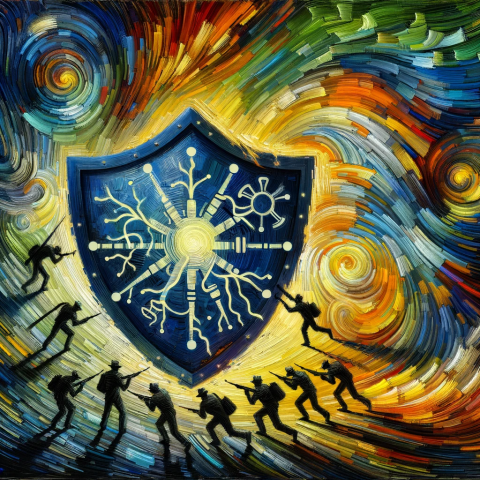
Building a security culture that effectively outsmarts AI threats isn’t just a technical measure—it’s a collective endeavor, deeply embedded in the very fabric of an organization. It starts with each individual, like a single thread weaving itself into a robust tapestry of cybersecurity. When I think about the importance of culture, I remember the craft of shipbuilding. Every plank, every nail matters. A single weak point can spell disaster, just as a single lapse in cybersecurity can compromise an entire system.
Consider the role of trust. In the digital age, where AI technology evolves faster than a skilled craftsman can hone his tools, trust becomes the cornerstone of a resilient culture. It begins with leaders who don’t just dictate policies from the top down but stand alongside their teams, sharing stories of past breaches and near misses. These narratives resonate on a human level, transforming abstract threats into tangible experiences. When employees hear about real incidents—that time a misconfigured server led to a security nightmare—they don’t just understand the risks; they feel them.
Moreover, fostering a security culture goes beyond the buzzwords of the latest cybersecurity protocols. It’s about building an environment where every team member feels like a guardian of the organization’s digital integrity. Training shouldn’t resemble a dull lecture but rather an engaging workshop where each participant can flex their cybersecurity muscles. Use simulations, role-playing, and even gamified scenarios that mirror potential threats. This not only sharpens skills but also reinforces the shared responsibility everyone has in this battle against faceless dangers.
There’s a vital but often overlooked aspect of building this culture: accountability. When employees see how their actions directly impact security, whether it’s following protocols or reporting suspicious behavior, they become conscious participants in safeguarding their digital environment. This accountability is like the navigator on a ship; they must periodically check the compass to ensure they’re on the right course, especially when faced with turbulent waters stirred by AI threats.
It comes down to connection. People need to know they’re not just cogs in a machine; they’re part of a mission. Dialogue should flow freely—a robust discussion about cybersecurity challenges should invite creativity and shared solutions. By fostering this sense of community, organizations not only enhance their defenses but also empower their employees to take an active role in shaping the culture of security.
It’s a journey worth embarking on, one that transforms the workforce from mere operators to vigilant protectors, steering clear of potential cyberstorms—together.

Building Security Cultures That Outsmart AI Threats
Building Security Cultures That Outsmart AI Threats
- Building a security culture is a collective effort embedded in an organization’s fabric.
- Trust is essential; leaders should share stories of past security breaches to humanize risks.
- Fostering a culture goes beyond protocols; every employee should feel like a guardian of digital integrity.
- Engaging training methods, such as workshops and simulations, enhance skill and responsibility.
- Accountability allows employees to see the impact of their actions on security, promoting active participation.
- Encouraging open dialogue fosters creativity and shared solutions in addressing cybersecurity challenges.
- This journey transforms employees into vigilant protectors against potential cyber threats.

Building Security Cultures That Outsmart AI Threats
Table Of Contents
- Building Security Cultures That Outsmart AI Threats
- How Can We Foster Trust In Our Security Protocols?
- What Ethical Dilemmas Arise In AI Security?
- How Does AI Challenge Our Understanding Of Safety?
- What Stories Illustrate the Importance Of Security Culture?
- How Can Leadership Enhance Our Security Awareness?
- What Role Does Community Play In Building Security?
- How Do We Balance Innovation and Security In Ai?
- Conclusion
- Other Resources
- Glossary Of Terms
- Other Questions
- Haiku
- Poem
- Checklist
How Can We Foster Trust In Our Security Protocols?
Trust in our security protocols isn’t just about firewalls and encryption; it’s about people connecting with ideas deeply rooted in shared values and experiences. Just like you’d trust a neighbor who’s always lent a hand, fostering trust in cybersecurity requires more than just technical jargon. It’s about building relationships through transparency, communication, and collective responsibility.
Imagine this: you walk into a bustling café. The aroma of freshly brewed coffee wafts through the air, but what really sets this place apart is the barista. They remember your name, your favorite order, and they take the time to chat about your day. That familiarity sparks trust. In the realm of cybersecurity, we need that same human touch—a commitment to not just securing systems, but to genuinely understand the vulnerabilities and concerns of those we serve.
This is where narrative plays a powerful role. Sharing stories about real breaches and their consequences can resonate on a personal level. When employees hear how a small lapse in judgment led to compromised data, it becomes more than just a statistic. It’s a cautionary tale that encourages vigilance. But we also need to celebrate the victories—like the time a team member noticed something amiss and reported it. These stories create a culture where everyone feels responsible for the collective security.
Ethically speaking, it’s vital to convey the message that cybersecurity is a shared burden. When everyone understands that their actions contribute to the larger picture, it fosters a sense of ownership. We’re all in this together; just like a community rallying to stand guard against a common threat, our approach to cybersecurity should invite participation from every corner of the organization.
Engaging with authority is essential too. When experts behind our protocols share not just what we should do, but why it matters, we build credibility. People want to know that those in charge are not just behind a desk, but are actively involved in understanding the everyday realities of security.
Fostering trust in our security protocols hinges on our ability to connect emotionally, intellectually, and socially. It’s about reinforcing that cybersecurity isn’t something we merely enforce; it’s a culture of care and vigilance that we cultivate. Let’s ignite that belief in every interaction, ensuring that as we secure our digital spaces, we also nurture the trust that forms the foundation of a resilient community. Cybersecurity is ultimately a shared journey, where every individual’s commitment can make all the difference.
How Can We Foster Trust In Our Security Protocols?
How Can We Foster Trust In Our Security Protocols?
- Trust in cybersecurity goes beyond technology; it involves shared values and experiences.
- Building relationships through transparency and communication fosters trust.
- Personal connections, like those with a friendly barista, enhance trust and understanding in cybersecurity.
- Narratives about real breaches and successes create a culture of collective responsibility.
- Cybersecurity is a shared burden, requiring participation and awareness from all members of the organization.
- Authority figures should communicate not just procedures but also their importance to build credibility.
- Creating a culture of care and vigilance reinforces trust and commitment to cybersecurity as a collective journey.

How Can We Foster Trust In Our Security Protocols?
What Ethical Dilemmas Arise In AI Security?
In a world where cybersecurity has taken on a new dimension, the ethical dilemmas surrounding AI security come to the forefront, inviting us to take a hard look in the mirror. Picture this: you walk into a smart home, and with a single command, the lights flicker on, the thermostat adjusts, and every door locks behind you. It’s convenient, thrilling even, until you consider who else might have a key to your digital castle. The trust we place in technology can sometimes feel like a tightrope walk, balancing innovation against the risk of potential misuse.
The heart of the matter lies in the relationship we forge with AI. These systems, designed to learn from us, can sometimes reflect our darker impulses. An ethical conundrum emerges when the data used to train these AI is biased or defective, resulting in systems that may inadvertently perpetuate discrimination or surveillance. Imagine a scenario where an AI is tasked with identifying threats based on previous criminal data. If the past data is skewed, so too will be the judgments made. This becomes not just a technical error but a societal one—a pivotal moment of introspection for us all.
Moving into the arena of rationality, it’s essential to question the magnitude of AI’s authority. We often hand over decision-making power, placing faith in algorithms without fully understanding their workings. This begs the question: at what point do we concede too much control? Trusting an AI to secure our networks may feel like trusting a firefighter to put out a blaze while he’s still juggling fireballs. There’s a fine line between innovation and surrendering our autonomy to unseen hands.
Now, let’s anchor this discussion in personal stories. Consider the average individual who has adopted smart technology. They revel in efficiency, yet one misstep—a data breach—could lead to a flood of personal information spilling into the wild. This isn’t just a loss of convenience; it’s a crisis of confidence, amplifying the voice of those who argue that we must tread carefully.
The conversation shifts when we gather around the societal table. Ethical dilemmas in AI security can serve as a rallying cry—a chance to unite and demand accountability in the tech world. We have the power not only to shape the tools of tomorrow but also to ensure they align with our values. As we navigate this evolving landscape, each of us holds a piece of the puzzle, reinforcing a community of informed individuals ready to address the inevitable tensions that technology brings along.
The challenge is not simply to ask how we can secure our data but to engage deeply in the ethical implications of how we secure our future. Each choice we make reflects our collective commitment to a just, equitable world.

What Ethical Dilemmas Arise In AI Security?
What Ethical Dilemmas Arise In AI Security?
- The rise of AI has introduced significant ethical dilemmas in cybersecurity, prompting self-reflection.
- Smart home technology offers convenience but raises concerns about security and control over personal data.
- AI systems can mirror human biases if trained on flawed data, leading to discriminatory outcomes.
- Trusting AI for decision-making can risk autonomy, questioning how much control we relinquish to algorithms.
- A data breach can severely undermine personal confidence and raise critical issues about tech safety.
- Society must unite to demand accountability in AI ethics to shape future technologies aligned with shared values.
- Engagement with ethical implications of technology is essential for fostering a just and equitable future.

What Ethical Dilemmas Arise In AI Security?
How Does AI Challenge Our Understanding Of Safety?
In our rapidly evolving world, the very notion of safety is facing a seismic shift, primarily due to the advent of artificial intelligence. Picture this: you’re walking down a street, and suddenly, a self-driving car whizzes by. You feel a jolt of unease. Is this machine programmed to prioritize your safety, or is it merely crunching numbers and data points? Herein lies the crux of the challenge: AI operates on algorithms that aren’t just behind the scenes but are now influencing life-and-death decisions, especially in areas like cybersecurity.
Let’s think about it from the perspective of everyday heroes—those who protect us. Policemen, firefighters, and healthcare workers all rely on instinct, experience, and human judgment. Now, consider an AI system designed to analyze crime patterns or predict accidents. While they might offer statistical advantages, they don’t have the heart or the nuanced understanding of human life that comes with real-world experience. When we place our trust in these systems, we risk a vital disconnect. This isn’t merely about technology; it’s about the ethical landscape we inhabit. We must ponder whether we want to entrust our safety to a system that lacks empathy.
What happens when a cyberattack, powered by AI, undoes our safeguards? The very infrastructure of our daily lives, from banking to healthcare, is vulnerable. Imagine the anxiety that courses through us when we know our sensitive data could be sold on the dark web or that our homes could fall prey to digital marauders. This consideration isn’t hypothetical; it’s a reality we’ve already begun to face.
Speaking of connection, consider the community aspect. Technology shouldn’t isolate us; it should bring us together. When AI tools are implemented, we must ensure there’s transparency and a human element involved. Initiatives that involve public discourse and grassroots movements ensure that technology serves the people, not the other way around. We need to foster a safe dialogue, encouraging every voice to be heard in this brave new world.
Lastly, let’s draw on a personal story. Years ago, a friend of mine lost their job due to automation in their field. The feeling of helplessness was palpable. However, they channeled that frustration into action, advocating for policies that prioritize human-centric AI solutions. It demonstrated a powerful truth: safety isn’t just about systems and software; it’s about community and connection.
In this AI-driven future, we must reclaim our safety narrative—one where technology empowers, rather than controls, ensuring that the heart, head, and gut all resonate in harmony.

How Does AI Challenge Our Understanding Of Safety?
How Does AI Challenge Our Understanding Of Safety?
- The concept of safety is undergoing significant changes due to artificial intelligence.
- AI impacts life-and-death decisions, particularly in cybersecurity and daily safety concerns.
- Human protectors like policemen and healthcare workers use experience and judgment, which AI lacks.
- The risk of disconnect arises when trust is placed in AI systems devoid of empathy.
- AI-powered cyberattacks threaten essential infrastructures, leaving data vulnerable.
- Technology should foster community and transparency rather than isolation.
- Advocating for human-centric AI solutions emphasizes the importance of community in ensuring safety.

How Does AI Challenge Our Understanding Of Safety?
What Stories Illustrate the Importance Of Security Culture?
Imagine a small-town bakery, cherished by locals for its warm atmosphere and delicious pastries. One day, the proprietor discovers that a series of cyberattacks have jeopardized not only her recipes but also the personal information of her loyal customers. This incident doesn’t just threaten her business; it strikes at the heart of her community. The essence of cybersecurity extends beyond firewalls and antivirus software; it resides deeply in the culture we cultivate around it.
In today’s interconnected world, a robust security culture acts as a communal shield. It’s about people looking out for one another, just like neighbors lending a hand in a time of need. When staff members are trained to recognize phishing attempts, they grasp their role not merely as cogs in a machine, but as guardians of the trust placed in them. Each employee becomes a link in a security chain, safeguarding the organization and its stakeholders. This transformative mindset fosters a sense of responsibility that resonates emotionally—every click, every password, and every network connection carries a weight of importance that demands attention.
Consider the story of a teacher who, during a routine class project, found that a simple email attachment nearly compromised her students’ sensitive information. Instead of sulking in failure, she turned it into a teachable moment. Her students engaged in discussions about cybersecurity, transforming fear into knowledge. This approach not only empowered them but also created an environment where questioning the norm became the standard. In nurturing a security culture, we elevate awareness from an abstract concept to a lived experience, resonating on ethical and rational levels.
Additionally, let’s talk about authority. When leadership prioritizes security culture by investing in training and transparency, it sets a tone that echoes throughout the organization. This commitment inspires confidence—not just in compliance, but in a shared vision of safety that’s palpable. When leaders practice what they preach, employees feel valued and motivated to uphold those principles.
Ultimately, the message is clear: building a security culture isn’t about running from threats; it’s about creating an environment where everyone feels empowered to contribute to the greater good. Through heartfelt stories, determination, and vulnerability, we can inspire a collective movement rooted in trust and resilience. Cybersecurity isn’t just a technical responsibility; it’s a social imperative that asks us to stand together. Let’s make that connection and be the bulwark of safety our communities deserve.

What Stories Illustrate the Importance Of Security Culture?
What Stories Illustrate the Importance Of Security Culture?
- A small-town bakery faces cyberattacks that threaten its recipes and customer information, impacting the local community.
- Cybersecurity goes beyond technology; it is rooted in the culture cultivated within organizations.
- A strong security culture acts as a communal shield, promoting mutual support among individuals.
- Training staff to recognize threats transforms their roles into that of guardians of trust.
- A teacher used a security scare as a teachable moment, fostering discussions about cybersecurity among students.
- Leadership commitment to security through training and transparency inspires confidence and shared vision within organizations.
- Building a security culture empowers everyone to contribute, making cybersecurity a collective social imperative.

What Stories Illustrate the Importance Of Security Culture?
How Can Leadership Enhance Our Security Awareness?
In today’s world, where every click can lead us into the labyrinth of cybersecurity threats, the role of leadership in enhancing security awareness is more critical than ever. Imagine being on a team where the captain not only knows the plays but also cares deeply about each player’s safety on and off the field. That’s the kind of leadership we need in the realm of cybersecurity.
When leaders step up, they create an environment where security awareness is woven into the fabric of everyday operations. It’s about making everyone feel like they have skin in the game, and not just a set of dry policies to follow. This is where the heart of leadership comes into play. Someone once told me that the best way to teach a lesson is through storytelling. For instance, consider a time when an employee, inspired by a leader’s genuine commitment to security, discovered a potential breach and reported it. That single act not only averted disaster but also sparked a culture of vigilance that rippled through the organization.
Rationally, we know that threats to cybersecurity are not just “IT’s” problem; they are everyone’s concern. Leaders can demystify complex issues, breaking them down into understandable concepts that resonate with everyone, from the receptionist to the C-suite executive. By fostering an inclusive dialogue, they enrich our collective understanding of risks, motivating employees to take ownership of their digital responsibilities. This connects the head to the heart—an informed team is a safer team.
Ethically, leaders have a responsibility not just to protect assets but to cultivate a culture where each team member feels empowered and valued. This commitment to ethical behavior creates trust and an atmosphere where employees feel encouraged to voice concerns. Picture a workplace where everyone looks out for one another, knowing they have support from above. It’s a profound shift that builds loyalty and enhances security.
Let’s not forget the social aspect. A leader’s influence can extend beyond the office walls. When organizations prioritize cybersecurity awareness, they set a precedent within their communities. They become beacons of responsibility, illustrating that security isn’t just a buzzword but a collective mission.
Effective leadership in cybersecurity is about more than mitigating risks; it’s about inspiring a movement where security awareness is instilled not through fear, but through an invigorating sense of purpose. When leaders take the reins, they don’t just keep the wolves at bay; they invite everyone on board—creating a secure environment that resonates in every corner of our professional lives. A well-informed team becomes the strongest defense in the ever-evolving landscape of cybersecurity.

How Can Leadership Enhance Our Security Awareness?
How Can Leadership Enhance Our Security Awareness?
- Leadership is crucial for enhancing cybersecurity awareness in today’s digital landscape.
- Effective leaders create a culture where security awareness is integral to daily operations.
- Storytelling can effectively teach security lessons and inspire vigilance among employees.
- Cybersecurity threats concern everyone, not just the IT department.
- Leaders should simplify complex cybersecurity issues to engage all employees.
- Ethical leadership fosters trust and empowers employees to voice security concerns.
- Organizations prioritizing cybersecurity awareness positively influence their communities.

How Can Leadership Enhance Our Security Awareness?
What Role Does Community Play In Building Security?
In a world teeming with digital pitfalls and unseen threats, the notion of community emerges as a powerful shield. Picture this: a neighborhood where every resident knows their neighbors not just by sight but by story. This connection fosters an environment where everyone feels responsible for one another’s safety—like a digital neighborhood watch against the looming specter of cybersecurity threats.
When you think about security—whether physical or virtual—it often evokes images of solitary warriors: IT experts locked in data centers or police officers patrolling empty streets. But real resilience comes from the collective heartbeat of a community. Consider how your elderly neighbor knows to check in on the family two doors down. Now, transfer that sentiment to the digital realm, where a unified community shares knowledge and strategies to fend off cybercriminals. Just as a well-informed community member recognizes a suspicious vehicle in the driveway, an educated digital citizen can identify phishing scams lurking in their email.
This communal responsibility is not just emotional; it’s deeply rational. Studies show that communities actively engaged in cybersecurity education report significantly fewer security incidents. When individuals understand the risks and threats they face, they become empowered to protect themselves and their loved ones. Each interaction—be it a neighborhood meeting or a local workshop—creates a ripple effect, sowing the seeds of awareness and vigilance.
Ethically, we must ask ourselves: How can we stand idly by when our friends, family, and neighbors lack the tools to secure their digital lives? Sharing knowledge about best practices in cybersecurity isn’t just about protecting your own data; it’s an investment in the wellbeing of our entire social fabric, ensuring that we all rise together. As trusted voices in our communities, we can guide conversations that demystify the complexities of cybersecurity, making them relatable and easily digestible.
Finally, let’s not forget the power of narratives. Remember the storm that knocked out power for days, forcing neighbors to band together for basic needs? That’s community in action. In the same vein, the virtual world faces its own storms, some brewing right now in unseen corners of the internet. By cultivating a culture of proactive cybersecurity—where we share stories about near-misses and successes—we forge connections that extend beyond simple alerts and tips.
Ultimately, building security is not just about technology; it’s about the threads that connect us all. When communities rally around the cause of cybersecurity, they not only protect their borders but also reinforce the foundation of trust that society depends on. Let’s champion this initiative together and make our digital neighborhoods as safe as our physical ones.

What Role Does Community Play In Building Security?
What Role Does Community Play In Building Security?
- Community acts as a protective shield against cybersecurity threats, fostering mutual responsibility.
- Real resilience in security comes from collective community engagement, not just individual efforts.
- Engaged communities report significantly fewer cybersecurity incidents through shared knowledge and strategies.
- Empowerment through education allows individuals to recognize and mitigate risks effectively.
- Collectively sharing best practices in cybersecurity benefits the entire social fabric.
- Narratives of community cooperation in physical emergencies can be mirrored in virtual cybersecurity efforts.
- Building cybersecurity involves strengthening societal trust and reinforcing connections within communities.

What Role Does Community Play In Building Security?
How Do We Balance Innovation and Security In Ai?
How Do We Balance Innovation and Security in AI?
In the world of artificial intelligence, we’re perched on a thrilling precipice. Every day, we witness groundbreaking technologies that can transform lives, streamline processes, and tackle problems previously deemed insurmountable. Yet, with every leap forward, there lies a lurking shadow: the issue of cybersecurity. It reminds us that even the noblest innovations can be exploited, turning visionary tools into potential weapons.
Picture a young entrepreneur in a garage, eyes gleaming with the dream of creating an algorithm that could predict natural disasters. The vision is powerful—lives saved, communities safeguarded—but the reality is sobering. If that same technology falls into the wrong hands, it could lead to misinformation, panic, and chaos. The very essence of innovation becomes a double-edged sword. The key lies not just in the spark of creativity but in the solid foundation of security that must underpin it.
The heart of this balancing act beats in our shared experiences. Remember the palpable anxiety of a data breach? That feeling of vulnerability as you realized your information was no longer secure? It’s a common tale that resonates with everyone. We trust organizations with our data, our lives, and in doing so, we hand over a piece of our humanity. Understanding this is crucial. Cybersecurity is not a distant concern; it is a part of our daily lives, like the air we breathe.
Now, let’s consider the ethical dimension. We must ask ourselves: who benefits from innovation? Is it the few, or can it be the many? As stewards of this technology, we hold a profound responsibility to ensure that AI serves not just a privileged subset of society but uplifts us all. This concern echoes through the halls of tech companies and classrooms where the next generation of innovators and thinkers grows.
The narrative we create around AI is a powerful one. It’s about trust—the kind you instill when you keep your promises and ensure safety. As we foster this new landscape, we must come together as a community. It’s not just about building a firewall; it’s about constructing a culture of accountability where innovation and security work hand in hand.
In this intricate dance, the real innovation is in how we choose to secure our future. Let’s not allow fear to stifle creativity; rather, let’s empower it with robust cybersecurity measures. Together, we can inspire a future where technology not only sparks innovation but also nurtures an unshakeable trust in its promise.

How Do We Balance Innovation and Security In Ai?
How Do We Balance Innovation and Security In Ai?
- Artificial intelligence holds the potential to transform lives and solve significant problems.
- Cybersecurity poses a risk, as innovations can be misused for harmful purposes.
- Technologies like algorithms for predicting natural disasters can create both benefits and dangers.
- Data breaches lead to feelings of vulnerability, highlighting the importance of cybersecurity.
- Ethical considerations demand that AI benefits a wide array of society, not just a privileged few.
- Building a culture of accountability is essential for a balance between innovation and security.
- Robust cybersecurity measures can empower innovation while fostering trust in technology.

How Do We Balance Innovation and Security In Ai?
Conclusion
Building a security culture that effectively outsmarts AI threats involves more than just technical protocols; it’s a shared journey that requires every individual to reside on the frontlines of cybersecurity. Think of it this way: we’re all in a boat together, navigating waters filled with unseen dangers. Each team member plays a vital role, like shipbuilders ensuring the craft can weather a storm. When we weave trust into the fabric of our organization, we cultivate resilience that can withstand the evolving landscape of AI threats.
Picture a workplace where stories are shared—not the impersonal charts and technical jargon, but real-life incidents that tug at the heartstrings. It’s like the intimate conversations you have with a trusted neighbor—everyone feels invested in the outcome. When leaders recount experiences of breaches or close calls, they transform abstract risks into relatable narratives. Employees listening to these tales aren’t just absorbing information; they’re engaging emotionally, feeling the weight of their responsibilities as guardians of shared trust.
Training shouldn’t mirror a dry lecture; rather, it must be an immersive experience. Imagine gamified scenarios that put employees in the shoes of protectors—not just passive recipients of knowledge but active participants honing their skills. When accountability becomes the norm—like checking a ship’s compass—every team member recognizes their direct influence on security. They understand that their vigilance is paramount, much like a community member watching out for a suspicious figure in the neighborhood.
Now, consider the ethical imperative of fostering this culture. It’s about weaving a tapestry of shared values that champions transparency and collaboration. In cultivating a sense of heightened awareness and shared responsibility, we invite everyone to step up. This camaraderie fosters a genuine commitment to securing our digital landscapes, one that transcends fear-driven compliance and instead inspires eager participation.
In the end, it’s not just about protecting data; it’s about creating a mission that everyone resonates with. Let’s embrace this together through open dialogue and relationship-building, transforming our workplaces from isolated areas of individual effort into cohesive communities fortified against AI threats. By doing so, we not only strengthen our defenses but also inspire a culture where we all feel empowered to contribute to the common good—ensuring that the promise of technology serves to unite, rather than divide.

Conclusion
Conclusion:
- Building a security culture against AI threats involves collective effort beyond technical protocols.
- Every individual is crucial, akin to shipbuilders ensuring the organization’s resilience.
- Sharing real-life stories creates emotional connections and enhances the understanding of cybersecurity risks.
- Training should be immersive and engaging, employing gamified scenarios for active participation.
- Accountability is essential; every team member must recognize their role in maintaining security.
- Fostering a culture of shared values, transparency, and collaboration invites proactive engagement from everyone.
- Ultimately, the goal is to empower individuals and create a unified mission to protect digital landscapes.

Conclusion
Other Resources

Other Resources
Here is a list of other resources you can review online to learn more:
- GuardSight Inc.
- CI Security
- CyberProof
- Unisys
- PacStates
- Velo ITG Holdings
- Loop Secure
- GoSecure
- Blackpoint Cyber
- Ready.Gov – Cybersecurity
- Protos Security
- ISSquared
- Ensign InfoSecurity
- IND Corporation
- CYDERES
- Impact Networking
- NexusTek
- Cerberus Sentinel
Use This Prompt To Get More Resources With Your Favorite Online AI Tool: Please provide me with a list of online articles with their URLs in a bulleted list that I can read regarding Building Security Cultures That Outsmart AI Threats

Other Resources
Glossary Terms
Building Security Cultures That Outsmart AI Threats – Glossary Of Terms
1. Access Control: Mechanisms and policies that regulate who can view or use resources in a computing environment.
2. AI Threat: Potential dangers posed by artificial intelligence systems that can be exploited to harm or manipulate individuals or organizations.
3. Algorithms: Step-by-step procedures or formulas for solving problems, often used in AI to process data and make decisions.
4. Anomaly Detection: A process of identifying abnormal patterns that do not conform to expected behavior, crucial for spotting security breaches.
5. Behavioral Analytics: Techniques used to analyze user behavior in order to detect security threats that traditional methods might overlook.
6. Cyber Hygiene: Best practices and habits that ensure the security of digital environments and data.
7. Data Breach: Unauthorized access to sensitive data, resulting in its disclosure, theft, or loss.
8. Deep Learning: A subset of machine learning that uses neural networks with multiple layers to analyze various factors of data.
9. Incident Response: A structured approach to handle and manage the aftermath of a security breach or attack.
10. Machine Learning: A subset of AI that enables systems to learn from data and improve their performance over time without being explicitly programmed.
11. Phishing: A method of attempting to acquire sensitive information by masquerading as a trustworthy entity in electronic communications.
12. Risk Management: The process of identifying, assessing, and mitigating risks to secure assets effectively.
13. Security Awareness Training: Educational programs aimed at informing employees about cyber threats and promoting best security practices.
14. Social Engineering: Psychological manipulation of people to disclose confidential information or perform actions that compromise security.
15. Threat Intelligence: Data collected and analyzed to understand current and potential threats against an organization.
16. Vulnerability Assessment: A systematic examination of an information system to identify security weaknesses that could be exploited.
17. Zero-day Exploit: An attack targeting a previously unknown vulnerability in software or hardware, where no fix is available.
18. User Authentication: The process of verifying the identity of a user before granting access to resources.
19. Intrusion Detection System (IDS): A device or software application that monitors networks or systems for malicious activities or policy violations.
20. Encryption: The process of encoding data to prevent unauthorized access, ensuring confidentiality during storage or transmission.
21. Multi-factor Authentication (MFA): A security mechanism that requires more than one method of verification from users to gain access to a system.
22. Botnet: A network of infected devices controlled remotely to launch distributed denial-of-service (DDoS) attacks or deliver malware.
23. Digital Forensics: The process of collecting, preserving, and analyzing digital evidence during an investigation of cyber incidents.
24. Firewall: A network security device that monitors and controls incoming and outgoing network traffic based on predetermined security rules.
25. Privileged Access Management (PAM): Strategies and technologies for managing and monitoring accounts that have elevated access rights.
26. Supply Chain Security: Protecting the integrity and security of data and assets within the supply chain process.
27. Secure Coding Practices: Guidelines to improve the security of software by addressing coding flaws that could lead to vulnerabilities.
28. Incident Management: The process of identifying, analyzing, and responding to security events to minimize impact and restore services.
29. Cyber Resilience: The ability of an organization to prepare for, respond to, and recover from cyber incidents.
30. Artificial Intelligence Ethics: A field that examines the moral implications and responsibilities associated with the development and deployment of AI technologies.

Glossary Of Terms
Other Questions
Building Security Cultures That Outsmart AI Threats – Other Questions
If you wish to explore and discover more, consider looking for answers to these questions:
- What concrete behaviors and practices indicate a strong security culture?
- How can we measure the effectiveness of our security culture (metrics and KPIs)?
- Which training formats (simulations, role-play, gamification) produce the best long-term behavior change?
- How often should security training and simulations be repeated?
- What specific AI-related threat vectors should employees understand (prompt injection, data poisoning, model theft, adversarial examples)?
- How do we detect AI-driven attacks or anomalous model behavior in production?
- What governance policies and oversight are required for internal and third-party AI systems?
- Who is accountable for AI security decisions—CISO, product owners, ML engineers, or a cross-functional board?
- How do we integrate AI risk into our existing enterprise risk management framework?
- What controls should protect training data, validation data, and model artifacts?
- How do we assess and mitigate bias, fairness, and ethical harms in AI models?
- What procurement and vendor-assessment checks should we use when buying AI tools or platforms?
- How do we balance innovation speed with security and compliance requirements?
- What technical practices should be added to MLOps/DevOps pipelines to improve AI security (code review, model validation, CI/CD gating)?
- How can leadership secure budget and organizational buy-in for security culture initiatives?
- How do we scale a security culture across distributed and remote teams?
- How do we engage non-technical staff and make security relevant to their daily work?
- What incident-response playbooks should cover AI-specific incidents and who participates in them?
- How should we run tabletop exercises that include AI compromise scenarios?
- What monitoring and logging capabilities are necessary to audit model usage and detect misuse?
- What privacy and data-protection regulations (e.g., GDPR, CCPA) affect our AI deployments and how do we comply?
- How do we ensure explainability and transparency of AI decisions for users and regulators?
- What access controls and secret-management practices are required for model endpoints and training pipelines?
- How do we securely decommission or retire models and datasets?
- What are the best practices for safe model fine-tuning and dataset updates?
- How do we validate third-party models and APIs for safety and provenance?
- What incentives, recognition, or accountability mechanisms encourage secure behavior across the organization?
- How should communications be handled after a security incident involving AI (customers, regulators, media)?
- What tools, services, or frameworks can help small and medium organizations improve AI security?
- How do we build cross-functional AI security teams that include legal, ethics, product, and engineering?
- What are the expected costs and measurable ROI of investing in a security-first culture for AI?
- How can we foster external community partnerships around threat intelligence, responsible disclosure, and shared learning?
- What ethical review or governance processes should be in place before deploying high-risk AI systems?
- How do we handle employee reporting of suspicious AI behavior while protecting whistleblowers?

Other Questions
Haiku
Building Security Cultures That Outsmart AI Threats – A Haiku
Threads of trust weave strong,
Cultures guard against the storm,
In unity, we thrive.

Haiku
Poem
Building Security Cultures That Outsmart AI Threats – A Poem
In a world where shadows loom,
Cyber threats weave a tale of doom,
Yet within our hands lies the power,
To build a culture that will empower.
Like threads in a tapestry, strong and tight,
Each person, a guardian, ready to fight.
Trust binds us in this digital sphere,
Where stories of breaches ignite our fear.
Leaders who connect, inspire the team,
Crafting narratives that challenge the dream.
With every misstep, a lesson learned,
In a culture of vigilance, our passion burned.
Accountability shapes our shared fate,
As we stand united, we nurture and create.
A community that shares, learns, and grows,
Sowing seeds of security, a future that glows.
Ethical dilemmas arise in the fray,
As AI demands a price to pay.
We balance the scales of innovation and care,
Fostering trust in a world stripped bare.
Together we journey through cyber’s vast sea,
Empowered by knowledge, proud and free.
For in understanding, we bravely tread,
Building a fortress—leading ahead.

Poem
Checklist
Building Security Cultures That Outsmart AI Threats – A Checklist
Emotional Engagement
✅______ Share stories that illustrate past cyber incidents and their impact on the organization and community.
✅______ Celebrate successful security initiatives and recognize employee contributions to cybersecurity.
Rational Understanding
✅______ Provide clear explanations of security protocols and their importance.
✅______ Offer workshops that break down complex cybersecurity concepts into relatable scenarios.
Ethical Responsibility
✅______ Foster a culture where every employee understands their role in cybersecurity.
✅______ Encourage discussions on the ethical implications of AI technology and its impact on security.
Authority and Credibility
✅______ Involve cybersecurity experts in training and security meetings to lend credibility.
✅______ Ensure leadership visibly supports and prioritizes security measures and initiatives.
Narrative Development
✅______ Create a collection of narratives around personal experiences with cybersecurity to personalize the issue.
✅______ Use these stories in training sessions to make the topic more relatable and memorable.
Social Connection
✅______ Promote teamwork through collaborative security drills and simulations.
✅______ Establish a community of practice where employees share insights and strategies to improve cybersecurity.
Accountability and Ownership
✅______ Implement a system where every employee can report security issues and feels empowered to act.
✅______ Encourage a buddy system for sharing knowledge and accountability in monitoring security practices.
Continuous Learning
✅______ Provide ongoing training sessions and updates on the latest cybersecurity threats and technologies.
✅______ Use gamification techniques in training to make learning about security engaging and fun.
Trust Building
✅______ Foster a transparent communication culture about security practices and breaches.
✅______ Encourage open discussions about concerns employees have regarding security policies.
Community Engagement
✅______ Organize community outreach programs focusing on cybersecurity education for local groups.
✅______ Create partnerships with other organizations to share best practices in building a resilient security culture.

Checklist
At BestCyberSecurityNews, we help teach entrepreneurs and solopreneurs the basics of cybersecurity and its impact on their businesses by using simple concepts to explain difficult challenges.
Please read and share any of the articles you find here on BestCyberSecurityNews with your friends, family, and business associates.