


Empowering Your Digital Safety: Defend What Matters Most.
By Tom Seest
At BestCyberSecurityNews, we help teach entrepreneurs and solopreneurs the basics of cybersecurity and its impact on their businesses by using simple concepts to explain difficult challenges.
Please read and share any of the articles you find here on BestCyberSecurityNews with your friends, family, and business associates.
AI-Powered Protection for Apis, Containers, and Serverless
In a world driven by technology, the stakes in cybersecurity have never been higher. Every day, APIs, containers, and serverless infrastructures are the backbone of innovation, enabling businesses to operate smoothly and efficiently. But lurking behind this digital marvel are threats that can disrupt everything from small startups to sprawling enterprises. It’s not just lines of code we’re protecting; it’s the dreams, aspirations, and hard work of countless individuals.
Imagine a bustling café filled with the aroma of freshly brewed coffee. Each table represents a different API, a unique connection facilitating interactions. Now, picture a shadowy figure slipping into that café, ready to siphon off information, derail transactions, and shatter the sense of safety. That’s the reality we face in the age of cyber threats. This isn’t just about securing a few lines of code; it’s about safeguarding a narrative—a story of trust between businesses and their customers.
When we talk about empowering our defenses, think of it like nurturing a garden. Cybersecurity solutions must cultivate a rich, strategic environment where APIs can thrive without fear. Just as the gardener knows the right mix of nutrients and timing, we must leverage AI to predict, identify, and neutralize potential threats. This isn’t simply a calculation; it’s a commitment to ethical responsibility. We’re not just securing systems; we’re honoring the relationships that tech enables.
The fusion of AI with protective measures transforms how we approach security. It’s akin to having a vigilant neighbor watching over your home. This neighbor knows the area, understands threats, and, when necessary, takes action before trouble can strike. AI-powered protection doesn’t just react; it anticipates, learns, and adapts. This capability can be the difference between a security breach that compromises user data and a seamless transaction that strengthens trust.
As we navigate this complex digital landscape, it’s essential to recognize that cybersecurity isn’t merely a technical issue; it’s a societal one. Businesses have a duty to foster environments where customers feel secure engaging with technology. The narrative we weave around our defenses matters. By investing in AI-driven solutions for APIs, containers, and serverless platforms, we’re not just preserving profits; we’re protecting futures, building connections, and championing a resilient digital community.
When we engage with cybersecurity from this holistic standpoint, we remind ourselves that every line of code and every serverless function is part of a larger story—a story that deserves protection, advocacy, and respect.

AI-Powered Protection for Apis, Containers, and Serverless
AI-Powered Protection for Apis, Containers, and Serverless
- The significance of cybersecurity has increased due to the reliance on technology, including APIs, containers, and serverless infrastructures.
- Cyber threats pose risks to businesses of all sizes, affecting the aspirations and hard work of individuals.
- Effective cybersecurity must secure narratives of trust between businesses and customers.
- Cybersecurity strategies should cultivate a safe environment for technology to thrive, similar to nurturing a garden.
- AI enhances cybersecurity by predicting and neutralizing threats before they occur, transforming our approach to security.
- Cybersecurity is a societal issue, requiring businesses to create secure spaces for customer engagement with technology.
- Investing in AI-driven security solutions protects businesses while fostering a resilient digital community.

AI-Powered Protection for Apis, Containers, and Serverless
Table Of Contents
- AI-Powered Protection for Apis, Containers, and Serverless
- What Are the Risks Of Api Vulnerabilities to Your Business?
- How Can You Ensure Data Integrity with Serverless Architectures?
- What Are the Best Practices for Securing Containerized Applications?
- How Can AI Enhance Threat Detection In Real-Time Environments?
- What Are the Social Implications Of AI In Cybersecurity?
- How Does the Integration Of AI Tools Affect Compliance Standards?
- What Narratives Can Underscore the Importance Of Api Security?
- Conclusion
- Other Resources
- Glossary Of Terms
- Other Questions
- Haiku
- Poem
- Checklist
What Are the Risks Of Api Vulnerabilities to Your Business?
What Are the Risks of API Vulnerabilities to Your Business?
In the whirlwind of technological advancement, every click and keystroke carries the weight of potential risk. For businesses relying on APIs, the stakes rise significantly. Imagine your company as a bustling harbor, where merchants trade goods with trust and transparency. Now picture a rogue wave crashing through, devastating everything in its path. That wave? API vulnerabilities.
When we talk about cybersecurity, we’re not just discussing lines of code; we’re exploring the lifeblood of our operations. An API breach can feel like a trusted partner suddenly turning against you, exposing sensitive data and eroding customer trust. A single vulnerability can cascade into a major catastrophe, tarnishing your reputation and, worse, creating a breach of the ethical responsibilities you hold to your clients. Every time a hacker exploits a weakness, it’s not just a statistic; it’s a story—a real person, perhaps a small business owner, losing sleep over the safety of their customers.
The rational mind understands the consequences: downtime, lost revenue, legal ramifications. When we factor in the cost of repairing a damaged brand, it becomes even clearer. The numbers tell a stark story; companies with compromised APIs can lose millions. Yet, it’s the gut response that keeps executives awake at night. The fear of what could happen, of betraying customer trust, is a powerful motivator.
Drawing from personal experiences, many understand the struggle of building relationships over time, only to see them vanish with a single act of negligence. Consider the analogy of a beautiful garden—when you neglect the weeds, they quickly take over, suffocating the once-thriving flowers of your business. The gardener isn’t just fighting nature; they’re fighting against years of growth and investment.
In this interconnected digital age, where a single vulnerability can echo across networks, the collective responsibility is profound. It extends beyond mere compliance; it’s about forging connections based on trust and transparency. It’s about fostering a culture of vigilance within your organization, where every team member understands that cybersecurity isn’t just an IT concern—it’s a shared commitment to everyone involved.
So, to move forward, we must not just react; we must inspire action. Empower your team with knowledge, engage in constant vigilance, and recognize that API security is not an endpoint but an ongoing journey. The risks are documented, the statistics are alarming, but the heart of the matter remains simple: We protect our business not just to safeguard ourselves but to uphold the trust and investment of those who believe in us.

What Are the Risks Of Api Vulnerabilities to Your Business?
What Are the Risks Of Api Vulnerabilities to Your Business?
- APIs are essential for business operations but pose significant risks if vulnerabilities exist.
- An API breach can lead to exposure of sensitive data and loss of customer trust.
- Consequences of a vulnerability include downtime, revenue loss, and legal implications.
- Companies with compromised APIs can incur significant financial losses.
- Building and maintaining customer relationships requires ongoing vigilance and commitment to cybersecurity.
- API security is a shared responsibility across the organization, not just an IT concern.
- Businesses must empower teams, engage in proactive security measures, and recognize API security as an ongoing process.

What Are the Risks Of Api Vulnerabilities to Your Business?
How Can You Ensure Data Integrity with Serverless Architectures?
In the ever-evolving landscape of technology, where the promise of serverless architectures shines bright, ensuring data integrity becomes a paramount concern. Picture a bustling farmer’s market, stalls brimming with vibrant produce. The trust between farmers and consumers builds not just on the quality of the goods but also on the transparency of their journey from farm to table. Similarly, in the realm of data integrity, the relationship with your users hinges on how well you protect the information they entrust to you.
Imagine you own a digital marketplace. Each transaction, like a carefully picked apple, needs to be safeguarded. Cybersecurity is the vigilant farmer, ensuring that every byte remains untainted by the external pests of data breaches and manipulation. The first step in this journey is to embrace the principles of robust encryption. Just as farmers cover their crops to prevent exposure to the elements, utilize end-to-end encryption to shield your data while it travels through the digital ether. This not only secures user information but builds a narrative of safety that customers can relate to.
Next, consider the human element. Engage with your users. Encourage them to share their experiences. Tailor your security measures by listening to their concerns and making adjustments based on their feedback. This approach strengthens the emotional connection, similar to how a farmer knows their repeat customers and tailors offerings to their preferences. When your audience feels heard, trust flourishes.
Now, envision a scenario where a significant data breach occurs. The aftermath often leads to a crisis of confidence. Here’s where transparency plays a pivotal role. Share the challenges candidly with your audience. Just as an ethical farmer would explain a crop failure, publicly acknowledge data incidents and outline steps taken to rectify them. This integrity fosters a culture of accountability that resonates well with users, encouraging them to stand by you in turbulent times.
Many businesses underestimate the value of engaging with their community. Establish a proactive approach by collaborating with cybersecurity experts and thought leaders. This partnership offers insights that refine your security measures, ensuring that your architecture is not only resilient but also innovative. Just as a farmer may seek advice from agricultural experts, businesses must tap into the authority of specialized knowledge.
In a world where technology is ever-present, remember: safeguarding data isn’t merely about defense; it’s about building a foundation of trust. By ensuring robust cybersecurity, nurturing relationships with users, and embracing transparency, you create a space where connections thrive, and data integrity is a shared commitment. When you deliver not just products but peace of mind, you cultivate loyalty that sustains your marketplace, much like a trusted farmer year after year.

How Can You Ensure Data Integrity with Serverless Architectures?
How Can You Ensure Data Integrity with Serverless Architectures?
- Data integrity is crucial in serverless architectures, akin to trust at a farmer’s market.
- Cybersecurity measures, like robust encryption, protect data during transactions.
- User engagement is essential; listening to feedback fosters trust and loyalty.
- Transparency during data breaches is vital for maintaining confidence with users.
- Collaborating with cybersecurity experts enhances security measures and innovation.
- Safeguarding data builds a foundation of trust, essential for customer relationships.
- Providing peace of mind creates loyal customers, similar to a trusted farmer.

How Can You Ensure Data Integrity with Serverless Architectures?
What Are the Best Practices for Securing Containerized Applications?
Think of containerized applications as a bustling marketplace, vibrant with the energy of innovation. Each container is a stall, selling a unique product, yet all are vulnerable to the shrewd eyes of thieves. To protect this marketplace, we need more than just barriers; we need a vigilant community, a culture rooted in the shared understanding of cybersecurity.
Start by embracing a culture of continuous learning. Just as artisans refine their skills with each season, developers must adapt to the ever-evolving landscape of threats. Encourage teams to share their experiences, much like tradespeople swapping tips in the back alleys of industry fairs. When you foster an environment where knowledge flows freely, not only do you create a safety net, but you also cultivate a community of trust.
Next, consider the power of automation in security processes. Imagine you’re at the heart of that marketplace, and the chatter around you inadvertently reveals vulnerabilities. Automated security measures can act like vigilant guards, tirelessly watching for suspicious activities. By integrating continuous scanning and monitoring into your development lifecycle, you ensure that any potential breach is caught early. This proactive stance instills confidence in your applications, reinforcing trust among your users.
Now, let’s talk about identity and access management. Picture a gated community where everyone knows who belongs. In the digital world of containerized applications, ensuring that only the right people have access is paramount. Implement role-based access control, much like assigning keys only to trusted residents. This not only improves security but also promotes accountability. If we entrust everyone with keys to our marketplace without discretion, chaos ensues.
Here’s an original thought: Take a page from the artisans who personalize their goods. Tailor your security practices to the specific needs of your applications. Instead of a one-size-fits-all approach, perform a detailed risk assessment for each container, because each stall has different products and vulnerabilities. Engage your developers in crafting unique security protocols that resonate with the essence of what they’re building, weaving their expertise into the security fabric of your applications.
Finally, think of cybersecurity not as a daunting set of rules but as a shared ethos. Just like stories passed down through generations, create an ongoing narrative within your organization about the importance of safeguarding your digital marketplace. Inspire your team to take ownership, knowing that their actions directly impact the trust and safety of your entire community. When security becomes part of your culture, it transforms from a chore into a commitment—a promise to protect what you’ve built together.

What Are the Best Practices for Securing Containerized Applications?
What Are the Best Practices for Securing Containerized Applications?
- Containerized applications resemble a bustling marketplace, with each container as a unique stall vulnerable to threats.
- Emphasize a culture of continuous learning among developers to adapt to evolving cybersecurity threats.
- Encourage knowledge sharing within teams to foster a community of trust and security awareness.
- Utilize automation in security processes for continuous scanning and monitoring to detect vulnerabilities early.
- Implement role-based access control to manage identity and access, ensuring only authorized individuals gain access.
- Tailor security practices to the specific needs of each application through detailed risk assessments.
- Promote cybersecurity as a shared ethos, creating an organization-wide narrative on the importance of safeguarding digital assets.

What Are the Best Practices for Securing Containerized Applications?
How Can AI Enhance Threat Detection In Real-Time Environments?
Picture this: a bustling city, alive with energy. Every day, millions of interactions happen, from commutes to café conversations—all this connectivity is what we cherish. Yet, lurking within this vibrant tapestry are potential threats. This is where AI steps in, navigating through a digital forest of data, keeping a watchful eye on our security while we live our lives.
Cybersecurity has become an essential part of our daily existence, akin to the guardian angels of our online world. AI enhances threat detection by operating at lightning speed, processing vast amounts of information, and detecting anomalies that the human eye might miss. Consider it a highly trained dog scanning a crowd, effortlessly picking up on the subtle cues that indicate something isn’t right.
One night, I was at a local event when I overheard a conversation about how AI once detected a cybersecurity breach in the blink of an eye. A company’s network was under siege, with an eager hacker trying to slip through the cracks. Traditional methods could have taken hours to respond, but the AI algorithm spotted unusual patterns and alerted the security team in real-time. They acted swiftly and mitigated the breach, protecting not only the company’s assets but also the personal information of thousands. This critical moment underscored the principle that while we embrace technology, there needs to be a responsible hand guiding it. Trust and ethics play a pivotal role in this dynamic; after all, we must ensure that the guardians remain vigilant and responsible.
Empathy in cybersecurity is crucial. When a data breach occurs, it’s not just a statistic; it’s the loss of trust, privacy, and peace of mind for individuals. AI can enhance the human element by alerting organizations to potential threats before they escalate. Imagine knowing that your personal data is cocooned by a robust system, monitored not just by machines but with an understanding of what is at stake.
Moreover, AI’s ability to analyze patterns and learn over time can engage communities in new ways. It can turn passive recipients of safety into active participants, fostering a social fabric that prioritizes vigilance and accountability. As we collaborate with AI in real-time threat detection, we become stewards of our own security, ultimately crafting a safer digital environment for everyone. In this rapidly evolving landscape, the partnership between humans and AI is not just beneficial; it’s essential for a secure future in an interconnected world.

How Can AI Enhance Threat Detection In Real-Time Environments?
How Can AI Enhance Threat Detection In Real-Time Environments?
- The bustling city symbolizes connectivity with millions of daily interactions.
- AI plays a crucial role in cybersecurity, enhancing threat detection and anomaly recognition.
- Real-time AI responses can mitigate breaches faster than traditional methods.
- Trust and ethics are essential in guiding technology for security.
- Data breaches impact individuals beyond statistics, affecting privacy and trust.
- AI fosters community engagement by transforming users into active participants in cybersecurity.
- The partnership between humans and AI is vital for creating a secure digital future.
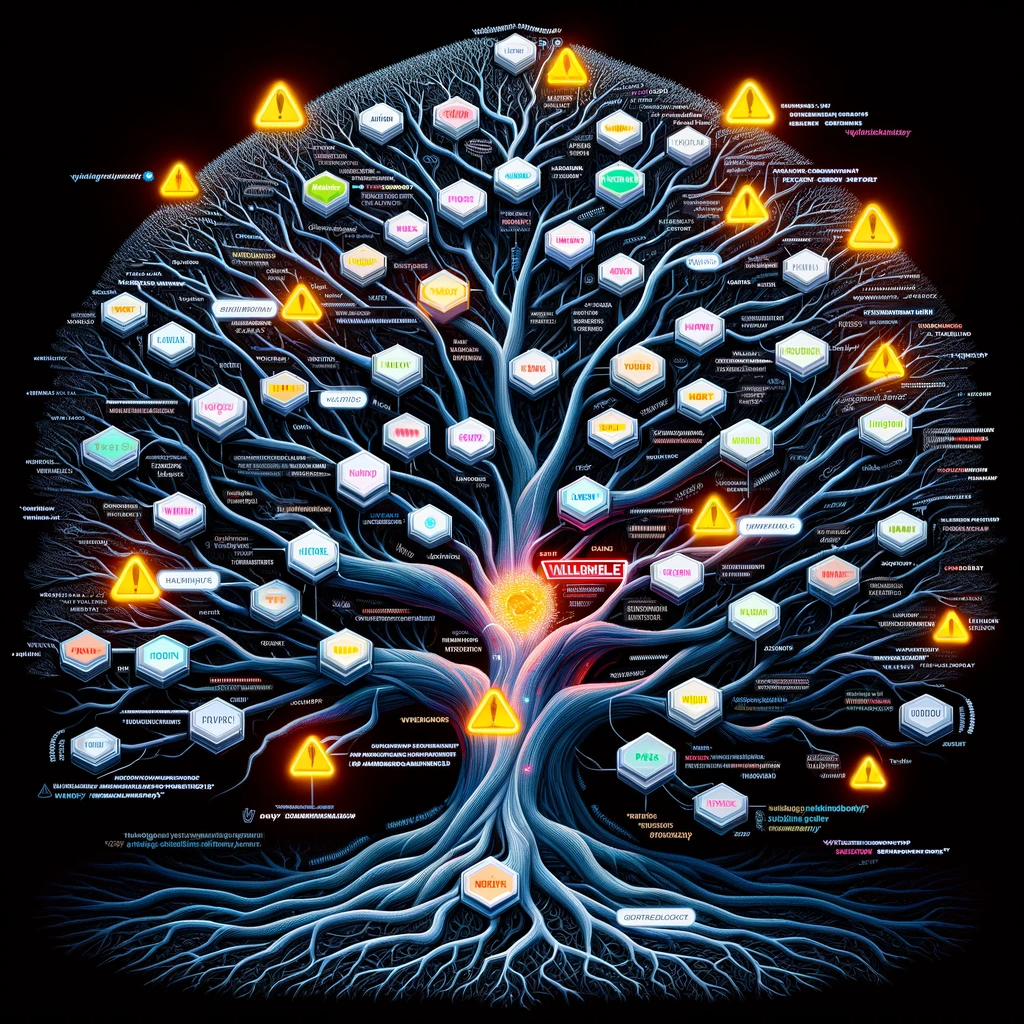
How Can AI Enhance Threat Detection In Real-Time Environments?
What Are the Social Implications Of AI In Cybersecurity?
In today’s interconnected world, the landscape of cybersecurity is evolving faster than many of us can keep up with. At the heart of this transformation lies artificial intelligence, a powerful force shaping how we protect our personal and professional lives from threats both big and small. As we welcome AI into the realm of cybersecurity, it’s crucial to consider not just the technology itself but the fabric of our society that it impacts.
Imagine a small business owner, Jane, who tirelessly devotes her time and resources to building her dream. One day, she wakes up to find her digital storefront has been compromised; customer data exposed, trust shattered. The human toll of this incident isn’t just numbers on a spreadsheet—it’s real lives affected, relationships strained, and communities shaken. This is where AI steps in. It offers tools that can identify anomalies, learning from threats in real-time, protecting not just Jane’s livelihood but also the relationships she built over the years. However, while AI can shield us from these threats, it also provokes questions that resonate deep within our collective conscience.
Do we lose something fundamental when algorithms take the lead in our defense? The promise of cybersecurity powered by AI can feel like a double-edged sword. On one side, there’s the assurance of swift action against cyber threats, a calculated response that looks at data patterns instead of relying solely on human intervention. But on the other, we must wrestle with our dependency on technology. What does it mean for our ethical responsibility when we hand over our defense mechanisms to machines? Our intrinsic human instincts—our ability to empathize, intuit, and connect—are at risk of being overshadowed by lines of code.
Additionally, consider the ripple effects on our society. As AI improves, so too does the sophistication of cyber attacks, challenging the idea that technology always serves us. Vulnerable communities, disproportionately affected by cyber incidents, face a new kind of inequality. The ability to recover is often tied to access to resources—something many lack. Therefore, we must champion an inclusive approach to cybersecurity that prioritizes not just advanced technology, but an ethical framework grounded in social responsibility.
In this transformative era, we all hold a stake. Every business, every individual is part of this digital tapestry. It’s about creating environments where we feel secure and sophisticated, yet still connected to our humanity. The conversation about AI in cybersecurity should inspire us to act—not out of fear, but propelled by trust in each other and our collective courage to navigate these changes together. The narrative is ours to write, and it’s one that should emphasize resilience, inclusivity, and hope.

What Are the Social Implications Of AI In Cybersecurity?
What Are the Social Implications Of AI In Cybersecurity?
- The cybersecurity landscape is rapidly evolving, influenced significantly by artificial intelligence.
- AI tools can protect businesses from cyber threats by identifying anomalies and learning from real-time data.
- Cyber incidents have a real human toll, affecting lives and community trust, exemplified by the story of a small business owner.
- AI in cybersecurity raises ethical questions about dependency on technology and the loss of human instincts.
- The sophistication of cyber attacks grows alongside AI, affecting vulnerable communities more severely.
- An inclusive approach to cybersecurity should prioritize ethical responsibility alongside technological advancement.
- Collective action and trust are essential for navigating the changes brought by AI in cybersecurity, emphasizing resilience and hope.

What Are the Social Implications Of AI In Cybersecurity?
How Does the Integration Of AI Tools Affect Compliance Standards?
In today’s fast-paced landscape, the integration of AI tools into compliance standards is not just a technological leap; it’s a profound shift that touches every facet of our lives. Imagine walking into a bustling factory, the hum of machinery replaced by the soft whir of intelligent systems keeping watch. This is the new frontier of compliance, where the guardians of standards are not just humans but sophisticated AI that can process data at lightning speed, identifying irregularities that the human eye might overlook.
Consider a small business owner, Lucy, who once spent sleepless nights worrying about compliance with ever-changing regulations. The weight of ensuring her cybersecurity measures were robust enough to protect her customers was immense. Enter AI. With tools that monitor and adapt to threats in real time, Lucy can now rest easier, knowing her business is equipped with cutting-edge defenses. It’s not just about compliance; it’s about peace of mind, about knowing that the heart of her operation is secure.
Yet, this integration isn’t just a technological upgrade; it evokes a sense of responsibility. There’s an ethical dimension to consider. As we lean on algorithms to safeguard our data, we must also ensure that we’re holding those systems accountable. Trust isn’t merely handed over; it’s earned, and every decision we make concerning AI must weigh the risks against the necessity of compliance. It’s not sufficient to have the latest tools; those tools must be guided by principles, oversight, and an unwavering commitment to ethical standards.
Imagine a future where compliance isn’t a checkbox on a form but a dynamic, living process powered by collaboration between humans and AI. This isn’t merely a pipe dream; it’s a reality emerging right before our eyes. The relationship nurtured between human intuition and machine precision fosters an environment where compliance is not just followed but embraced. As we share our experiences in this evolving landscape, we build a community rooted in trust, resilience, and proactive engagement.
Every time regulations evolve, we face a choice: adapt or falter. The integration of AI tools into compliance standards isn’t just about keeping pace; it’s about leading the way. Together, by understanding these technologies and forging a partnership with them, we cultivate an environment where cybersecurity thrives, ensuring that every individual, business, and community can flourish without the shadow of doubt lurking over their heads. It’s time to step forward, embrace this change, and make compliance a shared journey, guided by innovation and human integrity.

How Does the Integration Of AI Tools Affect Compliance Standards?
How Does the Integration Of AI Tools Affect Compliance Standards?
- Integration of AI tools into compliance standards signifies a profound shift affecting all aspects of life.
- AI enhances compliance by processing data rapidly and identifying irregularities beyond human capability.
- Business owners like Lucy benefit from AI by gaining peace of mind regarding cybersecurity and compliance.
- There’s an ethical responsibility in using AI, requiring accountability and trust in systems and their decision-making.
- The future of compliance will be dynamic, relying on collaboration between humans and AI.
- Embracing AI in compliance encourages a proactive community focused on trust and resilience.
- Adapting to regulatory changes with AI tools positions businesses as leaders in compliance and cybersecurity.

How Does the Integration Of AI Tools Affect Compliance Standards?
What Narratives Can Underscore the Importance Of Api Security?
What Narratives Can Underscore the Importance Of API Security?
In a world pulsing with information, where data flows faster than the speed of light, the unsung heroes of cybersecurity are the APIs—those invisible lifelines connecting different software systems. Imagine a bustling city where roads lead to every part of town, carrying vital goods and services. Now, picture those roads crumbling, with dangerous potholes and heavy traffic. The city isn’t just less efficient; it’s unsafe. API security is that infrastructure we often overlook until something goes wrong.
Consider the story of a small startup that experienced a devastating data breach because they failed to secure their API. They were ambitious, brimming with innovation and promise. Yet, in their rush to launch, they neglected the very backbone of their digital operations. One night, their system was infiltrated, leaving them with empty accounts, shattered trust, and a tarnished reputation. This narrative illustrates the chilling consequences of underestimating the significance of API security. It’s not just technology at stake; it’s livelihoods, dreams, and the hard work of every employee who believed in a vision.
The gut-wrenching reality is that we live in an age where every interaction leaves a digital footprint, a moment captured, vulnerable to exploitation. Every consumer who clicks “I accept” on a privacy policy should feel empowered, not scared. API security assures them their data is sheltered, their privacy respected. This is not just an IT concern; it’s a deep ethical obligation to protect users in our interconnected world.
Rationally, we know that with every breach, the repercussions can be monumental—fines, loss of customer faith, and a tarnished brand image. Companies face sleepless nights, not just from the financial impact but from the moral weight of their decisions. An organization’s commitment to genuine security can distinguish it in a crowded marketplace. It’s a catalyst for trust.
On a social level, API security is about community. When organizations prioritize cybersecurity, they foster environments where innovation thrives without fear, where collaboration can happen smoothly, and where individuals feel safe to share their ideas. It’s an invitation to participate—trust grows where security is woven into the fabric of our digital lives.
Ultimately, the narrative isn’t just about avoiding threats; it’s about building a culture that values transparency, responsibility, and resilience. API security isn’t just a checkbox—it’s an essential commitment to a secure future for businesses and consumers alike.
What Narratives Can Underscore the Importance Of Api Security?
What Narratives Can Underscore the Importance Of Api Security?
- APIs serve as essential connectors for software systems, akin to city infrastructure vital for efficiency and safety.
- A narrative of a startup illustrates the severe consequences of neglecting API security, resulting in data breaches and damaged reputations.
- Every online interaction creates a digital footprint, making API security crucial for protecting user data and privacy.
- Failing to implement robust API security can lead to significant repercussions, including financial loss and diminished customer trust.
- API security enhances organizational trust, standing out in competitive markets as a commitment to genuine safety.
- Prioritizing cybersecurity fosters a collaborative community where innovation can thrive without fear.
- A strong API security posture reflects a commitment to transparency, responsibility, and resilience in the digital landscape.

What Narratives Can Underscore the Importance Of Api Security?
Conclusion
In our rapidly advancing technological landscape, the importance of robust cybersecurity cannot be overstated. With APIs, containers, and serverless architectures serving as the backbone of today’s digital operations, protecting these integral components has transformed from a tech issue into a profound responsibility. This isn’t merely about safeguarding bits and bytes; it’s about defending the dreams, endeavors, and hard work of individuals and businesses. Each API is akin to a bustling café table where conversations flow—yet a lurking threat can disrupt this harmony in an instant, undermining the trust built over years.
Imagine cybersecurity as the vigilant gardener, meticulously nurturing a garden where innovation can flourish. By leveraging AI to enhance our defenses, we cultivate an environment where technology thrives, securing not just systems, but the stories and relationships they represent. The AI-driven approach to cybersecurity anticipates threats before they materialize, much like a watchful neighbor who knows the rhythms of the community and can take action before trouble strikes. This sense of protection is crucial, providing peace of mind to users who interact with technologies daily.
Furthermore, think of cybersecurity as a community-wide commitment. Just as in a marketplace where trust is the currency, organizations must work together to create secure environments. Every employee should feel empowered to uphold security measures—after all, we safeguard not just our interests but also those of our clients. Each breach tells a story, not just about lost data but the real-world implications for individuals and businesses caught in the crossfire.
Beyond urgency and fear, this is also about ethics and societal obligation. The digital realm is interwoven with our social fabric, demanding that we cultivate transparency and accountability. By investing in AI solutions, we’re not just checking off compliance boxes; we’re actively participating in shaping a resilient digital future.
As we navigate this shared journey, understanding that cybersecurity is a collective endeavor fosters connections rooted in trust. Protecting our digital landscape requires collaboration, empathy, and the acknowledgment that we are all part of something larger. It’s time to embrace the challenge, unified in our mission to secure what matters most. Together, we can build a future where safety and innovation coexist harmoniously, creating vibrant communities that thrive without fear.

Conclusion
Conclusion:
- Robust cybersecurity is essential in today’s digital operations, driven by APIs, containers, and serverless architectures.
- Protecting digital components goes beyond technology, encompassing the protection of individuals’ and businesses’ aspirations.
- Cybersecurity is likened to a vigilant gardener, fostering innovation while utilizing AI to predict and mitigate threats.
- Employees should feel empowered to uphold security measures, ensuring protection extends beyond organization to clients.
- The urgency of cybersecurity involves ethical responsibility and societal obligation, promoting transparency and accountability.
- Collaboration and empathy are crucial for fostering trust and a resilient digital future as a collective effort.
- Embracing the challenge of cybersecurity can lead to harmonious coexistence of safety and innovation, nurturing vibrant communities.

Conclusion
Other Resources

Other Resources
Here is a list of other resources you can review online to learn more:
- Inspira Enterprise India Private Limited
- CyberDome Nigeria
- Plurk
- Focus Audits
- Solutions Granted
- Tata Consultancy Services
- Planly
- Birch Cline Cybersecurity
- Blue Line Technologies
- Blackpoint Cyber
- Amnet
- Eurofins Digital Testing
- Netswitch Technology Management
- Odnoklassniki
- Waident Technology Solutions
- Armadillo Managed Services
- Medium
- JLS Technology USA
- CybrHawk
Use This Prompt To Get More Resources With Your Favorite Online AI Tool: Please provide me with a list of online articles with their URLs in a bulleted list that I can read regarding AI-Powered Protection for Apis, Containers, and Serverless

Other Resources
Glossary Terms
AI-Powered Protection for Apis, Containers, and Serverless – Glossary Of Terms
1. API: A set of protocols that allow different software applications to communicate with each other.
2. Container: A lightweight, portable unit of software that packages an application and its dependencies to run consistently across different environments.
3. Serverless: A cloud computing execution model where the cloud provider dynamically manages the allocation of machine resources.
4. Endpoint Security: Measures and tools used to protect endpoints on a network, such as mobile devices and servers, from being exploited by malicious actors.
5. Authentication: The process of verifying the identity of a user or system before granting access to resources.
6. Authorization: The process of determining what an authenticated user is allowed to do within a system or application.
7. Intrusion Detection System (IDS): A device or software application that monitors network traffic for suspicious activities and policy violations.
8. Data Encryption: The process of converting data into a coded format to prevent unauthorized access.
9. Vulnerability: A weakness in a system that can be exploited by threats to gain unauthorized access or cause harm.
10. Firewall: A network security device that monitors and controls incoming and outgoing network traffic based on predetermined security rules.
11. Threat Intelligence: Information that helps organizations understand potential threats and risks to their systems.
12. Artificial Intelligence (AI): Simulation of human intelligence in machines programmed to think and learn.
13. Machine Learning: A subset of AI that enables systems to learn from data and improve over time without explicit programming.
14. Data Breach: An incident where unauthorized access is gained to confidential data.
15. Security Policy: A formal document outlining the practices and procedures an organization follows to protect its information and technology.
16. Access Control: A method of limiting access to information or systems based on predefined permissions.
17. Microservices: An architectural style where an application is structured as a collection of loosely coupled services.
18. Multi-factor Authentication (MFA): A security mechanism that requires multiple forms of verification before access is granted.
19. Zero Trust Security: A security model based on the principle of “never trust, always verify,” ensuring that no device inside or outside the network is trusted by default.
20. Service Mesh: A dedicated infrastructure layer that manages service-to-service communication, enhancing microservices architecture.
21. Bot Management: Tools and techniques used to identify and manage automated internet bots, especially those that can harm applications.
22. DDoS Attack: Distributed Denial of Service attack, where multiple compromised systems are used to target a single system, overwhelming it with traffic.
23. Application Security: The process of making apps more secure by finding, fixing, and preventing security vulnerabilities.
24. Container Orchestration: The automated management of containerized applications, including deployment, scaling, and networking.
25. Compliance: Adhering to laws, regulations, and guidelines that govern data protection and information security.
26. Risk Assessment: The process of identifying and evaluating risks to an organization’s resources and operations.
27. Cloud Security: Measures and technologies designed to protect cloud-based systems, data, and infrastructure.
28. Logging: The practice of recording information about system activities for monitoring and analysis.
29. Incident Response: The approach taken to prepare for, detect, and respond to cybersecurity incidents.
30. DevSecOps: The practice of integrating security practices within the DevOps process, ensuring security is a shared responsibility.

Glossary Of Terms
Other Questions
AI-Powered Protection for Apis, Containers, and Serverless – Other Questions
If you wish to explore and discover more, consider looking for answers to these questions:
- What specific AI techniques are most effective for protecting APIs, containers, and serverless functions?
- How do AI-driven defenses integrate with existing security tools and workflows?
- What measurable ROI can organizations expect from investing in AI-powered security?
- How do you evaluate and select vendors or open-source solutions for AI-based protection?
- What are the common false positive and false negative rates for AI threat detection in production?
- How does AI-based detection impact system latency and performance, particularly for serverless architectures?
- How is training data for security models collected, labeled, and secured?
- How do you prevent data leakage and ensure privacy when using telemetry to train AI models?
- What are the risks of model drift and how frequently should models be retrained?
- How resilient are AI defenses to adversarial attacks or poisoning attempts?
- What governance and audit controls are needed for AI-driven security decisions?
- How does AI integration affect compliance with regulations such as GDPR, HIPAA, or PCI-DSS?
- Who is legally and operationally responsible when an AI system fails to prevent a breach?
- How can organizations demonstrate compliance and explainability for AI-based actions?
- What metrics should security teams monitor to assess the effectiveness of AI protections?
- How do AI tools prioritize alerts and reduce analyst fatigue in Security Operations Centers?
- What are best practices for human-in-the-loop processes alongside automated AI responses?
- How do you design incident response playbooks that incorporate AI-driven detections?
- What controls are required for key and secret management across serverless and container environments?
- How do AI protections interact with CI/CD pipelines, image scanning, and supply chain security?
- What are the costs and resource implications of running AI models for real-time threat detection?
- How do you ensure low-latency, scalable AI detection for bursty serverless workloads?
- How should teams handle multi-cloud and hybrid environments when deploying AI security tools?
- What role does identity and access management (IAM) play in tandem with AI-based monitoring?
- How can role-based access control and least privilege be enforced across containers and serverless?
- What specific container hardening and runtime protection steps complement AI detection?
- How do you secure function-as-a-service (FaaS) cold starts and ephemeral contexts?
- What logging, observability, and telemetry standards are required for effective AI analysis?
- How do you validate and test AI security models before deploying them into production?
- What are practical strategies for dealing with alert overload and false alarms from AI systems?
- How can small organizations adopt AI-powered security without extensive budgets or expertise?
- What training and organizational changes are necessary for teams to trust and use AI defenses?
- How do AI solutions support vulnerability discovery and automated remediation for APIs?
- What policies should be in place for data residency and cross-border telemetry used by AI tools?
- How does AI affect vendor lock-in and portability of security controls?
- What case studies demonstrate successful deployment of AI protections for APIs, containers, or serverless?
- How do you measure the social and ethical impact of automating security decisions with AI?
- What are recommended practices for combining traditional rule-based controls with ML-based detection?
- How can organizations conduct adversarial testing (red team/blue team) against AI-based defenses?
- What fallback strategies should be in place if the AI detection layer becomes unavailable or compromised?

Other Questions
Haiku
AI-Powered Protection for Apis, Containers, and Serverless – A Haiku
APIs, like threads strong,
Secure the dreams we hold close,
Trust blooms in the dark.

Haiku
Poem
AI-Powered Protection for Apis, Containers, and Serverless – A Poem
In shadows where code intertwines,
The digital world—our lifeline shines.
APIs connect, a web so vast,
Yet lurking threats may shatter the glass.
Picture a café, warmth and trust,
Until a dark figure, hiding, adjusts.
Each transaction, a story at stake,
Dreams and hard work, all that we make.
Guardians of safety, we tend our ground,
AI, the neighbor, ever astound.
With eyes that see, and patterns to trace,
It learns and protects, in a rapid-paced race.
For every breach, a tale unfolds,
Real lives impacted, as trust erodes.
Our duty is clear, to shield every heart,
In this marketplace where we all play a part.
From farmers who nurture, to developers who code,
Security flourishes, when ethics erode.
Through transparency shared and trust entrenched,
Communities thrive, all fears quenched.
As AI leads us through caverns of threat,
We choose our responses, forming the net.
Inclusion and empathy guide our way,
For a safer tomorrow, together we sway.
So let your narratives echo and spread,
Where every line of code is compassion-led.
Building a future where security sings,
A digital garden, flowering with wings.

Poem
Checklist
AI-Powered Protection for Apis, Containers, and Serverless – A Checklist
Emotional Appeals
✅______ Visualize the impact. Reflect on how a security breach can affect real people’s lives and their trust in technology.
✅______ Foster connection. Create a culture of trust within your team that emphasizes the human element of cybersecurity.
Rational Appeals
✅______ Understand risks. List potential API vulnerabilities and their consequences, including financial and reputational damage.
✅______ Measure growth. Evaluate how investing in AI-driven protection enhances operational resilience and business continuity.
Ethical Appeals
✅______ Commit to responsibility. Acknowledge the ethical duty to protect user data and relationships.
✅______ Promote transparency. Maintain open communication about cybersecurity measures and incidents with stakeholders.
Authority Appeals
✅______ Engage experts. Collaborate with cybersecurity professionals to gain insights for improving protection strategies.
✅______ Stay informed. Regularly update your knowledge on the latest AI advancements and compliance standards.
Narrative Appeals
✅______ Share stories. Use case studies of both successful and failed API security measures to highlight the importance of vigilance.
✅______ Build a compelling narrative. Craft a shared story within your organization about the commitment to a secure and trust-based digital environment.
Social Appeals
✅______ Encourage team involvement. Motivate everyone in the organization to take ownership of cybersecurity as a collective responsibility.
✅______ Cultivate community trust. Foster a digitally safe environment where customers feel secure engaging with your technology.
Action Items
✅______ Implement continuous learning. Develop training programs for your team to stay updated on cybersecurity best practices.
✅______ Establish proactive monitoring. Integrate automated threat detection tools to continuously safeguard digital assets.
✅______ Review access controls. Regularly assess identity and access management protocols to ensure only authorized personnel can access sensitive information.
Checklist
At BestCyberSecurityNews, we help teach entrepreneurs and solopreneurs the basics of cybersecurity and its impact on their businesses by using simple concepts to explain difficult challenges.
Please read and share any of the articles you find here on BestCyberSecurityNews with your friends, family, and business associates.


