


Empowering Yourself In The Digital Era
By Tom Seest
At BestCyberSecurityNews, we help teach entrepreneurs and solopreneurs the basics of cybersecurity and its impact on their businesses by using simple concepts to explain difficult challenges.
Please read and share any of the articles you find here on BestCyberSecurityNews with your friends, family, and business associates.
Protecting Your Medical and Financial Records In a Connected World
In today’s interconnected world, where technology weaves itself into the fabric of everyday life, protecting your medical and financial records can feel like standing guard over your most valuable possessions. Imagine a world where your most sensitive information—the stuff that defines your privacy—isn’t considered a fortress but a mere convenience. That’s the reality we face, and it’s not as far-fetched as you think.
Let’s break it down. On one hand, you trust your doctor to safeguard your health history; on the other, that very same data is often just a click away from being exposed. Do you really want to gamble with your identity over a weak password or a lax approach to Cybersecurity? Knowing that your financial history—or worse, your health records—could end up in the hands of cybercriminals should wake you up to the pressing need for proactive measures.
Now consider the ethical implications. When you share information with a healthcare provider or financial institution, you’re entering into a relationship built on trust. Shouldn’t that trust earn you a promise of protection? Your records deserve the same industry-leading safeguards that we apply to our treasures—from our homes to our cars. This isn’t just an individual responsibility; it’s a collective mantra we must adopt as a community.
Think about it: Every time you type in your data, you’re offering a piece of yourself. Are you honoring that offering by using two-factor authentication and regularly updating your passwords? By taking these small, conscious steps, you’re not just safeguarding your own information—you’re standing up for those around you. It’s about being part of a larger conversation on data security, one that fosters trust and collective security.
So, how do we turn this awareness into action? It starts with education. Talk to your friends and family about the importance of protecting their records. Share stories of near-misses and victories in the battle for data protection. Inspiration lies in relatability; we all want to feel safe and secure. The real-world commitment to securing your medical and financial information transcends the keyboard and illuminates a shared journey to resilience and peace of mind. By taking these steps, you’re not just bolstering your own defenses; you’re joining a movement that values trust, security, and integrity in a world that often feels chaotic. Let’s build that fortress together.

Protecting Your Medical and Financial Records In a Connected World
Protecting Your Medical and Financial Records In a Connected World
- Protecting medical and financial records is crucial in today’s technology-driven world.
- Sensitive information can easily be exposed, making cybersecurity a significant concern.
- Trusting healthcare providers and financial institutions necessitates strong privacy protections.
- Proactive cyber safety measures, like strong passwords and two-factor authentication, are essential.
- Data protection responsibilities are collective, requiring community awareness and action.
- Education and conversation about data security can inspire collective commitment to protection.
- Joining the movement for trust, security, and integrity can improve individual and communal resilience.

Protecting Your Medical and Financial Records In a Connected World
Table Of Contents
- Protecting Your Medical and Financial Records In a Connected World
- What Would Happen If Your Medical Records Fell Into the Wrong Hands?
- How Secure Are the Systems That Store Your Financial Information?
- Are You Taking the Right Steps to Protect Your Sensitive Data?
- What Can You Do to Ensure Your Privacy In a Digital Age?
- Do You Trust the Companies Handling Your Personal Information?
- How Can Understanding Data Breaches Empower You to Take Control?
- How Does Sharing Your Data Affect Your Relationships with Others?
- Conclusion
- Other Resources
- Glossary Of Terms
- Other Questions
- Haiku
- Poem
- Checklist
What Would Happen If Your Medical Records Fell Into the Wrong Hands?
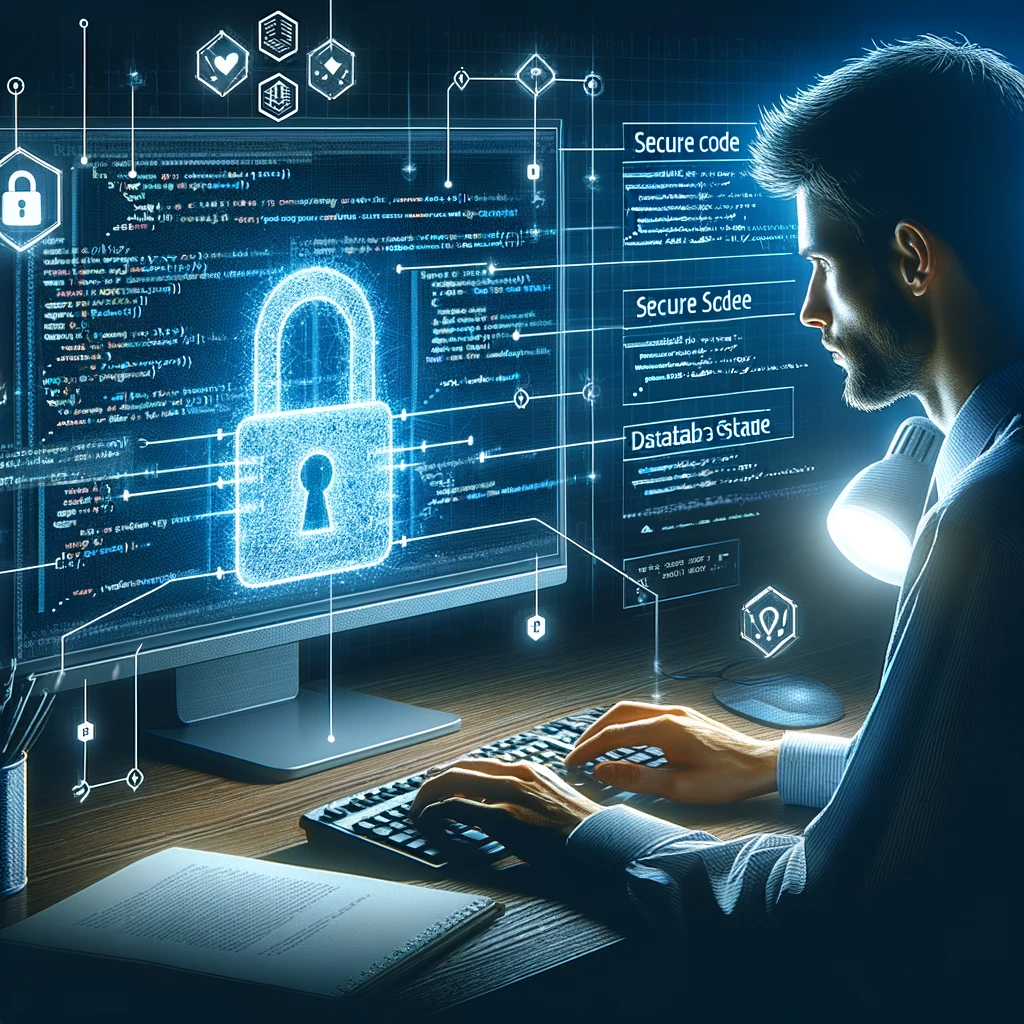
Imagine for a moment you’ve just sat down for a friendly coffee chat, and the person across from you casually starts recounting your life story—your medical history, vulnerabilities, and private struggles—all with the ease of flipping through the pages of a not-so-secret diary. It’s shocking, right? Yet, this is the disturbing reality of what could occur if your medical records fell into the wrong hands. All those years of trust, honesty, and personal investments in your health could be exploited in an instant, should an array of nefarious characters get ahold of your sensitive information.
The world is a digital tapestry, woven tightly with the threads of innovation and advancement. However, with every leap into this high-tech landscape, we must consider the unseen dangers lurking behind the shimmering facade. Cybersecurity is no longer just a tech buzzword; it’s a shield we need to stand between us and the chaos that could ensue if our medical histories were exposed. Identity theft is not a victimless crime; it wreaks havoc on lives, shattering families, businesses, and personal identities.
Think about it—your medical records are not just data; they are profound glimpses into your life. What if someone misused that information? Imagine the fear and vulnerability that would creep in every time you visited a doctor, knowing there’s the potential for strangers to misuse your past treatment to manipulate or prejudge your future. Ethical responsibility lies with all of us: healthcare providers, tech companies, and individuals, to safeguard those sacred details of our lives as if they were our own secrets.
The stories around medical record breaches are more than just headlines—they are narratives of real lives turned upside down. A parent denied health insurance because of a previously treated condition. A young professional passed over for a job due to a misinterpreted medical record. Every scenario serves as a reminder of our shared humanity and the necessity of trust.
We stand at a critical junction: it’s time to advocate for robust cybersecurity measures and hold organizations accountable like never before. The protection of your medical records isn’t merely a safeguard; it’s about preserving the dignity and integrity of who you are. Today, let’s not just be customers of our healthcare providers; let’s be active participants in ensuring our information remains securely tucked away, just where it belongs.
What Would Happen If Your Medical Records Fell Into the Wrong Hands?
What Would Happen If Your Medical Records Fell Into the Wrong Hands?
- Personal medical records can be exploited if they fall into the wrong hands, revealing private struggles and vulnerabilities.
- Cybersecurity is crucial in protecting sensitive medical information from potential breaches.
- Identity theft stemming from exposed medical records can significantly impact individuals, families, and businesses.
- Medical records are more than data; they hold deep insights into our lives, making their protection paramount.
- Misuse of medical information can lead to discrimination and fear when seeking medical care.
- Real-life consequences of medical record breaches underscore the importance of trust and ethical responsibility.
- We must advocate for strong cybersecurity measures and actively participate in safeguarding our medical information.

What Would Happen If Your Medical Records Fell Into the Wrong Hands?
How Secure Are the Systems That Store Your Financial Information?
When you think about the systems that cradle your hard-earned money, it’s both a relief and a source of anxiety. At the heart of it all, we’re placing our trust in intricate webs of technology designed to protect our financial lives. But are they as secure as we’d like to believe? Let’s take a moment to connect the dots between the emotional weight of our finances and the cold, hard mechanics of cybersecurity.
You’ve worked tirelessly, sacrificed weekends, late nights, and perhaps even sleep, all to build a little nest egg for the future. The thought that this hard work could be compromised by a faceless hacker adds an unsettling pit in your stomach. This isn’t just about numbers on a screen; it’s the foundation of dreams—a college fund, a first home, or travel plans yet to unfold. The reality is that every day, hackers are out there, targeting vulnerabilities in systems that handle your money. It’s not just an abstract problem; it’s a fight over your peace of mind.
Now, here’s where the head comes into play. Companies are pouring resources into cybersecurity, employing teams of experts who are updated on the latest threats. They’re implementing multifactor authentication, advanced encryption, and real-time monitoring—complex solutions designed to keep you safe. But complexity can also breed confusion. How do you know that they’re taking the right measures? The truth is, it’s not just about the tools—they need the right culture, too. Trust comes from knowing that these companies are ethically committed to defending your interests, guarding against breaches with the seriousness you deserve.
Consider the story of a young family, excited to buy their first home, only to fall prey to identity theft because a financial institution didn’t prioritize their own security measures. The emotional fallout was staggering. They lost not only money but also faith in a system designed to protect them. However, many corporations are stepping up their game, learning from past mistakes, and working hard to foster a culture of vigilance and responsibility. It’s heartening to see that accountability is becoming a shared value among businesses and consumers alike.
As you navigate your financial journey, remember that you are not alone. Demand transparency from the companies that hold your finances. Engage with them on social media, ask questions, and share your concerns. Together, we can hold the line on cybersecurity, advocating for a future where our financial information is not just protected but cherished. Trust is earned, and with our collective voice, we can inspire change.

How Secure Are the Systems That Store Your Financial Information?
How Secure Are the Systems That Store Your Financial Information?
- The complexity of financial systems can cause both relief and anxiety about personal security.
- Hard work and savings represent more than money; they symbolize future aspirations and dreams.
- Hackers constantly target financial systems, directly threatening individual peace of mind.
- Companies invest in cybersecurity measures like multifactor authentication and real-time monitoring but must also prioritize ethical culture.
- A young family’s experience with identity theft highlights the emotional impact when financial institutions fail to secure personal data.
- Many corporations are learning from past mistakes, focusing on accountability and responsible cybersecurity practices.
- Consumers are encouraged to demand transparency and engage with financial institutions to advocate for better security.

How Secure Are the Systems That Store Your Financial Information?
Are You Taking the Right Steps to Protect Your Sensitive Data?
When you hear the word “cybersecurity,” what comes to mind? For many of us, it’s a labyrinth of technical jargon and complex defenses, a world that feels light-years away from our daily lives. Yet, this issue isn’t just for tech wizards in glass towers; it’s for you—right now, in your living room, with your phone in hand. Imagine the fallout if your personal information was compromised. Your credit score, your reputation, and that little slice of peace you carve out at the end of a long day could all hang in the balance.
At the heart of effective cybersecurity is more than just firewalls and passwords. It’s about understanding that your data is a treasure. Treating it as such requires action. Picture this: each time you shop online or share a personal thought on social media, you’re leaving breadcrumbs that someone might pick up and exploit. This isn’t just a paranoid fantasy; it’s the reality many are living today, often until it’s too late. The human element here is critical. Vulnerability isn’t just a buzzword; it’s a risk that could uproot your life.
Now let’s get down to the nuts and bolts. Educate yourself about how to protect your sensitive data. Use two-factor authentication, update your software, and keep your eyes peeled for phishing scams. It may not be glamorous work, but it is vital. Every precaution you take is a step towards reclaiming control over your life and your information. When you put in the effort, you can protect yourself and those you love from a potentially devastating breach.
On a broader scale, think about the community aspect. We all share cyberspace, and when one of us gets hacked, it sends ripples through the fabric of trust that binds us. If we educate ourselves and stand together, we create a shield that benefits everyone. It’s about building a safe network, where cyber threats are met with a united front.
So, take a moment to assess your digital habits. Is there something you can do today that will safeguard your data tomorrow? Each step you take is a contribution to a more secure online world—one where not just your information, but your peace of mind, is worth its weight in gold. Don’t wait for a wake-up call. Act, because your data deserves protection, and so do you.

Are You Taking the Right Steps to Protect Your Sensitive Data?
Are You Taking the Right Steps to Protect Your Sensitive Data?
- Cybersecurity affects everyone, not just tech experts; it’s relevant to your everyday life.
- Your personal information is valuable and can be compromised, affecting your credit score and peace of mind.
- Data protection goes beyond technical measures; it requires treating your information like a treasure.
- Every online action leaves traces that can be exploited, highlighting the real risks of vulnerability.
- Educate yourself on data protection strategies, such as using two-factor authentication and identifying phishing scams.
- Community awareness is essential; cyber breaches impact everyone, so collective education is key.
- Assess your digital habits and take proactive steps to safeguard your data to enhance your security.

Are You Taking the Right Steps to Protect Your Sensitive Data?
What Can You Do to Ensure Your Privacy In a Digital Age?
In a world that feels more connected than ever yet increasingly invasive, safeguarding your privacy isn’t just an option—it’s a necessity. Picture this: You’re scrolling through your feed, sharing life’s highlights, and in that moment, it feels like you’re surrounded by friends. But lurking just beneath the surface are the complex and sometimes cliché algorithms that scrutinize your digital footprint. It’s a stark reality that demands our attention and provokes our conscience.
As we navigate this digital labyrinth, emotional appeals don’t just resonate—they ignite a sense of urgency. Consider your loved ones: Are you ready to expose their moments of joy and vulnerability to the vast unknown? This is where cybersecurity enters the scene—not as a buzzword but as your shield. A commitment to protecting your data is about prioritizing your values and taking the ethical road less traveled. You owe it to yourself and those you care about to be the guardian of your digital life.
Now, let’s get rational. You wouldn’t leave your front door wide open in a busy neighborhood, right? Likewise, your online presence needs sturdy locks and reinforced walls. Start by doing the basics: use strong, unique passwords, enable two-factor authentication, and regularly update your software. You may consider these tasks mundane, but they’re your first line of defense.
Here’s where connection meets authority. Reach out to friends and community groups to share knowledge on best practices. Engage in conversations about privacy—because lurking is no way to live. When you turn the focus outward, it becomes a collective mission, and suddenly, you’re less of an island and more of a fleet.
Here’s the gut check: Every bit of data you generate becomes a piece of a larger puzzle. Be intentional about what you share and where you share it. Your stories, your memories—they’re yours, and they deserve to be kept safe from opportunistic eyes.
Engage with your digital environment in a proactive way, reminding yourself that every click, every share, matters. This isn’t just about privacy; it’s about dignity, respect, and feeling empowered in an era that often feels overwhelming. So take action today. Reclaim your space, safeguard your narrative, and trust that your voice—and your choices—can make a difference.

What Can You Do to Ensure Your Privacy In a Digital Age?
What Can You Do to Ensure Your Privacy In a Digital Age?
- In a highly connected yet invasive world, protecting your privacy is essential.
- Digital footprints are monitored by complex algorithms, highlighting the need for awareness.
- Consider the implications of sharing personal moments with loved ones online.
- Cybersecurity acts as a shield; understanding data protection reflects your values.
- Implement basic online security measures like strong passwords and two-factor authentication.
- Engage with your community to share knowledge about privacy best practices.
- Be mindful of what you share; your digital presence deserves protection and respect.

What Can You Do to Ensure Your Privacy In a Digital Age?
Do You Trust the Companies Handling Your Personal Information?
When it comes to your personal information, trust is a fragile thing. It’s a bit like handing a stranger your key while hoping they won’t snoop through your drawers. We’re living in a world that’s increasingly interwoven with technology, where every click, every swipe, and every purchase is recorded and analyzed. The concept of privacy feels like a relic of a simpler time, yet the need for connection and assurance is more vital than ever. Ask yourself: can you really trust the companies that handle your personal data?
At the heart of this matter lies a gut feeling. When you download that seemingly innocent app or sign up for yet another service, do you pause to consider the layers of cybersecurity—or lack thereof—wrapped around your data? Perhaps you’ve read a headline about a massive data breach, or a friend’s identity getting stolen. Those aren’t just stories; they’re cautionary tales that ripple through our lives, driving home the urgency of vigilance.
But let’s not just dwell on fear; let’s approach this with reason. Statistically, many companies will tout their robust cybersecurity protocols, backed by expert opinions and shiny certifications. They’ll display trust badges like medals on a chest. However, behind every impressive façade lies a spectrum of accountability and ethics. Do these corporations prioritize profit over protection? Are they transparent about how they safeguard your information? Your data is worth its weight in gold to them, but without stringent ethics and integrity, it can quickly turn into a losing gamble for you.
The narrative we find ourselves entangled in is also shaped by those around us. Conversations swirl about data privacy, with friends sharing stories of phishing attempts or surprising targeted ads that echo their private conversations. Engaging in an open dialogue about these matters isn’t just informative; it fosters a community of awareness and defense.
Ultimately, it comes down to action; it’s time to take control. Educate yourself about the companies collecting your information, demand transparency, and shift your habits. Whether it’s by using stronger passwords, enabling two-factor authentication, or simply asking questions before trusting that next enticing app, your choices matter. By becoming an informed consumer, you aren’t just protecting yourself; you’re promoting a culture of accountability and trust in a digital world that desperately needs it.

Do You Trust the Companies Handling Your Personal Information?
Do You Trust the Companies Handling Your Personal Information?
- Trust in personal information protection is fragile, akin to giving a stranger a key.
- The digital landscape records every action, making privacy feel obsolete yet essential.
- Consider the cybersecurity measures of companies when using apps or services.
- Data breaches and identity theft highlight the importance of vigilance in protecting personal data.
- Many companies claim robust cybersecurity, but their accountability and ethics may vary.
- Community discussions about data privacy enhance awareness and defense against threats.
- Take action by educating yourself, demanding transparency, and adopting safer online habits.

Do You Trust the Companies Handling Your Personal Information?
How Can Understanding Data Breaches Empower You to Take Control?
In our hyper-connected world, where the digital landscape evolves faster than we can keep up, understanding data breaches is no longer just a technical issue; it’s a personal one. Picture this: you wake up one morning, coffee in hand, scrolling through headlines that scream of another massive cybersecurity breach. For many, it’s just another headline, but for unsuspecting individuals, it’s a sobering reality that may result in stolen identities, financial loss, or even emotional turmoil.
Recognizing how data breaches occur empowers you to become a vigilant guardian of your own information. Think back to the times you’ve clicked “Accept” without reading the fine print. It’s easy to do in today’s world when everyone is in a rush, but realizing the implications of that seemingly innocent click can stir not just your curiosity but also your common sense. When you learn to navigate the digital landscape with a discerning eye, you’re not merely protecting yourself; you’re fostering a broader culture of awareness. That’s a ripple effect we can all support.
Let’s get personal for a moment. Imagine sharing your dreams with a close friend, only to find that someone has been listening in, exploiting your vulnerabilities. That’s what a breach feels like—like a violation of trust. But by educating yourself on cybersecurity and understanding the motivations behind these attacks, you reclaim that agency. You’re no longer just a victim; you’re an informed citizen ready to take a stand.
Furthermore, while the threat may be daunting, consider the ethical responsibility we hold not just to ourselves, but to those around us. By sharing knowledge, resources, and strategies for defending against data breaches within our communities, we foster a collective resilience. Friends, family, and even colleagues can join forces in safeguarding their digital lives.
Look at the big picture: societal trust hinges on data security. When we refuse to be passive, we encourage organizations to prioritize cybersecurity measures. Companies will take notice when their customers demand transparency and accountability. In this interconnected social web, your empowerment can catalyze change, pushing for a more secure digital ecosystem.
So, arm yourself with knowledge, share what you’ve learned, and become an active participant in this ongoing digital dialogue. Sometimes, it takes one voice to rally a community towards action. Together, we can redefine what it means to be safe in this ever-shifting digital age.

How Can Understanding Data Breaches Empower You to Take Control?
How Can Understanding Data Breaches Empower You to Take Control?
- Data breaches impact individuals personally, leading to identity theft, financial loss, and emotional distress.
- Understanding how data breaches occur empowers individuals to protect their personal information.
- Often, people click “Accept” without reading terms, which can have significant implications.
- Educating yourself about cybersecurity turns you into an informed citizen rather than a victim.
- Sharing knowledge and resources within communities promotes collective resilience against data breaches.
- Societal trust relies on effective data security, encouraging companies to prioritize cybersecurity when customers demand it.
- Became an active participant in the digital dialogue to foster a safer digital environment for everyone.

How Can Understanding Data Breaches Empower You to Take Control?
How Does Sharing Your Data Affect Your Relationships with Others?
We live in an era where the personal data we share feels like a double-edged sword—sharp and full of potential, yet capable of cutting deep. On one hand, sharing ours can lead to newfound connections, brushing shoulders with like-minded folks who resonate with our passions, aspirations, and dreams. This is where the beauty begins. Friendships blossom from the shared snippets of life—images, thoughts, and experiences—fueling community and connection.
But this isn’t a one-sided affair. Consider the ethical implications of your digital footprint. When you share, you’re inviting trusted figures into your personal sphere. Your data is a reflection of your life, and it carries weight. Are your friends engaging with your authentic self, or merely a curated version of it? Transparency breeds trust, but it comes at a cost. What about your privacy? Cybersecurity is more than a buzzword; it’s the guard at the gate, the shield against unwanted intrusions.
When we engage in this dance of sharing, we must balance our heart’s desire for connection with our gut’s instinct for protection. Each post and every click is a choice that could ripple through not just our relationships, but the very fabric of our lives. Have you ever hit that share button and felt a twinge of vulnerability? That’s your gut speaking—reminding you that sharing your data can lead to both support and scrutiny, warmth and worry.
Think about it: the narratives we weave through our shared experiences don’t only draw people in—they also expose us to judgment. You’re opening windows into your life, giving others glimpses of who you are. But every window can be a door for those with less than honorable intentions.
As we navigate this landscape, ask yourself how you want to be seen. Are you an open book or a hidden chapter? Each relationship requires a degree of vulnerability, but it’s crucial to know where to draw the line. Set boundaries that safeguard your heart while still keeping your connections vibrant.
In this interconnected world, let’s not forget the power of a shared experience—where trust is built upon understanding, respect, and a shared commitment to safety. Be proactive. Understand the implications of your digital footprint and embrace the beautiful complexity of sharing, making sure that your relationships thrive in a landscape that respects both your heart and your privacy.

How Does Sharing Your Data Affect Your Relationships with Others?
How Does Sharing Your Data Affect Your Relationships with Others?
- Sharing personal data can facilitate connections with like-minded individuals and foster friendships.
- Consider the ethical implications of your digital footprint and how it reflects your life.
- Transparency can build trust, but it may also compromise your privacy.
- Balance the desire for connection with the instinct for protection in online sharing.
- Be mindful of vulnerability when sharing; it can lead to both support and scrutiny.
- Set boundaries to protect your heart while maintaining vibrant connections.
- Embrace the complexity of sharing, ensuring relationships thrive while respecting privacy.

How Does Sharing Your Data Affect Your Relationships with Others?
Conclusion
In the whirlwind of our digital lives, safeguarding our medical and financial records is not merely a personal responsibility—it’s a shared mission. Picture this: every time you hit “send” on a personal detail, you lay down a piece of your identity. This isn’t just data; it’s your life, your dreams, and your vulnerabilities. With every click, you tread a line between convenience and risk, and it’s time we recognize that.
Now, think about the stakes. Imagine a startling café conversation where a stranger casually divulges your private medical history. It’s shocking, isn’t it? Yet, that invasion is real; if your sensitive information falls into the wrong hands, the consequences can be catastrophic—not just for you, but for your loved ones too. The emotional weight of identity theft, the loss of trust in systems meant to protect us, and the potential fallout is staggering. Your medical records tell a story, and the wrong audience can twist that narrative into something damaging.
Trust, after all, is the backbone of our relationships with healthcare providers and financial institutions. When you share information, you deserve a promise of protection—a guarantee that those entrusted with your data are as committed to your security as you are. It’s clear that cybersecurity isn’t just a technical challenge; it’s an ethical obligation shared by all of us—individuals, professionals, and companies alike.
So, what can you do? Start with the basics: strong passwords and two-factor authentication. But don’t stop there. Engage in dialogue with friends and family, sharing stories about the importance of data security. This isn’t a solitary battle. Fostering community awareness is essential. When you empower yourself with knowledge, you not only shield your own information but also contribute to a larger conversation about trust, security, and vigilance.
As you navigate this digital maze, remember that every small step you take is part of a broader movement towards resilience and self-advocacy. Let’s collectively hold organizations accountable and demand transparency. Strive to be informed consumers who expect companies to prioritize integrity, and know this: your actions can inspire change. Together, we can forge a secure online world that honors our privacy and the dignity of every individual, paving the way for a future where trust reigns supreme. Let’s build that fortress together—one decision, one conversation at a time.
Conclusion
Conclusion:
- Protecting medical and financial records is a shared responsibility in our digital lives.
- Sensitive information shared online can lead to identity theft and breach of trust.
- Trust is essential in relationships with healthcare providers and financial institutions.
- Cybersecurity is not just a technical issue; it is an ethical obligation for everyone.
- Implement basic security measures like strong passwords and two-factor authentication.
- Foster community awareness and dialogue about the importance of data security.
- Hold organizations accountable and demand transparency to promote a secure online world.

Conclusion
Other Resources

Other Resources
Here is a list of other resources you can review online to learn more:
- Ciscom Solutions
- NTT Ltd.
- Appalachia Technologies
- GoSecure
- Masergy
- Rehmann
- Trustwave
- Netsecuris
- Discord
- BlackFog
- Align Communications
- General Dynamics
- AccountabilIT
- Fujitsu
- Velo ITG Holdings
- ISH Tecnologia
- AKATI Consulting
- Line
- Loop Secure
Use This Prompt To Get More Resources With Your Favorite Online AI Tool: Please provide me with a list of online articles with their URLs in a bulleted list that I can read regarding Protecting Your Medical and Financial Records In a Connected World

Other Resources
Glossary Terms
Protecting Your Medical and Financial Records In a Connected World – Glossary Of Terms
1. Data Privacy: The right to control who has access to personal information and how it is used.
2. Cybersecurity: The practice of protecting computer systems and networks from digital attacks and unauthorized access.
3. Encryption: A method of converting information into a coded format to prevent unauthorized access.
4. Two-Factor Authentication: A security process that requires two different forms of identification before granting access.
5. Phishing: A fraudulent attempt to obtain sensitive information by disguising as a trustworthy entity in electronic communications.
6. Malware: Malicious software designed to cause damage to or exploit any programmable device or network.
7. HIPAA: The Health Insurance Portability and Accountability Act, which sets standards for protecting patient health information.
8. Access Control: A security technique that regulates who or what can view or use resources in a computing environment.
9. Firewall: A network security system that monitors and controls incoming and outgoing network traffic based on predetermined security rules.
10. Identity Theft: The act of taking someone’s personal information without their permission to commit fraud.
11. Secure Socket Layer (SSL): A standard technology for keeping an internet connection secure and safeguarding any sensitive data.
12. Data Breach: An incident where unauthorized access to data occurs, potentially compromising confidential information.
13. Privacy Policy: A legal document that explains how a company collects, uses, and protects personal information.
14. Secure Cloud Storage: Online storage solutions that use encryption and security protocols to keep data safe.
15. Data Minimization: The practice of limiting data collection to only what is necessary for a specific purpose.
16. Regular Updates: Keeping software and systems current to protect against vulnerabilities and security exploits.
17. Biometrics: Authentication methods that use unique biological traits such as fingerprints or facial recognition.
18. Incident Response Plan: A documented strategy to address and manage the aftermath of a security breach.
19. Compliance: Adhering to laws, regulations, and policies related to data protection and privacy.
20. Secure Password: A complex password that is difficult to guess, often combining letters, numbers, and symbols.
21. Digital Footprint: The trail of data one leaves while using the internet, which can include social media activity, online purchases, and more.
22. Threat Assessment: The process of evaluating potential risks to data security and privacy.
23. User Education: Training individuals on best practices for maintaining data security and recognizing potential threats.
24. Remote Access: The ability to connect to a computer or network from a distance, which can pose security risks if not properly secured.
25. Anti-virus Software: Programs designed to detect and remove malware from computers and networks.
26. Data Governance: The overall management of data availability, usability, integrity, and security within an organization.
27. Consent: The agreement to allow personal information to be collected or processed, often required by law, especially in healthcare.
28. Vulnerability: A weakness in a system that can be exploited by threats to gain unauthorized access or perform unauthorized actions.
29. Digital Security: Measures taken to protect digital information from unauthorized access, corruption, or theft.
30. Data Retention Policy: Guidelines for how long personal and sensitive information is kept, in compliance with legal requirements and organizational practices.

Glossary Of Terms
Other Questions
Protecting Your Medical and Financial Records In a Connected World – Other Questions
If you wish to explore and discover more, consider looking for answers to these questions:
- What are the best practices for safeguarding medical records?
- How can individuals assess the cybersecurity measures of their healthcare providers?
- What steps can you take if your medical records have been compromised?
- What are common tactics used by cybercriminals to access financial information?
- How can one evaluate the security of financial institutions?
- What role does government regulation play in protecting personal data?
- How can individuals educate themselves about cybersecurity effectively?
- What resources are available for learning about data protection?
- What should you do if you suspect your personal information has been misused?
- How can businesses improve their data protection measures?
- What trends are emerging in cybersecurity that individuals should be aware of?
- How can open conversations about data privacy empower communities?
- What tools or software can help protect personal data online?
- How can individuals advocate for better data protection from companies?
- What are the long-term implications of data breaches for individuals and businesses?

Other Questions
Haiku
Protecting Your Medical and Financial Records In a Connected World – A Haiku
Guard your data close,
In a web of trust we weave,
Together we’re safe.

Haiku
Poem
Protecting Your Medical and Financial Records In a Connected World – A Poem
In the realm of our digital age, where trust can often wane,
Guardians of our secrets stand, in a world that feels like rain.
With data woven tight in webs, fraught with shadows unseen,
We must secure our cherished truths, for the world can be unclean.
Imagine the weight of histories, your health laid bare and raw,
Where whispers turn to echoes, where trust can breach and flaw.
Each click you grant, each word shared wide, is an offering of your soul,
A call to stand together now, to shield what makes us whole.
The stakes are high as dreams reside in pockets full of hope,
A child’s college fund, a future bright, learning how to cope.
But lurking there, in silent schemes, are thieves of peace and pride,
This fight is not just individual; it’s where we must unite.
Let knowledge be our armor strong, as education lights the way,
Two-factor locks and changing codes keep dark uncertainties at bay.
Share the tales of battles fought, victories in data’s dance,
When we unite in vigilance, we stand a greater chance.
For every friend you warn and gift of insight freely shared,
You weave a net of safety wide, a community that cares.
Engage the firms that guard your life, demand the trust you deserve,
Together we will foster faith, in a world that tests our nerve.
Condensed within these lines of verse, a rally cries aloud,
Let’s safeguard all we cherish dear, together, brave and proud.
In this digital tapestry, where shadows seek to creep,
Let hearts and minds align in strength; value your data deep.

Poem
Checklist
Protecting Your Medical and Financial Records In a Connected World – A Checklist
Checklist: Protecting Your Medical and Financial Records in a Connected World
Emotional Appeal
_____ Reflect on the importance of safeguarding your personal story and experiences.
_____ Visualize the potential fallout if your medical or financial records were compromised.
_____ Share your personal experiences with data security with friends and family to foster a supportive community.
Rational Appeal
_____ Educate yourself on the latest cybersecurity tools and practices.
_____ Review your passwords and strengthen them using a password manager.
_____ Consider subscribing to identity theft protection services for added security.
Ethical Appeal
_____ Recognize the trust inherent in sharing personal data with healthcare providers and financial institutions.
_____ Advocate for stronger data protection measures from businesses you interact with.
_____ Discuss ethical responsibilities surrounding data sharing with your network.
Authority Appeal
_____ Follow trusted cybersecurity experts and organizations for updates on best practices.
_____ Educate yourself about the security measures your financial institutions and healthcare providers have in place.
_____ Participate in community workshops or seminars focused on cybersecurity awareness.
Narrative Appeal
_____ Share cautionary tales of data breaches with your network to highlight the risks.
_____ Create or engage in discussions about successful data protection strategies.
_____ Formulate personal narratives on how data security impacts your daily life.
Social Appeal
_____ Initiate conversations with friends and family about their cybersecurity practices and concerns.
_____ Encourage a collaborative approach to data security within your community, sharing tips and resources.
_____ Join local or online groups focused on digital privacy to exchange knowledge and experiences.
Proactive Steps
_____ Enable two-factor authentication on all accounts that offer it.
_____ Regularly update your software and applications to enhance security.
_____ Limit the amount of personal information you share on social media platforms.
Take action today to protect your valuable information and cultivate a culture of security within your circles. Your proactive efforts can empower not just yourself but those around you.

Checklist
At BestCyberSecurityNews, we help teach entrepreneurs and solopreneurs the basics of cybersecurity and its impact on their businesses by using simple concepts to explain difficult challenges.
Please read and share any of the articles you find here on BestCyberSecurityNews with your friends, family, and business associates.


