Protect Your Financial Future From Identity Theft
By Tom Seest
At BestCyberSecurityNews, we help teach entrepreneurs and solopreneurs the basics of cybersecurity and its impact on their businesses by using simple concepts to explain difficult challenges.
Please read and share any of the articles you find here on BestCyberSecurityNews with your friends, family, and business associates.
How to Keep Your Retirement Data Out Of Criminal Hands
When it comes to your retirement, there’s a lot riding on those well-deserved golden years. You’ve worked hard, sacrificed, and planned, all to create a comfortable future. But in this digital age, there lurks a hidden danger that can derail those plans faster than you can say “data breach.” Cybersecurity is not just some buzzword thrown around in tech circles; it’s the lifeblood of your financial safety.
Let’s paint a picture. You wake up one morning—sun shining, coffee brewing, ready for that round of golf you’ve been eyeing all year. But then, an email pings on your phone. A notification that your retirement account has been compromised. Your heart sinks. The dreams you envisioned become distant memories as a knot forms in your gut. This scenario happens far too often, and it’s a grim reminder that vigilance is a must.
If you find yourself thinking, “That could never happen to me,” consider this: over 60% of small businesses have experienced a cyber attack. If they can fall prey, so can the average retiree. The reality is sobering: cybercriminals are honing their skills every day, searching for the next vulnerable target—and unfortunately, that could be you. But fear not; you can take steps to fortify your fortress.
Start with the basics: strong, unique passwords for every account. Think of it like a multi-lock door that keeps unwanted guests at bay. Next, enable two-factor authentication wherever possible. This is the equivalent of adding a security system to your home—extra peace of mind that adds another layer of defense.
Beyond the technical measures, there’s a moral obligation to be proactive. Consider your family. They deserve to enjoy your hard-earned success just as much as you do, free from the anxiety of financial fallout. By maintaining your cybersecurity, you’re safeguarding not just your retirement but your legacy.
It’s all hands on deck, folks. Share resources with friends and family. Discuss strategies, swap tips, and encourage one another. Building an informed community around you can transform fear into empowerment. And when we choose to educate ourselves and each other about the threats we face, we rise above the challenges, inspiring trust and camaraderie within our circles.
Embrace the responsibility. Because securing your retirement isn’t just about you; it’s about protecting the dreams that shape your legacy.

How to Keep Your Retirement Data Out Of Criminal Hands
How to Keep Your Retirement Data Out Of Criminal Hands
- Retirement plans can be jeopardized by cybersecurity threats in the digital age.
- Cybersecurity is crucial for financial safety, not just a tech buzzword.
- Many retirees underestimate the risk, despite over 60% of small businesses experiencing cyber attacks.
- To protect yourself, use strong, unique passwords for every account.
- Enable two-factor authentication for additional security on accounts.
- Maintaining cybersecurity safeguards not only your retirement but also your family’s financial future.
- Encourage community awareness—share resources and strategies with friends and family.

How to Keep Your Retirement Data Out Of Criminal Hands
Table Of Contents
- How to Keep Your Retirement Data Out Of Criminal Hands
- What Strategies Can Protect Your Retirement Savings From Hackers?
- How Can You Ensure Your Financial Data Is Secure In the Digital Age?
- How Can Regular Monitoring Of Your Accounts Prevent Identity Theft?
- What Role Do Strong Passwords Play In Securing Your Retirement Funds?
- How Can Educating Yourself About Fraud Tactics Empower Your Decisions?
- What Ethical Precautions Should You Take When Sharing Personal Data?
- How Engaging with Your Community Can Bolster Your Security Awareness?
- Conclusion
- Other Resources
- Glossary Of Terms
- Other Questions
- Haiku
- Poem
- Checklist
What Strategies Can Protect Your Retirement Savings From Hackers?
The thought of retirement makes many of us feel warm and fuzzy inside; it’s the golden years we’ve worked toward our entire lives. Yet, lurking in the shadows are threats that could steal that dream faster than you can say “identity theft.” It’s one thing to worry about market fluctuations, but what about the very real threat of hackers targeting your hard-earned savings? It’s a haunting idea, and it’s time to protect what’s rightfully yours.
First off, let’s talk about the foundation of your defense: Cybersecurity. Picture your retirement savings as a beautiful, glimmering treasure chest, but if it’s all unlocked and exposed, it’s only a matter of time before pirates come to pillage. Fortifying your digital life is critical. Use a reputable password manager to create complex passwords and enable two-factor authentication wherever you can. This isn’t just nerdy stuff; it’s like installing a high-tech security system for your financial future.
Now, let’s engage the head and the gut for a moment. Consider the weight of your years of hard work and dedication. Every hour put in has built up those savings, and that should stir something deep within us all. Imagine the sacrifices you’ve made, the birthdays missed, the late nights. You owe it to yourself to protect those efforts. The more proactive you are now, the more confident you can be that your dreams won’t be derailed by someone else’s greed.
It’s not just about technology—it’s about ethics. You have a responsibility to your family. If something goes wrong, that burden isn’t just yours; it falls on loved ones who may have to scramble to pick up the pieces. Share knowledge with them as well; educate your kids or future generations about the importance of protecting personal information. This isn’t just a lonely endeavor; it’s a movement toward safeguarding your family’s legacy.
Finally, remember you’re not alone in this fight. Seek out community resources or financial advisories that specialize in cybersecurity. There’s strength in numbers and collaboration. Engage in social discussions or join local groups focused on financial security; together, you can learn tactics for outsmarting these digital bandits.
Your retirement savings aren’t just numbers in a bank account—they’re a culmination of your dreams and hard work. Protect them with all the grit and resilience you can muster, because nothing less than your future is at stake.

What Strategies Can Protect Your Retirement Savings From Hackers?
What Strategies Can Protect Your Retirement Savings From Hackers?
- Retirement can feel like an idyllic time, but threats like hackers can jeopardize your savings.
- Cybersecurity is essential; think of your savings as a treasure chest that needs to be protected.
- Use a password manager for complex passwords and enable two-factor authentication for added security.
- Reflect on the sacrifices made to build savings, ensuring you protect your hard-earned efforts.
- You have an ethical responsibility to safeguard not just your money, but your family’s future.
- Educate family members about personal information protection to ensure collective security.
- Join community resources or financial advisers focused on cybersecurity; collaboration increases your defense.

What Strategies Can Protect Your Retirement Savings From Hackers?
How Can You Ensure Your Financial Data Is Secure In the Digital Age?
In today’s fast-paced digital world, securing your financial data is not just a matter of precaution—it’s a necessity that strikes at the very core of your peace of mind. Picture this: you’ve worked hard for your money, investing blood, sweat, and tears to build a life you can be proud of. But with every click, every transaction, there’s a lurking shadow—a cyber threat that stands ready to steal your hard-earned resources. Understanding the principles of cybersecurity becomes more than just technical jargon; it transforms into a personal responsibility, an ethical commitment to safeguard not just your assets, but your freedom—from anxiety, from worry, from vulnerability.
The harsh truth is that no one is immune to the potential pitfalls of digital transactions. The reality is sobering: Cybersecurity threats are evolving, becoming more sophisticated and, frankly, more brazen. You owe it to yourself to arm your financial data with defenses that are both robust and thoughtful. Regularly updating your passwords and using multi-factor authentication is a great start. Think of it like locking your front door and installing a security system; you wouldn’t dream of leaving your home unprotected, so why would you do the same with your finances?
But it’s not just about sticking your head in the sand, hoping for the best. Embrace the technology that allows you to protect your data. Consider encryption, a method of scrambling your information so that, even if it falls into the wrong hands, it remains meaningless. This isn’t just smart; it’s necessary. And conduct regular audits of your financial accounts—something as simple as checking your statements can reveal discrepancies that may indicate foul play, catching issues before they spiral out of control.
Think of this as a community effort as well. Share tips with friends and family; it’s not just about your security, but about protecting those you love. When we work together, we create a network of vigilance, ensuring that everyone takes the necessary steps to keep their data safe.
In this wild, digital landscape, taking control of your financial security is not just an option—it’s imperative. Trust your instincts; take action. Empower yourself with knowledge, and in turn, inspire those around you to do the same. When we all stand vigilant, we create a safer, more secure community for everyone.

How Can You Ensure Your Financial Data Is Secure In the Digital Age?
How Can You Ensure Your Financial Data Is Secure In the Digital Age?
- Securing financial data is essential for peace of mind in a digital world.
- Cyber threats can compromise hard-earned resources, highlighting the importance of cybersecurity awareness.
- Adopting strong defenses, such as regular password updates and multi-factor authentication, is crucial.
- Utilizing encryption protects information even if it falls into the wrong hands.
- Regular audits of financial accounts can help identify discrepancies and prevent larger issues.
- Encouraging a community effort by sharing security tips supports collective vigilance against cyber threats.
- Taking proactive steps in financial security is imperative for creating a safer environment for all.

How Can You Ensure Your Financial Data Is Secure In the Digital Age?
How Can Regular Monitoring Of Your Accounts Prevent Identity Theft?
In the digital age, where our lives are intertwined with technology, the threat of identity theft looms like a shadow. The digesting statistic is alarming: every day, thousands of individuals wake up to find their identities pilfered, their dreams disrupted. Now, imagine the gut-wrenching realization of discovering that someone has been impersonating you, draining your hard-earned savings and tarnishing your name. This isn’t just a story; this is a reality. Regular monitoring of your accounts is your front line of defense against this grim fate.
Let’s appeal to the head for just a moment. When you make it a habit to check your bank statements and credit reports regularly, you’re not just looking for discrepancies; you’re engaging in everyday cybersecurity. Catching a charge that you didn’t authorize isn’t just a numbers game—it’s a lifeline. Those little anomalies can reveal a much larger problem, one that if overlooked, could spiral into an endless loop of reparations and stress. Think of it like a routine check-up: the earlier you spot a potential issue, the easier it is to fix.
Now, consider the emotional heart of this issue. We work hard for our money. Each dollar represents hours spent grinding away, often sacrificing our time and energy for the sake of a future. Knowing that a thief could swipe that all away with a flick of a wrist—or a click of a button—is maddening. By taking the reins and actively monitoring your accounts, you’re reclaiming your peace of mind. You’re not just a victim waiting for something to happen; you’re a proactive guardian of your own life.
Finally, there’s an ethical social component to this. When you choose to protect your identity and monitor your accounts, you’re not just defending your own interests. You’re reinforcing a culture of vigilance that encourages those around you to do the same. You create a ripple effect, one that promotes collective awareness within your community and helps curb the rise of cybercrime.
Your accounts are more than just numbers; they represent your identity. Embrace the tools available, keep an eye on your finances, and don’t let uncertainty govern your life. Regular monitoring isn’t just a good practice; it’s a necessity. Take action today, because a little vigilance can prevent a lot of heartache tomorrow.

How Can Regular Monitoring Of Your Accounts Prevent Identity Theft?
How Can Regular Monitoring Of Your Accounts Prevent Identity Theft?
- The threat of identity theft is a significant concern in the digital age, affecting thousands daily.
- Regular monitoring of bank statements and credit reports is essential for early detection of unauthorized charges.
- Catching discrepancies early helps prevent more significant financial issues and stress.
- Active account monitoring allows individuals to reclaim their peace of mind and take control of their finances.
- Protecting your identity also promotes a culture of vigilance in your community, encouraging others to be proactive.
- Accounts represent more than just numbers; they symbolize your identity and hard work.
- Regular monitoring of accounts is not just good practice, but a necessary action to prevent identity theft.

How Can Regular Monitoring Of Your Accounts Prevent Identity Theft?
What Role Do Strong Passwords Play In Securing Your Retirement Funds?
In today’s fast-paced digital world, where everything is just a click away, the strength of your password can often determine the safety of your hard-earned retirement funds. We invest decades of our lives into building a nest egg, dreaming of comfortable days ahead, only to find that a simple, guessable password can put that all at risk. It’s more than just a combination of letters, numbers, and symbols; it’s a lifeline to your future.
Picture this: You’ve worked tirelessly, sacrificing weekends, late nights, and leisure for the promise of security in your golden years. Yet, amid all that hard work, many still use passwords that are easy to crack—often the names of pets, anniversaries, or even commonly known words. This isn’t just laziness; it’s a profound misunderstanding of the landscape we’re navigating today. Cybersecurity breaches are becoming increasingly sophisticated, and they prey on those who underestimate their potential threat. You wouldn’t leave the door to your home wide open, would you? So why leave your financial future vulnerable with weak codes?
Let’s appeal to our heads for a moment. Strong passwords—those that are long, complex, and unique—act as the first line of defense against hackers looking to exploit weaknesses. They’re like a sturdy lock on a solid door, one that requires both time and effort to bypass. Investing in a password manager can provide a reliable means to store and generate these complex passwords, easing the burden of trying to remember them all. A little foresight and a small amount of time can lead to peace of mind knowing you’re safeguarding your financial future.
Ethically speaking, it’s about protecting not just yourself but also your loved ones. Retirement funds are often tied to dreams of family vacations, grandchildren’s education, and lasting legacies. Weak passwords endanger those dreams, threatening the futures of more than just you.
We must also think socially; every time a friend or family member falls victim to a scam, it ripples through the community, a painful reminder of the need for vigilance. By sharing knowledge about the importance of strong passwords, we can foster a culture of security and trust.
The choice is clear. Strong passwords are not merely a technical necessity; they are a commitment to ourselves and our loved ones. They are a promise to protect the lives we’ve built and the futures we can still create. As we weave through this intricate digital landscape, let’s prioritize our financial security with the gravity it deserves.

What Role Do Strong Passwords Play In Securing Your Retirement Funds?
What Role Do Strong Passwords Play In Securing Your Retirement Funds?
- The strength of your password is crucial for protecting your retirement funds in a digital world.
- Many people use easily guessable passwords, putting their financial future at risk.
- Cybersecurity breaches are sophisticated, targeting those with weak passwords.
- Strong passwords serve as the first line of defense against hackers.
- Using a password manager can simplify creating and storing complex passwords.
- Weak passwords endanger dreams for oneself and loved ones, impacting family legacies.
- Promoting awareness about strong passwords can foster community safety and security.

What Role Do Strong Passwords Play In Securing Your Retirement Funds?
How Can Educating Yourself About Fraud Tactics Empower Your Decisions?
Educating yourself about fraud tactics isn’t just an exercise in self-preservation; it’s an investment in confidence—your own and that of those around you. Picture this: you’re sitting at home, scrolling through endless feeds packed with enticing advertisements and “too-good-to-be-true” deals. With each innocent click, you risk becoming the next victim in a long line of individuals who let their guard down. But what if instead of falling prey, you became a pillar of knowledge? The choice is yours.
When you delve into the murky waters of fraud tactics, you aren’t just filling your mind with information; you’re arming yourself with the wisdom to make sound decisions. Understanding the intricacies of scams—from phishing emails to identity theft—gives you a leg-up in a world where deception lurks behind every corner. Knowledge is your shield, enabling you to navigate the digital landscape with awareness and discernment. Cybersecurity isn’t just for tech-savvy experts; it’s for anyone with an email address or a social media account. The more you know, the more you empower yourself to see through lies before they ensnare you.
But this isn’t just about self-interest; it’s about community. Each one of us carries the responsibility to educate not only ourselves but our friends, family, and colleagues. When you take action, you foster a ripple effect that builds a more vigilant society. In conversations over coffee or during casual get-togethers, share what you’ve learned—not as a lecture but as a shared experience. Create a space where discussing fraud tactics is as commonplace as debating the latest blockbuster. Together, you can cultivate an environment where trust thrives and everyone feels stronger.
Think about the impact of your efforts. Every educated individual is one less target in a sea of potential victims. When you speak out, you elevate your community, paving the way for a collective resilience against fraud. Each conversation builds trust, turning a fog of uncertainty into a clear path for making informed choices.
Engaging with the realities of fraud isn’t just practical; it’s a moral obligation in today’s digital world. By understanding these tactics, you’re not just protecting your interests—you’re standing up for the values of honesty and transparency that we all rely on. Embrace this journey of education, and you won’t just safeguard your future; you’ll inspire others to do the same.

How Can Educating Yourself About Fraud Tactics Empower Your Decisions?
How Can Educating Yourself About Fraud Tactics Empower Your Decisions?
- Educating yourself about fraud tactics boosts your confidence and others’ around you.
- Being aware of scams, such as phishing and identity theft, helps you make informed decisions.
- Cybersecurity knowledge is essential for everyone with an email or social media account.
- Sharing what you learn about fraud promotes a more vigilant community.
- Conversations about fraud tactics can create a supportive and trusting environment.
- Each educated individual reduces the number of potential fraud victims in society.
- Understanding fraud tactics is both a practical necessity and a moral obligation in today’s digital age.

How Can Educating Yourself About Fraud Tactics Empower Your Decisions?
What Ethical Precautions Should You Take When Sharing Personal Data?
When it comes to sharing personal data, we often think of it as an innocuous act, like lending a friend a favorite book. In truth, however, it’s more akin to handing over the keys to your house—inviting others to peer inside your life. This isn’t just about convenience; it’s about trust, responsibility, and, most importantly, your own cybersecurity.
First, let’s talk about the emotional appeal. Imagine this: You’ve shared a cherished memory, a significant milestone, something that makes you uniquely you. Now picture that moment reduced to mere data points by a faceless corporation, exploited for profit. That feeling? It’s unsettling. You want your experiences to be valued, not commodified. When sharing your personal data, ask yourself: Is this worth the risk? The answer—whether it’s a yes or a no—will shape how much of yourself you’re willing to expose.
Now, let’s engage your rational side. Every time you sign up for a new app or service, read the fine print. It’s tiresome, I know, but it’s your responsibility. Know who you’re dealing with. Investigate the companies you trust with your information. Are they transparent about their practices? Are they compliant with ethical standards? Stick to reputable organizations that demonstrate a commitment to safeguarding your data and maintaining your privacy. You’ve earned the right to be selective.
Moving to the heart of the ethical dilemma: Sharing is inherently social. We thrive on connection; we want to belong. But belonging shouldn’t come at the expense of your safety. The act of sharing must always be deliberate and conscious. Talk to your friends and family about their experiences. Discuss boundaries around data sharing. By fostering a culture of awareness, you empower each other to make informed choices—and that creates a formidable shield against those who would misuse data.
Finally, think of authority. Trust in established rules and guidelines that govern data sharing. Laws like GDPR and CCPA exist, after all, to protect your rights. Stay informed, support policies that promote ethical data practices, and advocate for your own privacy. When you understand your rights, you’re not just a passive participant in the digital space—you’re an active defender of your personal narrative.
So next time you consider sharing personal data, take a beat. Reflect on the emotional, rational, and ethical implications. Make it a point to protect your stories, your experiences, and ultimately, yourself. The respect you give to your personal data reflects how much you value your own uniqueness—and that’s more precious than any digital exchange.

What Ethical Precautions Should You Take When Sharing Personal Data?
What Ethical Precautions Should You Take When Sharing Personal Data?
- Sharing personal data is comparable to giving access to your life, involving trust and cybersecurity.
- Emotional aspects highlight how personal experiences should be valued, not commodified by companies.
- Evaluate the risk of sharing data before deciding how much to disclose.
- Read the fine print when signing up for apps/services; understand the companies you trust.
- Be selective; choose organizations that prioritize data protection and transparency.
- Engage in discussions about data sharing boundaries with friends and family to promote awareness.
- Stay informed about laws like GDPR and CCPA to advocate for your own privacy rights.

What Ethical Precautions Should You Take When Sharing Personal Data?
How Engaging with Your Community Can Bolster Your Security Awareness?
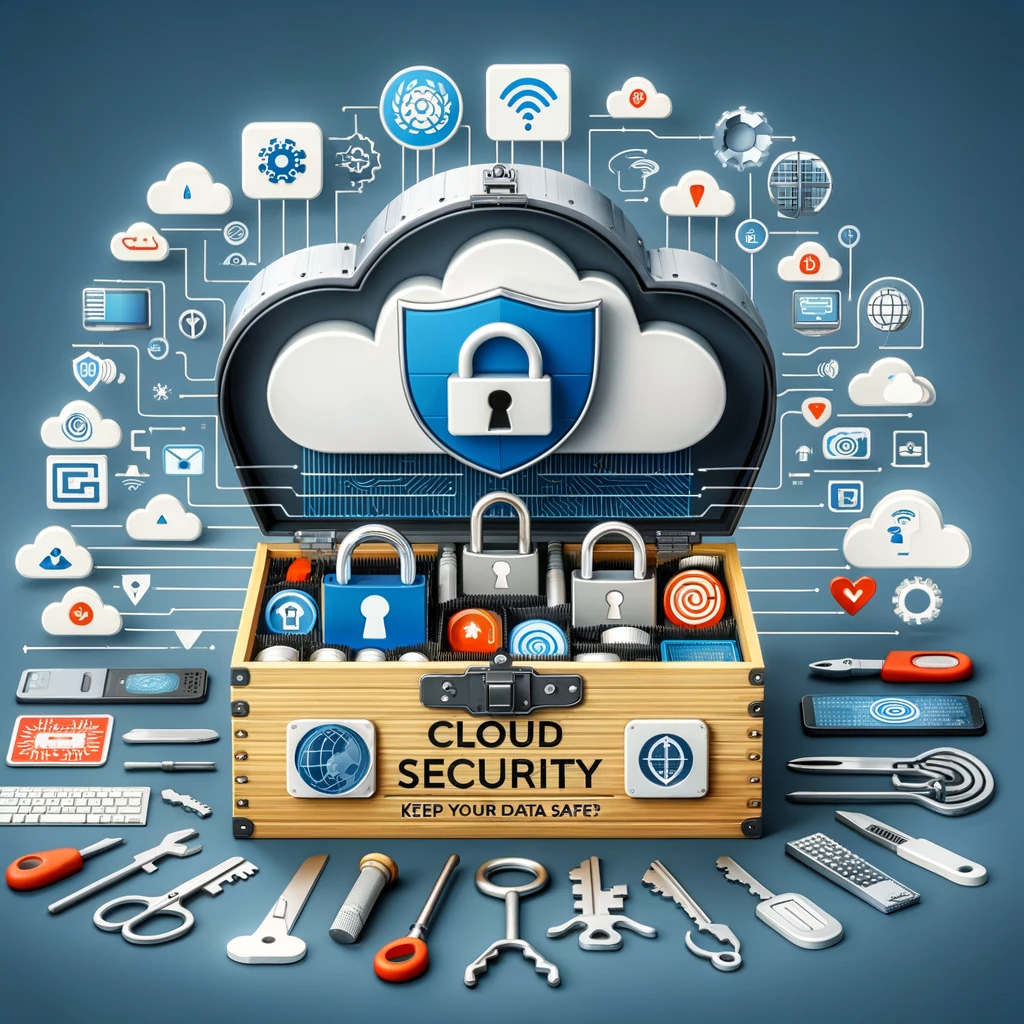
When we think about security, we often envision firewalls, antivirus software, and the term “cybersecurity” lurking somewhere in our minds like an ominous cloud. Yet, what if I told you that the most potent weapon in our fight against digital threats isn’t a piece of technology, but the people standing right next to us—our neighbors, colleagues, and local businesses? Engaging with your community can elevate your safety to a level where tech alone simply can’t reach.
Picture this: a local coffee shop where you gather with friends to share stories over steaming mugs. While you sip your brew, you might casually discuss the importance of strong passwords or the latest phishing scams. These conversations can turn into powerful resources. When community members share their experiences, successes, and failures in navigating the digital landscape, they create a web of knowledge that is deeper and more resilient than any isolated research could yield. Think of this as a neighborhood watch for the cyber world.
You’re not just learning; you’re building relationships based on mutual trust and responsibility. As we share our stories and struggles with cybersecurity, we cultivate a culture of awareness—one that recognizes that our safety is intertwined with the safety of those around us. When you see the face behind a shared experience, it becomes more tangible, more real. It ignites a sense of obligation—not just to protect yourself, but to empower others as well. This is about more than just tech-savvy; it’s about ethical engagement in our social fabric.
The ripple effect is powerful. Imagine a community where everyone feels empowered to spot a phishing email or recognize a potential security breach. The knowledge flows, the confidence builds, and soon, your little neighborhood transforms into a bastion against cyber threats.
We can’t overlook the simple reality that most threats come not from strangers at all, but from within our circles—friendly faces with misinformation. Each conversation, every shared experience, strengthens our collective awareness, creating a tapestry of vigilance that wraps snugly around our homes, our families, and our livelihoods. When we unite, we elevate our cybersecurity, but more importantly, we create a supportive environment that fosters learning and growth.
So, the next time you find yourself at that local gathering, remember: the stories shared might just be the very shield you need against an unseen enemy. Engage, inspire, and act—because together, we are stronger.

How Engaging with Your Community Can Bolster Your Security Awareness?
How Engaging with Your Community Can Bolster Your Security Awareness?
- The most powerful defense against digital threats lies in community engagement, not just technology.
- Conversations in local settings, like coffee shops, can share valuable insights about cybersecurity.
- Community members can create a network of knowledge that enhances collective cybersecurity awareness.
- Building relationships based on trust fosters a culture of responsibility toward each other’s safety.
- A united community can effectively spot and counteract phishing attempts and security breaches.
- Threats often arise from misinformation within our circles, highlighting the need for shared knowledge.
- Engaging with others empowers both individual and collective cybersecurity, creating a supportive environment.
How Engaging with Your Community Can Bolster Your Security Awareness?
Conclusion
Retirement is a dream you’ve crafted through years of hard work, sacrifice, and planning. Unfortunately, in today’s digitized world, that dream is under constant threat from cybercriminals who are sharpening their skills and looking for targets. Imagine waking up to find your retirement account compromised—a scenario that could happen to anyone, regardless of how careful they believe they are. A staggering 60% of small businesses experience cyber attacks, underscoring that vulnerability isn’t confined to just those with large corporations. It’s essential to realize that the safety of your accumulated wealth hinges on proactive measures against identity theft.
Fundamentally, safeguarding your financial future starts with cybersecurity basics. Strong, unique passwords, akin to a fortified door that keeps intruders at bay, and two-factor authentication are your first lines of defense. Enabling these features is not just smart; it’s critical for peace of mind. You owe it to yourself and your loved ones to protect the legacy you’ve worked so hard to create. Every dollar saved is a tribute to the time and effort you’ve invested—your dreams are worth the effort.
This isn’t merely a personal crusade; it’s a collective responsibility. Sharing best practices and tips among friends and family can transform anxiety into empowerment. Each conversation about potential threats fortifies your immediate community, proving that knowledge shared is power multiplied. Every time you educate someone about protecting personal information, you help instill a culture of vigilance and camaraderie.
Furthermore, consider the ethical implications of your actions. You have a moral duty to not only secure your future but also shield those you love from financial turmoil. Engaging with local resources or cyber awareness programs amplifies this effort. Your journey toward cybersecurity doesn’t have to be solitary; it’s enhanced through community collaboration.
In a landscape where trust is increasingly fragile, let’s solidify our approach to financial security. It’s not just about protecting numbers in a bank account; it’s about safeguarding the dreams and aspirations tied to those figures. By intertwining our efforts, educating ourselves and each other, we can build a resilient, informed society that stands tall against the threats we face. Your financial future isn’t merely an individual endeavor—it’s a shared legacy demanding collective vigilance. Together, we can steer clear of invisible dangers, ensuring that our golden years remain just that: golden.

Conclusion
Conclusion:
- Retirement dreams are at risk from increasing cybercrime targeting individuals and small businesses.
- 60% of small businesses face cyber attacks, highlighting that vulnerability affects everyone.
- Cybersecurity basics are essential for safeguarding financial futures, including strong passwords and two-factor authentication.
- Protecting personal wealth is a responsibility to oneself and loved ones, as every dollar saved represents hard work.
- Sharing cybersecurity best practices within communities helps empower others and fosters vigilance against threats.
- Individuals have a moral duty to protect not only their financial futures but also the well-being of those around them.
- A collective approach to cybersecurity can build a resilient society, ensuring the security of our financial dreams.
Conclusion
Other Resources

Other Resources
Here is a list of other resources you can review online to learn more:
- Cyberforce Security
- Blackpoint Cyber
- Sentor MSS AB
- ADT Cybersecurity
- Mazars USA
- Optiv
- ISSquared
- Tata Consultancy Services
- JLS Technology USA
- BDQ
- CBM Technology
- Unisys
- Abrisuite
- YouTube
- Ascend Technologies LLC
- Cyberattack Information Sheet
- ReliaQuest
Use This Prompt To Get More Resources With Your Favorite Online AI Tool: Please provide me with a list of online articles with their URLs in a bulleted list that I can read regarding How to Keep Your Retirement Data Out Of Criminal Hands

Other Resources
Glossary Terms
How to Keep Your Retirement Data Out Of Criminal Hands – Glossary Of Terms
1. Data Breach: An incident where unauthorized individuals gain access to sensitive personal information, such as retirement accounts.
2. Encryption: A method of converting data into code to prevent unauthorized access.
3. Firewall: A network security system that monitors and controls incoming and outgoing network traffic based on predetermined security rules.
4. Phishing: A fraudulent attempt to obtain sensitive information by disguising as a trustworthy entity, often via email.
5. Two-Factor Authentication (2FA): An additional layer of security that requires not just a password but also a second form of verification.
6. Malware: Malicious software designed to harm or exploit computers and networks, including spyware and ransomware.
7. Identity Theft: The unauthorized use of someone’s personal information, often for financial gain.
8. Secure Password: A strong password that combines letters, numbers, and symbols, making it difficult for hackers to guess.
9. VPN (Virtual Private Network): A service that creates a secure, encrypted connection over a less secure network, such as the internet.
10. Public Wi-Fi: Wireless internet access provided in public places; often insecure and risky for transmitting sensitive data.
11. Account Monitoring: Regularly checking financial accounts for unauthorized transactions or activities.
12. Data Minimization: The principle of limiting the collection of personal information to only what is necessary for a specific purpose.
13. Social Engineering: Manipulative tactics used by criminals to trick individuals into divulging personal information.
14. Data Backup: The process of copying important information to protect it from loss or corruption.
15. Cybersecurity: The practice of protecting systems, networks, and programs from digital attacks.
16. Secure Socket Layer (SSL): A standard security technology for establishing an encrypted link between a web server and a browser.
17. Biometrics: Security measures that use unique biological characteristics, such as fingerprints or facial recognition, for identity verification.
18. Intrusion Detection System (IDS): Software designed to monitor network traffic for suspicious activity and alert administrators.
19. Risk Assessment: The systematic process of evaluating potential risks that could harm data security.
20. User Education: Training provided to individuals to equip them with knowledge about safe online practices and data protection.
21. Secure File Sharing: The practice of transferring files using encrypted methods to ensure data integrity and confidentiality.
22. Data Retention Policy: Guidelines that define how long personal data is stored and when it should be deleted.
23. Incident Response Plan: A strategy outlining the steps to take in the event of a data breach or cyberattack.
24. Ransomware: A type of malware that locks files or systems and demands payment for their release.
25. Access Control: A security technique that regulates who can view or use resources in a computing environment.
26. Anti-virus Software: Programs designed to detect and eliminate malicious software from computers and networks.
27. Tokenization: The process of replacing sensitive data elements with non-sensitive equivalents, or tokens.
28. Privacy Policy: A statement that explains how personal information is collected, used, and protected by an organization.
29. Cyber Hygiene: Practices and steps that users take to maintain system health and improve security.
30. Fraud Alerts: Notifications that can be placed on credit reports to warn potential creditors of possible identity theft.
Glossary Of Terms
Other Questions
How to Keep Your Retirement Data Out Of Criminal Hands – Other Questions
If you wish to explore and discover more, consider looking for answers to these questions:
- What are the most common tactics used by cybercriminals to target retirees?
- How can I set up two-factor authentication for my financial accounts?
- What steps should I take if I discover unauthorized transactions in my accounts?
- Can I use password managers safely, and how do they work?
- What types of data should I protect the most when it comes to retirement funds?
- How often should I change my passwords for optimal security?
- What resources are available for educating myself about cybersecurity?
- How can I talk to my family about cybersecurity without causing unnecessary fear?
- What are my rights regarding personal data protection in my country?
- How can I participate in local cybersecurity initiatives or workshops?
Other Questions
Haiku
How to Keep Your Retirement Data Out Of Criminal Hands – A Haiku
Guard your dreams with care,
Fortify your future strong—
Knowledge guards the heart.

Haiku
Poem
How to Keep Your Retirement Data Out Of Criminal Hands – A Poem
In golden years, our dreams align,
With hard-earned peace, we seek to shine.
Yet lurking in the digital haze,
Are shadows cast from cyber ways.
Your retirement, a treasure chest,
Needs armor strong—a sturdy vest.
Passwords forged like iron steel,
Guard the hopes that you conceal.
Each click, each share, a risk unfolds,
In a world where data’s bought and sold.
Vigilance, a heartbeat’s call,
For every dream, it’s worth it all.
A family’s joy, a legacy bright,
Deserves protection through day and night.
Community whispers, knowledge grows,
Together we shield against the foes.
The cost of ignorance can break a heart,
So educate and play your part.
Engage in talk, share what you know,
Transform anxiety into a vibrant flow.
Let’s weave a network—a watchful thread,
Where trust and safety gently spread.
With every effort, let’s reclaim our right,
To guard our futures, bold and bright.
So stand together, hearts in hand,
In this digital age, let’s take a stand.
For in our unity, strength we’ll find,
A safer tomorrow, with peace of mind.

Poem
Checklist
How to Keep Your Retirement Data Out Of Criminal Hands – A Checklist
Retirement Data Security Checklist
Heart Appeals:
1. Reflect on your dreams for retirement: What will your savings allow you to achieve?
2. Consider your family’s future: How does protecting your retirement funds safeguard their dreams?
3. Share your experiences with loved ones: Create a support system focused on financial security.
Head Appeals:
4. Use strong, unique passwords for all accounts: Ensure they are long and complex.
5. Enable two-factor authentication: Add an extra layer of security to your accounts.
6. Conduct regular audits of your financial statements: Look for unauthorized transactions or discrepancies.
Gut Appeals:
7. Trust your instincts: If something feels off, investigate further.
8. Educate yourself about the latest cybersecurity threats: Knowledge is your defense.
9. Monitor your accounts regularly: Catch issues before they escalate.
Ethical Appeals:
10. Share knowledge about cybersecurity with others: Foster a culture of vigilance in your community.
11. Investigate the companies you trust with your personal data: Ensure they adhere to ethical standards.
12. Respect your personal data: Understand the implications of sharing and protect your privacy.
Authority Appeals:
13. Stay informed about cybersecurity laws and best practices: Advocate for ethical data use and sharing.
14. Consult financial advisors or cybersecurity experts when needed: Leverage professional guidance for your security strategy.
15. Use reputable tools and resources for password management and cybersecurity.
Narrative Appeals:
16. Create and share stories about cybersecurity successes and failures: Learn collectively from experiences.
17. Build a narrative of community support: Engage in discussions about experiences with cyber threats.
18. Document your journey to financial security: Chronicle steps taken, lessons learned, and tips for others.
Social Appeals:
19. Join local groups focused on financial literacy and cybersecurity: Strengthen community ties and knowledge.
20. Share tips and strategies with friends and family: Cultivate an informed network that helps each other.
21. Encourage open dialogue about security concerns: Sharing openly fosters trust and enhances collective safety.
Use this checklist to empower yourself and your community in protecting your retirement and financial future!
Checklist
At BestCyberSecurityNews, we help teach entrepreneurs and solopreneurs the basics of cybersecurity and its impact on their businesses by using simple concepts to explain difficult challenges.
Please read and share any of the articles you find here on BestCyberSecurityNews with your friends, family, and business associates.