


Protecting Your Digital World With AI-Powered Personal Firewall
By Tom Seest
At BestCyberSecurityNews, we help teach entrepreneurs and solopreneurs the basics of cybersecurity and its impact on their businesses by using simple concepts to explain difficult challenges.
Please read and share any of the articles you find here on BestCyberSecurityNews with your friends, family, and business associates.
Your Personal Firewall Just Got Smarter – Thanks to Ai
When you think about cybersecurity, what comes to mind? A tangled web of firewalls, antivirus software, and complicated jargon that can leave even the most tech-savvy among us scratching their heads. But in the midst of all that complexity, one thing becomes clear: our digital lives are more vulnerable than ever. It’s not just your personal information at stake; it’s your peace of mind, your work, and those precious memories captured in digital form. Now, more than ever, we need solutions that not only protect but empower us. Enter the era of AI-powered firewalls — your personal digital sentinels.
Imagine a neighbor who knows every nook and cranny of the block. They recognize the faces of the good guys and can pinpoint the troublemakers before they even reach your front door. That’s precisely how these smarter firewalls work. They learn and adapt, identifying potential threats in real-time, allowing for a level of security that feels both personal and profound. This is not just technology; it’s a partnership forged in the fires of necessity and innovation.
Picture yourself sitting down for a family dinner. You want to enjoy every moment, without that nagging worry that your online accounts are at risk. These AI-enhanced tools don’t just block threats; they anticipate them, evolving with the ever-changing landscape of cyber risks. They bring a sense of trust and safety back to your daily life, empowering you to focus on what truly matters — like celebrating those small victories with friends and loved ones.
At its core, adopting smarter cyber defenses isn’t just about safeguarding data. It’s about reclaiming your sense of agency in an increasingly digital world. With each step toward fortified cybersecurity, we’re not merely investing in personalized solutions; we’re making a declaration that our digital lives are worth protecting. The stakes are high, and the consequences of ignorance can be dire. Yet, as technology advances, so too does our ability to face these challenges head-on.
So, let your personal firewall work for you. It’s not just a layer of protection; it’s your ally in this digital age. As we forge ahead, let’s embrace this technology that could redefine not just our online experiences but enhance the quality of our lives. After all, isn’t that what we all desire? A safer home, both online and off, where trust reigns and life unfolds beautifully?

Your Personal Firewall Just Got Smarter – Thanks to Ai
Your Personal Firewall Just Got Smarter – Thanks to Ai
- Cybersecurity often appears complex, filled with firewalls, antivirus software, and jargon.
- Our digital lives are increasingly vulnerable, affecting personal information, peace of mind, and memories.
- AI-powered firewalls act as personal digital sentinels, enhancing security.
- These smart firewalls learn and adapt to identify potential threats in real-time.
- AI-enhanced tools not only block threats but also anticipate and evolve with cyber risks.
- Adopting smarter cyber defenses helps reclaim agency in a digital world and underscores the importance of protecting our digital lives.
- Personal firewalls are allies that can redefine online experiences and improve overall quality of life.
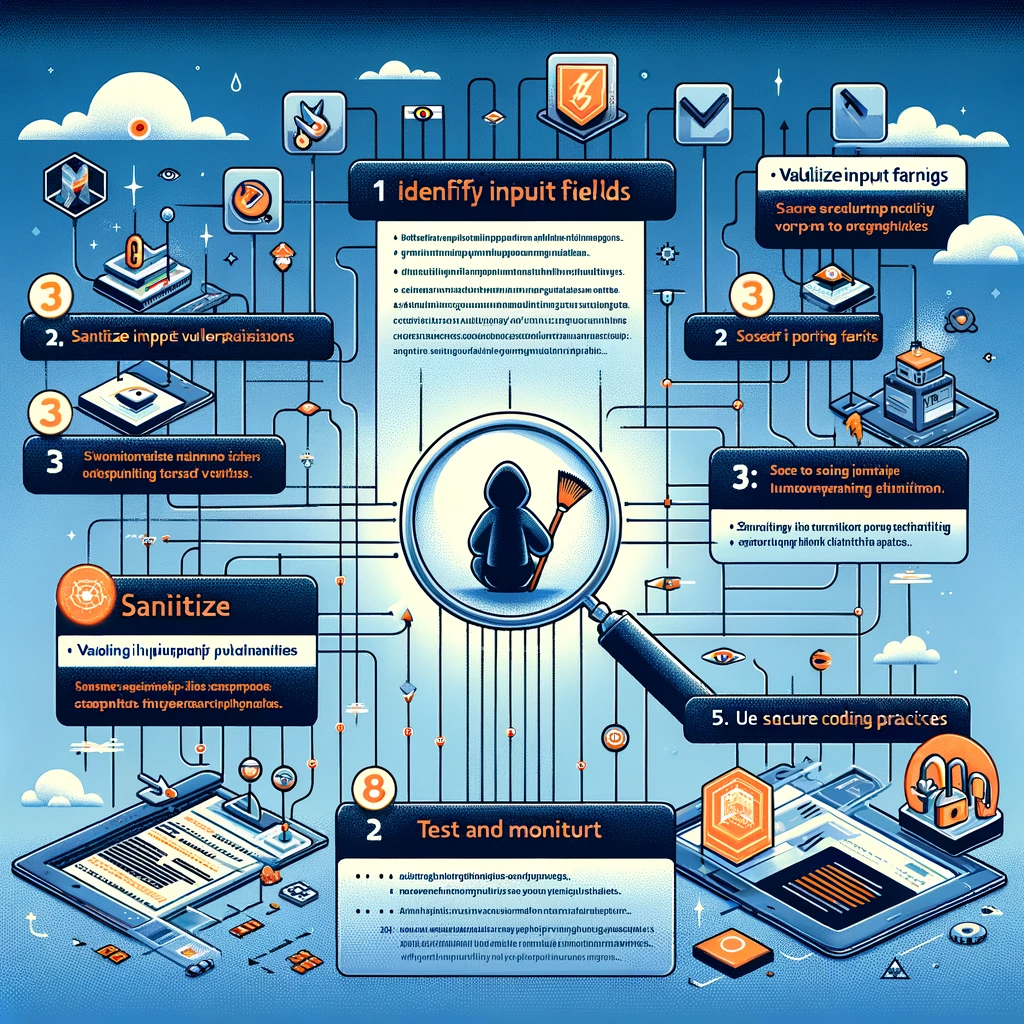
Your Personal Firewall Just Got Smarter – Thanks to Ai
Table Of Contents
- Your Personal Firewall Just Got Smarter – Thanks to Ai
- What Does a Smarter Personal Firewall Mean for Your Online Safety?
- How Can AI Enhance Your Digital Security Beyond Traditional Measures?
- Are You Aware Of the Ethical Implications Of AI In Personal Firewalls?
- How Do You Know If Your Firewall Is Keeping Up with Current Threats?
- What Story Does Your Digital Life Tell About Your Online Habits?
- How Can We Trust AI to Protect Our Private Information Effectively?
- Does Your Social Circle Feel Secure with Their Online Protections?
- Conclusion
- Other Resources
- Glossary Of Terms
- Other Questions
- Haiku
- Poem
- Checklist
What Does a Smarter Personal Firewall Mean for Your Online Safety?
In a world where our lives are intricately woven into the fabric of the digital landscape, the concept of a smarter personal firewall takes on a meaning far beyond mere pixels and code. Picture for a moment the silent guardian of your online existence, standing resolute between you and the lurking dangers of the cyber realm. Cybersecurity, once an intimidating fortress of jargon and complexity, is increasingly becoming an accessible ally in our daily lives.
Imagine for a second the flood of emotions that wash over you when you scroll through your social media feed, only to see a friend’s unfortunate experience with identity theft or a devastating data breach. It’s heartbreaking, isn’t it? We can empathize with their plight, but the prospect of a similar fate hanging over our heads is enough to send shivers down our spines. A smarter personal firewall doesn’t just bolster your defenses; it seeks to forge a connection with you, analyzing patterns and learning from your behaviors—transforming into a shield that adapts to the landscape of your unique online activities.
Let’s engage our rational minds for a moment. When we think about digital threats, it’s easy to feel overwhelmed—viruses, malware, phishing attacks. Yet, this is where a smarter personal firewall shines. It’s not just reactive; it’s proactive, utilizing sophisticated algorithms to identify emerging threats before they even reach your doorstep. Think of it as having an experienced, vigilant guard on duty 24/7, ready to leap into action when a possible risk is detected. This kind of technology empowers us to take control of our digital lives, creating a bulwark that helps us navigate the online world with both confidence and assurance.
But there’s a deeper ethical imperative at play here. As our digital footprints grow, so does our responsibility to protect ourselves and those we care about. Adopting a smarter firewall means not just looking out for number one, but fostering a culture of awareness and vigilance within our communities. We all have a role to play in this interconnected web of technology, and by enhancing our personal cybersecurity, we contribute to a safer online environment for everyone.
Let’s not forget the inherent power of connection. Sharing stories of triumph over cyber threats or discussing best practices with friends and family can create a network of support. The more we educate ourselves and each other, the stronger we all become in the face of potential peril. A smarter personal firewall serves not only as a tool for protection but as an invitation to stand together in the fight for our shared digital safety.

What Does a Smarter Personal Firewall Mean for Your Online Safety?
What Does a Smarter Personal Firewall Mean for Your Online Safety?
- The concept of a smarter personal firewall goes beyond technology, acting as a silent protector in the digital landscape.
- Experiencing stories of cyber threats, such as identity theft, can elicit empathy and a sense of vulnerability.
- A smarter personal firewall adapts to individual online behaviors, enhancing personalized protection against threats.
- It functions proactively by detecting emerging threats using advanced algorithms, rather than just reacting to past incidents.
- This technology empowers users to gain control over their digital lives and navigate online spaces with confidence.
- Adopting a smarter firewall promotes a culture of vigilance, emphasizing communal responsibility in safeguarding cybersecurity.
- Sharing experiences and knowledge about online safety fosters a supportive network, strengthening defenses against cyber threats.

What Does a Smarter Personal Firewall Mean for Your Online Safety?
How Can AI Enhance Your Digital Security Beyond Traditional Measures?
In a world where your digital life is as vital as your physical one, the stakes have never been higher. Cybersecurity isn’t just about firewalls and antivirus software—it’s about safeguarding what matters most: your memories, your communications, and yes, your very identity. As the days scroll by and our dependence on technology deepens, the question arises: how can we enhance our digital security beyond traditional measures?
Enter artificial intelligence, the powerhouse tool that holds the potential to revolutionize the way we protect ourselves online. Imagine a vigilant watchtower in the vast expanse of your digital landscape, analyzing data at lightning speed, spotting anomalies, and thwarting potential threats before they even have a chance to knock at your virtual door. This isn’t science fiction; it’s the reality we could harness through smart algorithms that continuously learn and adapt, turning the tables on cybercriminals who are always looking to exploit our vulnerabilities.
Embracing AI in your cybersecurity strategy doesn’t just make sense; it resonates emotionally. Picture the relief you’ll feel knowing that your sensitive information is being monitored by a digital guardian that never sleeps. Think about the peace of mind when you can focus on what truly matters in your life—your family, career, and hobbies—without the nagging fear of identity theft or data breaches hanging over your head. This isn’t merely about algorithms and codes; it’s about crafting a safety net that respects your life and integrity.
The ethical implications are equally compelling. We all share a responsibility to protect ourselves and our communities online. By leveraging AI, we empower ourselves to be proactive in this digital age, ensuring we’re not left behind as the landscape evolves. For businesses, it means safeguarding client trust, showing your dedication to ethical standards and priorities that extend beyond mere profit margins.
And let’s not forget the social aspect. By adopting AI-enhanced cybersecurity, you’re joining a growing wave of individuals and organizations committed to resilience in digital safety. You become part of a community that values cybersecurity not as an afterthought, but as integral to our modern lives. Together, we can transform fear into action, panic into preparation.
So don’t just wait for the next breach to wake you from your digital slumber. Equip yourself with the best tools available; embrace the AI revolution and turn your vulnerability into strength. It’s time to take charge. Your digital security deserves it.

How Can AI Enhance Your Digital Security Beyond Traditional Measures?
How Can AI Enhance Your Digital Security Beyond Traditional Measures?
- Digital life is as crucial as physical life, raising the stakes in cybersecurity.
- Cybersecurity involves more than firewalls; it protects memories, communications, and identity.
- Artificial intelligence (AI) can revolutionize online protection by analyzing data quickly and spotting anomalies.
- AI acts as a vigilant guardian, adapting to new threats to safeguard sensitive information.
- Embracing AI gives peace of mind, allowing individuals to focus on important aspects of their lives.
- Leveraging AI in cybersecurity promotes proactive defense and ethical standards for businesses.
- Adopting AI-enhanced cybersecurity builds a community committed to resilience and digital safety.

How Can AI Enhance Your Digital Security Beyond Traditional Measures?
Are You Aware Of the Ethical Implications Of AI In Personal Firewalls?
When you think about your personal firewall, what comes to mind? Perhaps a quiet digital guardian standing sentinel against the ever-looming threats in the wild, wild web? But let’s dig deeper into the heart of the matter. In the age of technology, our personal firewalls do more than just block malicious attacks—they wield unprecedented power over our digital lives. They hold the keys to our information, our privacy, and our very identities. This isn’t just a tech issue; this is personal.
So let’s face it: as we lean on technology for protection, we must also ponder the ethical dimensions of these automated systems. Who’s watching the watchmen? How do we ensure that our personal firewalls, stitched together by lines of code, don’t become a double-edged sword? The very AI designed to safeguard us could inadvertently lead us down a path of surveillance and intrusion.
Think about the stories we hear from cybersecurity experts—those voices of authority who warn us about the pitfalls of over-reliance on AI. They remind us that while this technology can effectively deter cyber threats, it can also make unilateral decisions that affect lives in ways we may not grasp. It’s a delicate balance, like walking a tightrope across a canyon of uncertainty. We must engage our heads and our hearts, fully aware of the ramifications.
This is where our ethical duty emerges. It’s not just about being savvy internet users; it’s about standing up and advocating for systems that protect our freedoms rather than encroach upon them. If the very infrastructures that shield us turn into invasive monitors, we trade a bit of safety for a significant amount of trust.
And what about the gut feeling we get when looking at new security features? Are we comfortable with the trade-offs? We’re not just numbers in a system; we’re people with lives, families, and dreams. If we want to inspire change, we need to talk openly about the risks and encourage accountability among those who design and implement these AI-driven solutions.
In an era where everyone is clamoring for a seat at the digital table, let’s make sure we’re not just passively participating. We can forge a community that prioritizes ethical conversations about technology and learns from the past. Together, we can harness the power of AI responsibly—creating a future where our digital sanctuaries truly serve us, not the other way around.

Are You Aware Of the Ethical Implications Of AI In Personal Firewalls?
Are You Aware Of the Ethical Implications Of AI In Personal Firewalls?
- Personal firewalls act as digital guardians, protecting against online threats while holding significant influence over our identities and privacy.
- The ethical implications of relying on automated systems for protection must be considered; we need to question who monitors these systems.
- AI designed for safeguarding can also lead to unintended consequences, increasing surveillance and intrusion on personal freedoms.
- Cybersecurity experts warn about the dangers of over-reliance on AI, highlighting the need for a balance between security and individual rights.
- There’s a moral obligation to advocate for technologies that enhance freedom instead of compromising it, prioritizing user trust and safety.
- Awareness of personal discomfort with new security features is important; we should openly discuss risks and demand accountability from tech developers.
- By engaging in ethical discussions about technology, we can create a community that ensures AI serves our interests, fostering responsible use and innovation.

Are You Aware Of the Ethical Implications Of AI In Personal Firewalls?
How Do You Know If Your Firewall Is Keeping Up with Current Threats?
In today’s world, where every click can unlock another door into your private life, understanding whether your firewall is up to snuff isn’t just a checkbox on your IT checklist—it’s a matter of safeguarding what you hold dear. Picture this: your data, memories, and hard-earned assets all sitting behind that digital stone wall you call a firewall. But just like a bank vault, if the locks aren’t changed regularly, you’re inviting trouble. Cybersecurity isn’t just a buzzword; it’s a lifeline.
From the outside, that firewall might look solid—thick, sturdy, and trusted. But under the surface, you need to ask yourself: Is it evolving? Are you keeping tabs on the threats lurking like shadows, waiting for an opportunity to pounce? New viruses, ransomware, and other insidious attacks come out every day; some so sophisticated they evaded detection long before your current protection even registered them as a threat. To keep your digital life safe, it’s crucial to regularly assess whether your firewall can stand guard against the staggering creativity of malevolent forces.
This isn’t merely a technical concern; it’s deeply personal. Imagine losing all your family photos, your meticulously crafted business plans, or your self-published novel to a breach that could have easily been avoided. In our ethically complex digital age, we owe it to ourselves and our community to stay vigilant. Every organization is part of a larger ecosystem, and a lapse in one area can have domino effects rippling out into the wider world. When we take cybersecurity seriously, we’re elevating the entire collective—working together to build a fortress that can stand against tremendous tides.
Look for clues that can tell you if your fortress needs an upgrade. Are your firewall’s updates current? Have you engaged with professionals who understand the ever-changing landscape of cyber threats? Perhaps lean into recommendations from trusted sources—friends, colleagues, or industry leaders who’ve faced similar challenges. Their stories of resilience and lessons learned are not just words; they’re blueprints for how we can arm ourselves better.
So, what will you choose? Will you be the guardian of your digital castle, ensuring it stands resilient against current threats? Or will you let complacency creep in, dropping your guard? The choice is yours, and in a world fraught with risk, stepping up to that challenge can make all the difference. The security of your digital life depends on it.

How Do You Know If Your Firewall Is Keeping Up with Current Threats?
How Do You Know If Your Firewall Is Keeping Up with Current Threats?
- Understanding firewall security is crucial for safeguarding personal and sensitive data.
- Just like a bank vault, firewalls need regular updates to remain effective against new threats.
- Cybersecurity is essential, with new viruses and ransomware evolving daily.
- Regular assessments of your firewall’s effectiveness are necessary to combat sophisticated attacks.
- Losing important data due to a breach can have serious personal consequences.
- Staying vigilant in cybersecurity helps protect not just individuals but the larger community as well.
- Engage with professionals and trusted sources for best practices and updates on cyber threats.

How Do You Know If Your Firewall Is Keeping Up with Current Threats?
What Story Does Your Digital Life Tell About Your Online Habits?
Your digital life is the story you’ve woven through countless interactions, post likes, and profile updates. But have you ever paused to consider what that narrative tells about your online habits? Each click and keystroke paints a picture, a mosaic of choices that shape not just your online persona but perhaps even the trajectory of your life.
When you scroll through social media, are you curating happy moments, or are you chasing validation? It’s easy to get swept away in the tide of likes and shares, but these numbers rarely reflect the depth of our experiences. They might even mask our vulnerabilities. In a world that often champions perfection, authenticity can feel like a rare commodity. But it’s in the raw, unfiltered moments—like posting your real thoughts on a bad day or sharing your struggles—that you truly connect with others.
Now, let’s get practical: your online habits can influence your opportunities far beyond the screen. Employers are increasingly digging into our digital footprints. So when you post about that wild weekend or rant about a frustrating issue, consider how those actions shape perceptions. It’s a delicate dance—between expressing yourself and understanding that the narrative you present can have real-world consequences.
Moreover, in an age where cybersecurity threats loom like a shadow, every password you use, every app you download, every Wi-Fi network you connect to can either be a stepping stone or a stumbling block. Secure your story. Protect it with the same fervor you cultivate your social connections. An ethical approach to your digital life includes not just safeguarding your own information, but instilling trust with those around you. Be a digital steward. Share tips, be mindful of what you spread and advocate for security awareness.
Ultimately, your digital story intertwines with the stories of others. When you engage ethically and consciously, you inspire those around you to do the same. It’s more than just what you post—it’s how you interact and care for your community. So take a moment. Reflect on your digital narrative. Let it become a tapestry that weaves the authenticity of your experiences with a commitment to security and connection. In doing so, the story you tell will resonate far beyond the confines of your screen, fostering a community built on trust, respect, and shared understanding.

What Story Does Your Digital Life Tell About Your Online Habits?
What Story Does Your Digital Life Tell About Your Online Habits?
- Your digital life is a narrative shaped by interactions, likes, and updates.
- Social media can mask vulnerabilities and chase validation rather than authenticity.
- Real connections often stem from sharing unfiltered moments and struggles.
- Online habits can directly influence opportunities in the real world.
- Cybersecurity is crucial; secure your digital story as you do your social connections.
- Be a digital steward by promoting security awareness and ethical sharing.
- Your online narrative impacts others and fosters community trust and understanding.

What Story Does Your Digital Life Tell About Your Online Habits?
How Can We Trust AI to Protect Our Private Information Effectively?
When it comes to trusting AI with our private information, it’s easy to feel a twinge of skepticism. After all, we’re living in a world where the headlines scream of data breaches and identity theft. But let’s take a moment to peel back that layer of fear and really consider what effective cybersecurity looks like with the aid of artificial intelligence.
Imagine for a second your child’s big game day. You’ve spent hours prepping their uniform, teaching them the skills, and cheering them on from the sidelines. Your focus is on protecting their dreams and nurturing their talents. Isn’t that what we want for our data, too? We seek a guardian that doesn’t just guard our information but actively learns and adapts to the threats lurking in the shadows. This is where AI comes into play—an unyielding champion in the ongoing battle for privacy.
Consider the necessary complexity of today’s threats. It’s like being in a game of chess where each move could be your last, and the stakes are incredibly high. AI is well-equipped to analyze and respond to patterns that may elude even the most seasoned cybersecurity professional. It brings an intelligent, calculated approach—a vigilant mind that doesn’t tire, unlike humans who can become overwhelmed with the sheer volume of data. This isn’t just efficiency; it’s a game-changer that empowers us to reclaim control over our most personal information.
Yet, beyond clever algorithms and rapid responses lies ethical responsibility. The developers behind AI-driven solutions have the massive obligation to ensure that these systems respect and protect our values. We must demand transparency and accountability, which can only be achieved through social engagement and open discourse.
Remember the last time you felt genuinely safe, perhaps watching your favorite movie snug on your couch, with the city lights twinkling in the distance? That peace of mind is what we crave in our digital landscape. So, let’s foster connections here—encouraging developers and corporations to prioritize transparency in cybersecurity efforts. By sharing our experiences and expectations, we create a dialogue that leads to improvements.
It’s through this blend of heart, head, and gut that trust can flourish. AI is evolving, and if we actively participate in shaping its trajectory, we can ensure it becomes a reliable protector of our most intimate information. It’s time to step into a future where we embrace innovation, but also hold it to a standard that champions our right to privacy.

How Can We Trust AI to Protect Our Private Information Effectively?
How Can We Trust AI to Protect Our Private Information Effectively?
- Trusting AI with private information can be challenging due to concerns over data breaches and identity theft.
- Effective cybersecurity, aided by AI, can act as a guardian that learns and adapts to threats.
- AI’s ability to analyze complex patterns makes it a powerful tool in cybersecurity, outperforming human capabilities.
- AI provides an efficient, calculated approach to data protection that can manage high volumes of information.
- Ethical responsibility is crucial; developers must ensure AI systems respect and protect users’ values.
- Transparency and accountability in AI-driven cybersecurity require social engagement and open discourse.
- Active participation in shaping AI’s development can lead to it becoming a reliable protector of personal information.

How Can We Trust AI to Protect Our Private Information Effectively?
Does Your Social Circle Feel Secure with Their Online Protections?
Picture this: A group of friends huddled around a campfire, laughter echoing under the starlit sky. Between sips of hot cocoa, conversations drift toward the unseen dangers lurking in the digital world. Cybersecurity suddenly feels less like a buzzword and more like a lifebuoy. As we weave together stories of our online misadventures, an unspoken truth emerges: we’re only as safe as the most vulnerable member of our social circle.
It’s hard to ignore the nagging feeling that perhaps someone you care about is blissfully unaware of the perils of their online habits. They might click on any link that sparks curiosity, neglecting the fact that every tap on a screen opens a door to potential threats. While we sit around that fire, hearts beating a little faster, let’s take a moment to examine our responsibility—not just to ourselves, but to those we cherish.
In this digital age, it’s not enough to be savvy alone. Sharing knowledge within your circle can transform ignorance into empowered action. Offer a quick tutorial on creating strong passwords or share a compelling article about the latest phishing scams. That small act—an investment of your time—could be the difference between a secure evening spent laughing together and a nightmare of identity theft that sends shockwaves through their life.
Let’s not downplay the emotional aspect here. We’re talking about family, friends, and the bonds that hold us together. The warmth of connection can flare into anxiety when we recognize our loved ones are out there, navigating the wild web without proper armor. For many, the digital landscape feels like a maze filled with shadows, and there’s a moral obligation to light the way.
But it’s not just about duty; it’s also about the power we wield as a community. By fostering conversations about cybersecurity, we create a culture of awareness. Imagine the relief on your friend’s face when you share that one tip that protects them from lurking threats. It’s in those moments—the heart-to-heart exchanges, the pushing back against fear—that we cultivate an environment where everyone feels secure.
So, let’s rally together, bolster our security, and weave a safety net for our social circle. Remember, cybersecurity isn’t just an individual endeavor; it’s a collective journey. When one of us rises to the challenge, we all benefit. Your proactive step today could keep the flames of trust burning brightly in your circle for years to come.

Does Your Social Circle Feel Secure with Their Online Protections?
Does Your Social Circle Feel Secure with Their Online Protections?
- Friends gather around a campfire, discussing online dangers while enjoying hot cocoa.
- Realization emerges: everyone’s safety depends on the most vulnerable member of the group.
- Awareness of loved ones’ online habits prompts a sense of responsibility.
- Sharing knowledge about cybersecurity can empower friends and family.
- Conversations about digital safety can strengthen emotional ties and alleviate anxiety.
- Fostering awareness creates a supportive community where everyone feels secure.
- Cybersecurity is a collective journey; individual efforts contribute to group safety.

Does Your Social Circle Feel Secure with Their Online Protections?
Conclusion
As we navigate the labyrinthine landscape of our increasingly digital lives, the forefront of our defense relies on smarter personal firewalls—our unwavering guardians against a host of ever-evolving cyber threats. It’s not merely a buffer; it’s a profound partnership that understands us, learns from our patterns, and anticipates dangers before they come knocking. This isn’t just about blocking unauthorized access; it’s about regaining control over our digital existence, ensuring our cherished memories and private information are shielded from the lurking shadows.
Imagine sitting down for dinner, the warmth of family surrounding you, while the anxiety of online threats fades into the background. With AI-powered firewalls at your side, that unease transforms into confidence—a peace of mind that lets you savor life’s understated joys. Each moment spent striving for meaningful connections with loved ones becomes a little brighter, unburdened by the fear of data breaches and identity theft. The stakes are real, and the consequences of neglecting our cybersecurity can be dire, but arming ourselves with innovative technology offers us a lifeline.
Yet there’s an ethical thread woven into this narrative. We are not just isolated individuals; we contribute to a broader community. By enhancing our personal cybersecurity, we cultivate an environment where everyone benefits—transforming a solitary act of protection into a collaborative, empowering experience. Our digital footprints shape not only our lives but also the lives of those around us. Sharing knowledge, supporting each other with best practices, and fostering a culture of vigilance can collectively bolster our defenses against malicious intent.
As technology continues to advance, it is not just an opportunity but a necessity to engage with it responsibly. We must demand transparency from AI systems, ensuring that these tools do not compromise our privacy while they work to protect it. Trust must be built through open dialogue, one where our voices guide the evolution of autonomous guardians.
In this interconnected world, your cautious steps today can light the way for others. It’s not merely about having the best tech; it’s recognizing that together we weave a tapestry of resilience and strength. So, let’s rally around the notion that cybersecurity is not solely an individual endeavor. As we embrace these advancements, we cultivate trust and reinforce the bonds that hold us together—transforming fear into shared vigilance in an age defined by both danger and possibility.

Conclusion
Conclusion:
- Personal firewalls serve as crucial defenses in our digital lives against evolving cyber threats.
- These firewalls are not just protective barriers but intelligent partners that learn and anticipate dangers.
- AI-powered firewalls provide peace of mind, allowing individuals to enjoy life’s moments without fear of threats.
- The significance of cybersecurity is underscored by the potential dire consequences of neglecting it.
- Enhancing personal cybersecurity fosters a community where collective knowledge and vigilance benefit everyone.
- It is essential to demand transparency and responsible use of AI systems in cybersecurity to protect privacy.
- Cybersecurity should be viewed as a collaborative effort, transforming fear into shared responsibility and resilience.

Conclusion
Other Resources

Other Resources
Here is a list of other resources you can review online to learn more:
- NetSecurity Tecnologia
- All Covered
- BAE Systems Managed Security Services
- LMNTRIX
- Radar Cyber Security
- Department of Homeland Security’s Cybersecurity and Infrastructure Security Agency
- Secuvant
- SecuAvail
- Proficio
- Root9b
- Kudelski Security
- Tech Lock
- MOE Cyberdefense
- Align Communications
- Security On-Demand
- Ascent InfoSec
- Philantech3
- Focal Point Solutions Group
- Tata Consultancy Services
Use This Prompt To Get More Resources With Your Favorite Online AI Tool: Please provide me with a list of online articles with their URLs in a bulleted list that I can read regarding Your Personal Firewall Just Got Smarter – Thanks to Ai

Other Resources
Glossary Terms
Your Personal Firewall Just Got Smarter – Thanks to Ai – Glossary Of Terms
1. AI (Artificial Intelligence): Technology that simulates human intelligence processes, enabling systems to learn and adapt.
2. Firewall: A security system designed to prevent unauthorized access to or from a private network.
3. Personal Firewall: A software application or hardware device that controls incoming and outgoing network traffic on personal devices, enhancing security.
4. Intrusion Detection System (IDS): Software that monitors network traffic for suspicious activity or policy violations.
5. Intrusion Prevention System (IPS): A security mechanism that actively blocks or prevents unauthorized access and threats.
6. Machine Learning: A subset of AI where systems learn from data and improve their performance over time without explicit programming.
7. Threat Detection: The process of identifying potential security threats in a network or system.
8. Anomaly Detection: A technique used to identify unusual patterns or behaviors that may indicate a security issue.
9. Data Encryption: The process of converting information into a code to prevent unauthorized access.
10. Zero-Day Vulnerability: A security flaw that is exploited before it is publicly known or patched by the vendor.
11. Phishing: A type of cyber-attack where attackers deceive individuals into providing sensitive information by pretending to be a trustworthy entity.
12. Malware: Malicious software designed to disrupt, damage, or gain unauthorized access to computer systems.
13. Ransomware: A type of malware that encrypts files and demands payment for access restoration.
14. VPN (Virtual Private Network): A service that creates a secure connection over the internet, enhancing privacy and security.
15. Cloud Security: A set of strategies and technologies to protect data and services hosted in cloud computing environments.
16. User Behavior Analytics (UBA): Monitoring user actions to detect insider threats or compromised accounts.
17. Vulnerability Assessment: A systematic evaluation of a system or network for security weaknesses.
18. Threat Intelligence: Information that helps organizations understand and prepare for potential cyber threats.
19. Active Defense: Proactive security measures aimed at detecting and responding to threats in real time.
20. Automated Response: Technology that automatically takes action to mitigate threats when they are detected.
21. Network Segmentation: Dividing a computer network into multiple segments to improve security and performance.
22. Access Control: Security measures that restrict access to resources based on user identities and permissions.
23. Incident Response: The process of identifying, managing, and responding to security incidents to minimize damage.
24. Digital Signature: A cryptographic method for verifying the authenticity and integrity of digital messages or documents.
25. Endpoint Security: Measures designed to protect end-user devices like computers and mobile devices from threats.
26. Security Patch: A software update that fixes vulnerabilities to enhance system security.
27. Behavior-based Security: An approach to security that relies on the detection of unusual behavior to identify threats.
28. Botnet: A network of compromised computers used by attackers to perform coordinated cyber-attacks.
29. Secure Socket Layer (SSL): A protocol for establishing a secure encrypted link between a web server and a browser.
30. Compliance: Adhering to laws, regulations, and standards designed to protect data and ensure security practices.

Glossary Of Terms
Other Questions
Your Personal Firewall Just Got Smarter – Thanks to Ai – Other Questions
If you wish to explore and discover more, consider looking for answers to these questions:
- What are the key features of AI-powered personal firewalls compared to traditional ones?
- How do AI-powered firewalls learn and adapt to new threats over time?
- What steps can individuals take to enhance their personal cybersecurity alongside using AI technology?
- How do AI personal firewalls ensure user privacy and data protection?
- What are the potential risks associated with relying on AI for cybersecurity?
- How can businesses benefit from implementing AI-enhanced personal firewalls?
- What ethical considerations should be kept in mind when using AI in cybersecurity?
- How often should personal firewalls be updated and monitored for effectiveness?
- What resources are available for individuals to educate themselves about online safety?
- How can users create a culture of cybersecurity awareness within their social circles?
- What are some common misconceptions about personal firewalls and their effectiveness?
- How does the evolution of cyber threats impact the effectiveness of personal firewalls?

Other Questions
Haiku
Your Personal Firewall Just Got Smarter – Thanks to Ai – A Haiku
Digital guardians rise,
AI fortifies our peace,
Secure hearts unite.
Haiku
Poem
Your Personal Firewall Just Got Smarter – Thanks to Ai – A Poem
In the labyrinth of our digital days,
Where information dances in a flickering haze,
Lurking shadows whisper, from every click they draw,
A need for a guardian, a steadfast digital law.
Imagine a neighbor, wise and alert,
Watching your back, where phantoms might skirt,
With AI as the sentinel at your side,
A partner in strength, in whom you can confide.
Feel the pulse of your heart, as peace takes its flight,
For each cherished moment, for every shared light,
No more the dread of a breach, of loss,
With adaptive defenses, your worries weigh less.
Yet in this embrace of technology’s might,
Echo the whispers of caution and light,
For trust is a treasure, not freely bestowed,
To navigate shadows, our ethics weode.
In a world that demands we evolve and engage,
Our tales intertwine on this vast digital stage,
Let’s gather and teach, ignite minds all around,
For each act of kindness lays deeper the ground.
Embrace the power of community’s spark,
With shared insights to guide us through dark,
As we stand together, our bonds ever-tight,
A safer tomorrow, shining ever so bright.

Poem
Checklist
Your Personal Firewall Just Got Smarter – Thanks to Ai – A Checklist
Digital Security Empowerment Checklist
1. Emotional Connection
_____ Reflect on the importance of digital security for peace of mind and well-being.
_____ Share personal stories about cyber threats and resilience with friends and family.
2. Rational Insights
_____ Research the latest cybersecurity threats and how AI can proactively combat them.
_____ Regularly assess and update your firewall and security software for optimal protection.
3. Ethical Responsibility
_____ Consider the ethical implications of technology on privacy and digital rights.
_____ Advocate for transparency and accountability among developers of AI systems.
4. Authority Engagement
_____ Follow credible cybersecurity experts and organizations for trustworthy advice and updates.
_____ Engage with professionals in cybersecurity to maintain an informed perspective on threats and protections.
5. Narrative Awareness
_____ Analyze your digital footprint: What story does it tell about your online habits?
_____ Reflect on how your online presence could impact your personal and professional opportunities.
6. Social Collaboration
_____ Discuss cybersecurity practices with your social circle and encourage knowledge sharing.
_____ Create a community of support for discussing risks and sharing effective security measures.
7. Proactive Steps
_____ Regularly update passwords and encourage others to use strong, unique passwords.
_____ Conduct cybersecurity workshops or informal sessions to educate friends and family members about safe online behaviors.
8. Situational Awareness
_____ Stay informed on current threats, ensuring your knowledge and tools are current.
_____ Encourage your circle to evaluate their cybersecurity measures, promoting a safer community.
9. Continuous Learning
_____ Invest time in learning about the latest advancements in AI-driven cybersecurity solutions.
_____ Attend webinars or online courses on digital safety practices to enhance your skills.
10. Trust Building
_____ Foster an open dialogue with your social network about digital privacy and security concerns.
_____ Build trust by sharing resources and tips that can help everyone feel safer online.
Checklist
At BestCyberSecurityNews, we help teach entrepreneurs and solopreneurs the basics of cybersecurity and its impact on their businesses by using simple concepts to explain difficult challenges.
Please read and share any of the articles you find here on BestCyberSecurityNews with your friends, family, and business associates.


