Unveiling The Deceptive Charms Of Tech-Savvy Scammers
By Tom Seest
At BestCyberSecurityNews, we help teach entrepreneurs and solopreneurs the basics of cybersecurity and its impact on their businesses by using simple concepts to explain difficult challenges.
Please read and share any of the articles you find here on BestCyberSecurityNews with your friends, family, and business associates.
How Do Scammers Make Technology Seem Like a Friend?
In today’s fast-paced digital world, technology often feels like an old friend—familiar and comforting. But what happens when that friend turns out to be a skilled trickster? The truth is, scammers have mastered the art of impersonation, turning the very devices and platforms we trust into tools of deception. They know how to press our emotional buttons and exploit our vulnerabilities, making it easy for us to let our guards down.
Imagine scrolling through your social media feed, a familiar ding from your phone alerting you about a friend in need. “Wow, they need help,” you think. What you may not realize is that a scammer has cleverly created a fake account, mirroring your friend’s profile to exploit your goodwill. It’s a classic case of manipulation, dressed up in the guise of friendship. They know that we’re more inclined to trust what we recognize, and they exploit that instinct, painting themselves as heroes in distress.
One of the most effective tactics involves cybersecurity. Scammers often deploy phishing emails that look so legitimate, they could easily pass for a trusted source. “Your account has been compromised—click here to fix it.” Sounds urgent, right? It taps into our natural instincts to protect and preserve what we have. With just a click, that friendly plea turns into a pathway for trouble, leading to data breaches and identity theft.
And the technology we use—be it smartphones, computers, or social media platforms—has become an unwitting accomplice. Think about the countless apps designed to enhance our lives but ultimately serve as a double-edged sword. Scammers exploit these tools, using them to collect personal information and disseminate their deceit. It’s frustrating, isn’t it? To think that what was built to connect us can also tear us apart.
But here’s where we can take back control. Education is our best defense. By learning to recognize the signs of scams—suspicious messages, unexpected requests for help—our once-vulnerable trust in technology transforms into a shield of confidence. Together, we can foster a community that shares knowledge and encourages vigilance against these digital deceivers.
Let’s turn the tables on these scammers. They may portray technology as a friend, but by staying informed, we can become our own best allies in the fight for security and integrity in this digital age.

How Do Scammers Make Technology Seem Like a Friend?
How Do Scammers Make Technology Seem Like a Friend?
- Technology can feel comforting but may harbor deceivers.
- Scammers expertly impersonate trusted connections, using fake accounts.
- Emotional manipulation is a key tactic in scam operations.
- Phishing emails often masquerade as urgent messages from trusted sources.
- Digital platforms, while useful, can be exploited to gather personal information.
- Education and awareness are vital in identifying and combatting scams.
- Staying informed transforms vulnerability into security in the digital realm.

How Do Scammers Make Technology Seem Like a Friend?
Table Of Contents
- How Do Scammers Make Technology Seem Like a Friend?
- How Do Scammers Use Technology To Build Trust?
- What Tactics Do Scammers Employ Online?
- How Can Social Engineering Tactics Deceive Victims?
- What Are Common Red Flags Of A Tech Scam?
- How Do Scammers Manipulate Emotions Through Technology?
- In What Ways Do Fake Personas Help Scammers?
- How Do Scammers Exploit Social Media Platforms?
- Conclusion
- Other Resources
- Glossary Of Terms
- Other Questions
- Haiku
- Poem
- Checklist
How Do Scammers Use Technology To Build Trust?
In a world where technology can connect us like never before, it’s sadly ironic that it also serves as a playground for scammers who thrive on deception. We think of the internet as a vast web of knowledge, but in the shadows lurk crafty individuals who exploit our trust and curiosity. So, let’s take a deep dive into how these con artists leverage technology to create an illusion of reliability.
Imagine you receive an email that looks as professional as your favorite brand’s newsletter. It’s design-savvy, well-written, and even greets you by name. As you scroll through, you may notice familiar logos and language that resonate with your experiences. That’s no accident. Scammers are highly skilled in mimicking authenticity. They’ll go to great lengths to replicate branding that you trust, weaving themselves seamlessly into the fabric of your everyday life. Utilizing social engineering tactics, they understand how to push emotional buttons, making you feel a sense of urgency or fear—two powerful tools in the art of persuasion.
But it doesn’t stop at emails. With the rise of social media and targeted ads, con artists can create profiles that mimic your friends or influencers you admire. They’ll engage you in conversations that feel genuine, often planting seeds of trust over weeks or even months. This gradual approach can make their ultimate ask feel less like a leap into the unknown and more like a friendly nudge from someone you know.
And here’s the kicker: these scams aren’t just run by lone actors working in a basement—many are part of sophisticated networks that employ professional-looking websites, customer service lines, and real-time chat support. It all seems so legitimate, doesn’t it? That’s precisely the point. They’ve got the tech-savvy skills to craft experiences that feel sincere, capturing your attention and trust while leaving you vulnerable.
However, while it’s easy to feel overwhelmed or suspicious, it’s essential to arm ourselves with knowledge. By understanding the techniques that scammers use to build trust, we empower ourselves with the tools of cybersecurity. Stay vigilant, question everything—even those seemingly harmless messages from “trusted sources.” The more informed we are, the harder we make it for scammers to succeed. Taking proactive steps to protect your personal information isn’t just a smart move; it’s a declaration of confidence in your ability to navigate this digital landscape safely.

How Do Scammers Use Technology To Build Trust?
How Do Scammers Use Technology To Build Trust?
- Technology connects us but also serves as a platform for scammers exploiting trust.
- Scammers mimic authentic brands through professional emails, logos, and language.
- They utilize social engineering tactics to create urgency or fear, steering emotions.
- Social media and targeted ads are used to craft fake profiles, resembling friends or influencers.
- Scams are often organized by sophisticated networks with professional websites and customer support.
- Understanding scam techniques empowers individuals to enhance their cybersecurity awareness.
- Being vigilant and informed helps protect personal information and navigate the digital landscape safely.

How Do Scammers Use Technology To Build Trust?
What Tactics Do Scammers Employ Online?
Ah, the vast landscape of the internet—a place filled with opportunity, knowledge, and, unfortunately, a fair share of deception. Just like a pitcher on a windy day, scammers throw curveballs that can easily leave you feeling out of your depth. Whether you’re a seasoned internet explorer or a newcomer digitally dipping your toes into the water, it’s crucial to be aware of the tactics these clever tricksters employ.
To start with, one of the most common tactics is social engineering. Scammers often rely on psychology, making a convincing pitch that pulls on your heartstrings or stirs up your curiosity. They might masquerade as a trustworthy friend, a government official, or even a beloved charity. Think about it—how many times have you received a message from “a friend” who’s suddenly in dire straits, needing money for a one-way ticket out of trouble? A little bit of emotional manipulation can go a long way in making you question your instincts, all in the name of making that vital connection.
Then there’s the classic phish. You’ve seen those emails that look like they’re coming straight from your bank or a reputable service you use. They create a sense of urgency—“Your account will be locked!”—and rush you into action before you have a chance to slow down and scrutinize the email’s authenticity. The goal? To get you to click that link and enter your sensitive information faster than you can say “Cybersecurity.”
Another tactic worth noting is the sweetheart scam. This doesn’t just apply to your typical con artist on the street corner; these charming rogues know how to win you over online through dating platforms, captivating your heart before emptying your wallet. They cultivate relationships through heartfelt messages and promises, drawing you in as they subtly start to extract funds, all while maintaining an air of sincerity.
In this digital age, where scams are as ubiquitous as cat memes, the most powerful weapon in your arsenal is awareness. Knowing how criminals operate and recognizing the signs can empower you to protect yourself. Rely on your instincts; if something feels off, it probably is. So next time you find yourself staring at an unfamiliar message or email, take a moment. Step back, breathe, and consider whether it’s the real deal or just another smooth-talking scam artist trying to reel you in. Protecting yourself online is a necessity; make it a priority.

What Tactics Do Scammers Employ Online?
What Tactics Do Scammers Employ Online?
- The internet offers opportunities but also presents risks such as deception and scams.
- Scammers often use social engineering techniques, exploiting emotions to manipulate victims.
- Phishing attacks involve fake emails that appear legitimate, creating urgency to prompt hasty actions.
- Sweetheart scams involve scammers building online relationships to extract money from victims.
- Awareness of common scams and tactics is essential for online safety and protection.
- Trust your instincts; if something seems off, take a moment to evaluate its authenticity.
- Prioritize protecting yourself online by staying informed and vigilant against potential scams.

What Tactics Do Scammers Employ Online?
How Can Social Engineering Tactics Deceive Victims?
We’ve all heard the saying, “If you’re not part of the solution, you’re part of the problem.” In today’s digital world, that adage couldn’t ring truer, especially concerning cybersecurity. While we bustle through our daily lives, the internet has become a breeding ground for manipulative tactics that can easily ensnare the unsuspecting. Social engineering is at the heart of this underhanded game, and its effectiveness often stems from its uncanny ability to feel personal.
Imagine this: you receive an urgent email that looks like it’s from your bank, warning you of suspicious activity on your account. Your pulse quickens, and in that moment, your logical thinking takes a back seat to urgency. The email is expertly crafted, complete with the right logos and a familiar tone, making it hard to instinctively question its authenticity. Without a second thought, you might click that link, offering up sensitive information that a seasoned hacker can’t wait to snatch up.
That’s the crux of social engineering—it preys on our instincts. Whether it’s a friendly phone call from someone claiming to be from technical support or a message from a “colleague” asking for a quick favor, the goal is always the same: to gain your trust and exploit it. These perpetrators understand human psychology better than most of us, manipulating emotions like fear, urgency, and even sympathy. It’s a game of wit and guile, and the stakes can be incredibly high.
But here’s the good news: awareness is your secret weapon. Understanding these tactics empowers you to spot the fakes before they can do any real harm. Take a moment to breathe when you feel that rush of urgency. Verify the source of any unexpected contact, and never, ever let your guard down, no matter how friendly the approach looks. Cybersecurity isn’t just the responsibility of IT departments or tech-savvy individuals; it’s a collective effort that starts with each of us.
In a world where deceit can feel overwhelmingly sophisticated, remember: the best defense is a well-informed public. By arming yourself with knowledge and a healthy skepticism, you’re not just protecting yourself; you’re standing guard over the wider community too. So take that extra minute to question, verify, and resist the impulse to act hastily. It could save you—and countless others—from a world of hurt.

How Can Social Engineering Tactics Deceive Victims?
How Can Social Engineering Tactics Deceive Victims?
- The saying “If you’re not part of the solution, you’re part of the problem” is especially relevant in cybersecurity today.
- Social engineering exploits personal instincts, using manipulative tactics to ensnare unsuspecting individuals.
- Urgent and convincing emails, such as those appearing to be from banks, can lead to the theft of sensitive information.
- Perpetrators use human psychology, manipulating emotions like fear and urgency to gain trust and exploit it.
- Awareness of these tactics is crucial; it helps individuals spot scams before they can inflict harm.
- Cybersecurity is a collective responsibility, requiring vigilance from everyone, not just IT departments.
- Knowledge and skepticism serve as defenses, enabling individuals to protect themselves and their communities effectively.

How Can Social Engineering Tactics Deceive Victims?
What Are Common Red Flags Of A Tech Scam?
Look, we live in a world that’s powered by tech—it’s in our pockets, our cars, and even our homes. But with all that convenience comes a few unsavory characters lurking in the shadows, waiting to pounce. So how do you spot a tech scam before it bites? Let’s dive into some common red flags that should send you running in the other direction.
First up, unsolicited communications. If you receive an email, text, or phone call from someone claiming to be from a well-known company, asking for personal information, you might want to raise an eyebrow. Legitimate organizations generally don’t make contact that way. And if they do, they’re not going to ask you for your passwords or social security number over the phone. Remember, your cybersecurity is your first line of defense—be suspicious!
Another classic red flag is the urgency tactic. Scammers thrive on panic and pressure. Ever received a message that claims you must act now to prevent account suspension or worse? Take a step back. Authentic organizations don’t engage in scare tactics. If they’re putting you in a corner, it’s likely a setup.
Next on the list is the deal that’s too good to be true. Picture it: a deal so attractive, so unbelievable, that it seems like a dream come true. You get a premium subscription for half the price or limited-time offers that no reasonable person can resist. If it sounds excessive, it usually is. That’s one of those classic traps designed to lure you in, potentially paving the way to losing your hard-earned cash—or worse, your identity.
When you do find yourself needing tech support, beware of those who insist on remote access to your device. If they don’t work for a company you trust, think twice. Genuine support teams will never pressure you into granting access to your system without thorough verification.
Lastly, don’t ignore those gut feelings. Trust your instincts! If something feels off, it probably is. Doing a quick online search about the company or contacting them directly can save you countless headaches down the line.
So, there you have it—some common red flags to keep your cybersecurity intact. Arm yourself with knowledge and take a proactive approach. Scams flourish in ignorance, but awareness is your best tool. Stay vigilant, keep your wits about you, and let’s outsmart those tech scams together.

What Are Common Red Flags Of A Tech Scam?
What Are Common Red Flags Of A Tech Scam?
- Tech is integrated into daily life, but it comes with potential scams.
- Beware of unsolicited communications asking for personal information.
- Urgency tactics used by scammers create panic; legitimate companies don’t pressure you.
- Be skeptical of deals that seem too good to be true; they can be traps.
- Exercise caution when tech support requests remote access to your device.
- Trust your instincts; if something feels wrong, investigate further.
- Stay informed about common red flags to protect your cybersecurity effectively.

What Are Common Red Flags Of A Tech Scam?
How Do Scammers Manipulate Emotions Through Technology?
Let’s face it, we live in a digital world that seems more connected yet more isolated than ever. In this age of smartphones and social media, it’s easy to think we’re navigating a safe landscape. But lurking beneath the surface are individuals who prey on our feelings, using technology as their weapon of choice. They’re manipulators, and they know how to tug at those heartstrings, often before we even realize it.
Think about the last time you encountered a heartwarming story on social media. A rescue animal finding a loving home, a viral fundraiser for a struggling family—these narratives pull us in, triggering our empathy and goodwill. Scammers exploit this emotional terrain like seasoned puppeteers. Just like that unexpected roadblock in a well-planned journey, they blindside us with messages designed to evoke compassion, urgency, and fear. “Your urgent donation could save a child’s life,” or “Act fast; your account has been compromised!” They spin tales so convincing that even the most skeptical among us can find ourselves caught in their web.
And that’s not all. The language they use is carefully crafted to bypass our rational defenses. Their words drip with desperation, painting pictures that tug at our innate desire to help others. By the time we reach for our wallet or click on that “emergency” link, it’s too late. They’ve turned our own compassion into their currency.
Now, while feeling compassion is a beautifully human trait, it’s essential to blend that with a healthy dose of skepticism. This is where knowledge of cybersecurity comes into play. Becoming familiar with the signs of a scam can be empowering. It gives you back control in a world that often feels like it’s spinning out of it. When you understand how these emotional manipulations work, you can protect yourself and others from becoming victims.
So, what can you do? Start by questioning the narratives that hit you hardest. Pause before jumping into action, and dig a little deeper—verify the source, check for legitimacy, and use resources at your disposal. Encourage friends and family to do the same. Together, we can create a buffer against manipulation, making our digital landscape safer for everyone. It’s not just about protecting yourself; it’s about fostering a community that values trust and transparency over deception.

How Do Scammers Manipulate Emotions Through Technology?
How Do Scammers Manipulate Emotions Through Technology?
- Digital world is increasingly connected yet isolating.
- Scammers manipulate emotions using technology to prey on individuals.
- Heartwarming narratives on social media can be used to exploit empathy.
- Scammers use urgent and desperate language to bypass rational defenses.
- Awareness of cybersecurity is crucial for recognizing scams.
- Question emotionally charged narratives and verify sources before acting.
- Encourage a community focus on trust and transparency to combat manipulation.
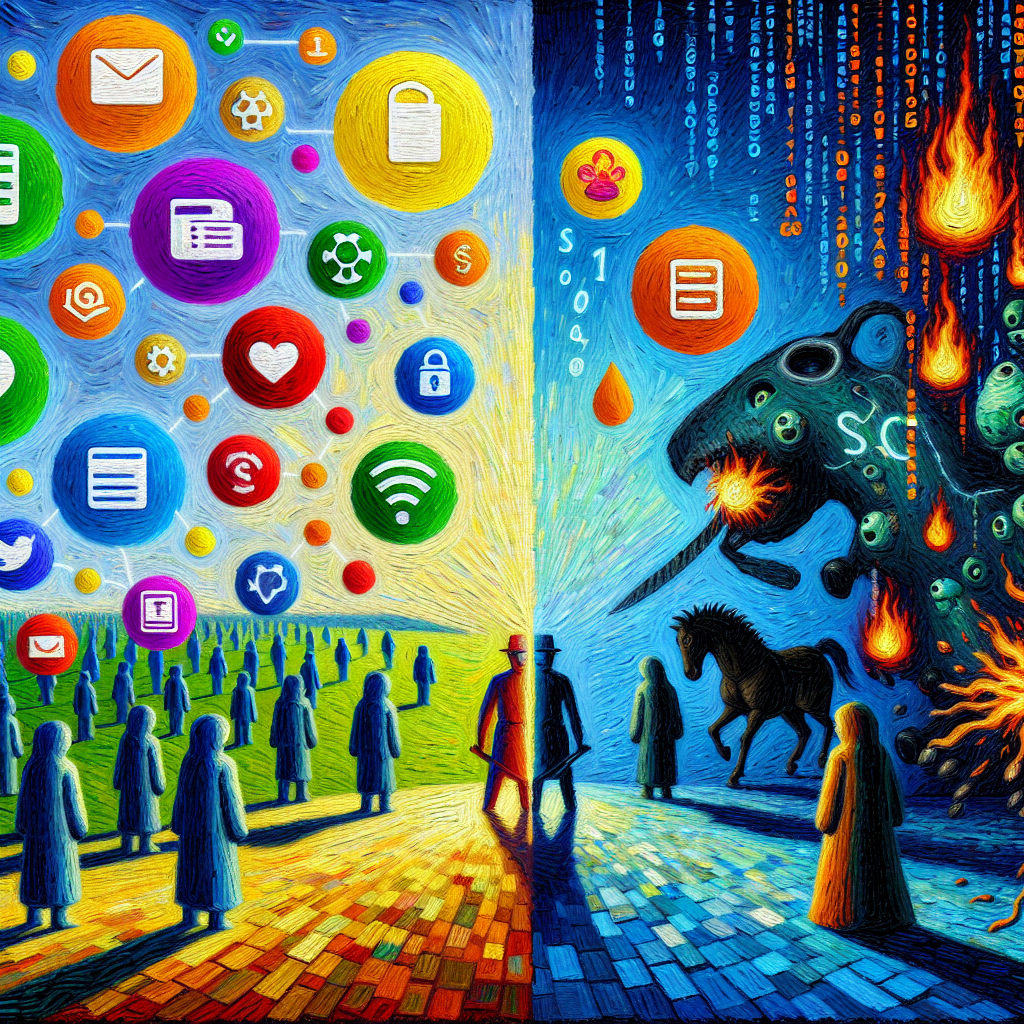
How Do Scammers Manipulate Emotions Through Technology?
In What Ways Do Fake Personas Help Scammers?
Let’s face it—the internet can feel like a vast ocean, sometimes calm, sometimes stormy, but always full of mystery. Within those depths lurks a range of nefarious characters, many of whom are skilled at pretending to be someone they’re not. At the heart of their deceit lies the creation of fake personas, and these disguises are invaluable in the world of scams.
Imagine you’re scrolling through social media, sipping your morning coffee, and you come across a profile that seems a bit too polished. The charming photos, the captivating stories, and the seemingly genuine interaction—it’s enough to reel anyone in. Scammers use these crafted identities to build trust and create a facade that makes their intentions less obvious. By leveraging a fake persona, they can easily sidestep the innate skepticism we often have when engaging with strangers online.
For instance, a scammer might pose as a military officer stationed overseas, complete with a sympathetic story about needing money for an essential personal matter. This fosters an emotional connection that makes it harder for the victim to recognize the risk. It’s a classic manipulation tactic—scam artists tap into our compassion, our sense of duty, and, sometimes, our loneliness. Who among us hasn’t felt that urge to help someone in distress?
Cybersecurity experts often emphasize the importance of being skeptical of online interactions, but that’s easier said than done when faced with a well-crafted narrative. These fake personas are designed to bypass our defenses, making us forget to question the authenticity of what we see. In the rush of our daily lives, we may overlook red flags, confused by the blending of the digital and the genuine.
That’s why it’s crucial to stay informed and vigilant. A little bit of skepticism can go a long way. Verify through multiple channels; don’t engage with high-pressure tactics; and remember that a person who genuinely needs help will understand if you take time to assess the situation.
It’s about empowering ourselves, fostering a culture of awareness, and connecting with our communities to ensure we’re not just collectively riding the waves—rather, we’re steering our own ships. When we educate ourselves about these tactics, we can better protect not just ourselves, but also those we care about. Every act of caution helps fortify our collective cybersecurity. So, the next time you connect with that charming stranger online, take a moment. Are you seeing the real person, or just another wave in that ocean of deceit?

In What Ways Do Fake Personas Help Scammers?
In What Ways Do Fake Personas Help Scammers?
- The internet is likened to a vast ocean, full of mystery and potential dangers.
- Scammers often create fake personas to deceive others and gain trust.
- These crafted identities can distract victims from recognizing red flags in online interactions.
- Scam tactics may include emotional manipulation, such as posing as military personnel in distress.
- Cybersecurity experts emphasize the need for skepticism in online communications.
- Staying informed and vigilant is crucial; verify through multiple channels and avoid high-pressure situations.
- Fostering a culture of awareness can help protect ourselves and our communities from scams.

In What Ways Do Fake Personas Help Scammers?
How Do Scammers Exploit Social Media Platforms?
Ah, social media—the digital playground where we share cat videos, vacation snapshots, and triumphant dinner pics. It’s a space of connection, laughter, and, let’s be honest, a touch of escapism. But lurking beneath this glossy surface is a darker truth: social media is a prime hunting ground for scammers. You might think it could never happen to you, but trust me, it can, and it does.
Every time you click ‘like’ on a post or follow a trendy influencer, you become part of a sea of data just waiting to be fished. Scammers utilize this very vulnerability, casting their nets wide in hopes of reeling in unsuspecting victims. They don’t just operate in the shadows; they engage with users in plain sight, presenting themselves as trustworthy peers or even as professionals who appear to hold the keys to your latest obsession—whether it’s a flashy gadget, an investment opportunity, or something as simple as a fantastic online deal.
Take a moment to think about it: Have you ever clicked on a link claiming you’ve won a fabulous prize? Or followed a mysterious account promising a “limited-time offer”? What starts as an innocent interest can quickly become a tangled web of deception, leading to everything from data theft to financial loss. Each click can chip away at your cybersecurity, but knowing how to navigate these waters can empower you.
Engage with your friends and family about the risks, create a support network where you can share experiences and strategies. Awareness is the best armor against deception. Remember, scammers are like the magician on stage, expertly directing your attention away from their sleight of hand. They’re banking on your curiosity, your trust, and sometimes, your need for validation.
So, let’s take a stand together. Familiarize yourself with red flags: misspellings in posts, unsolicited friend requests, vague or overly enticing offers. Learn to scrutinize every “too good to be true” scenario—because often, it is. The more you educate yourself and share your findings with others, the better equipped we’ll all be to face the digital world.
In the great game of life, let’s not be pawns on a scammer’s chessboard. Let’s claim our power—because knowledge is the best defense, and trust is worth protecting.

How Do Scammers Exploit Social Media Platforms?
How Do Scammers Exploit Social Media Platforms?
- Social media serves as a platform for sharing and connection but hides dangers like scams.
- Users become part of a data pool that scammers exploit to find unsuspecting victims.
- Scammers project trustworthiness, posing as peers or professionals with enticing offers.
- Clicking on dubious links or offers can lead to data theft and financial loss.
- A proactive approach includes discussing risks with friends and creating support networks.
- Recognize red flags: misspellings, unsolicited requests, and overly appealing offers.
- Educating oneself and sharing knowledge can help everyone navigate the digital landscape safely.

How Do Scammers Exploit Social Media Platforms?
Conclusion
In the age of technology, where smartphones and social media reign supreme, it’s fascinating—and frankly concerning—to witness how these tools, which should serve as bridges in our human experience, can instead become conduits for deception. Scammers have capitalized on our trust in technology, transforming our devices into deceptive “friends” that lure us into a false sense of security. These tricksters are masters of manipulation, employing strategies that play on our emotions and vulnerabilities. With every ping of a notification or every carefully crafted email that resembles our bank’s correspondence, they set the stage to pull us in, leaving us wide open for exploitation.
Picture this: you’re scrolling through a social media feed only to stumble upon a frantic message from a “friend” in distress, or perhaps you receive an email that appears to be from a legitimate source urging you to act now to protect your information. By the time you realize it’s a scam, the damage may have already been done. This process of creating fake personas and exploiting emotional triggers—fear, urgency, and sympathy—forms the backbone of their operations. Scammers know that a strong emotional appeal can cloud our judgment, and in our rush to help or react, we often overlook the red flags.
But it’s not all doom and gloom. Awareness is our strongest ally in this digital battlefield. By arming ourselves with knowledge about common scam tactics—such as unsolicited communications, high-pressure pitches, or unbelievable offers—we can train ourselves to be more discerning. Implementing a culture of skepticism will serve us well, reminding us that it’s always okay to take a step back before we act. Encouraging open discussions about these risks within our communities, staying informed about the latest scams, and asking questions will fortify our defenses against these digital tricksters.
So, let’s not allow these cyber con artists to turn our connection into isolation. Join together, empower each other with knowledge, and transform that innate trust in technology into a shield. We’ll develop a collective resilience, continuously reminding ourselves that in this digital age, just because something looks friendly, doesn’t mean it is. If we stay vigilant and informed, we can mitigate the risk and turn the tables on those who would exploit our good nature. In the face of deception, educating ourselves and sharing insights will ultimately allow us to navigate the digital landscape, not as pawns, but as empowered individuals.

Conclusion
Conclusion:
- Smartphones and social media have transformed into tools that can facilitate deception rather than genuine connection.
- Scammers utilize technology to manipulate trust, crafting deceptive communications that appear credible.
- Emotional tactics, such as fear and urgency, are commonly employed to exploit vulnerabilities in individuals.
- Recognizing scams can be challenging as they often mimic legitimate messages, leading to quick but regrettable actions.
- Awareness and education about common scamming tactics can enhance individual defenses against deception.
- Open discussions in communities about scams and the promotion of a skeptical mindset can aid in fostering resilience.
- Staying informed and vigilant transforms trust in technology into a protective strategy against potential exploitation.

Conclusion
Other Resources

Other Resources
Here is a list of other resources you can review online to learn more:
- Blue Line Technologies
- Safeway
- US itek
- CybrHawk
- Decypher Technologies
- SecuAvail
- Armadillo Managed Services
- Sheridan Computers
- CyberCX
Use This Prompt To Get More Resources With Your Favorite Online AI Tool: Please provide me with a list of online articles with their URLs in a bulleted list that I can read regarding How Do Scammers Make Technology Seem Like a Friend?

Other Resources
Glossary Terms
How Do Scammers Make Technology Seem Like a Friend? – Glossary Of Terms
1. Scam: A fraudulent scheme designed to con individuals into giving away money or personal information.
2. Phishing: A technique used by scammers to trick individuals into revealing sensitive information by impersonating legitimate entities in electronic communications.
3. Social Engineering: The manipulation of individuals into divulging confidential information by building trust, often using emotional appeals.
4. Identity Theft: The illegal use of someone else’s identity, usually for financial gain, typically facilitated through technology.
5. Catfishing: The act of creating a fake online persona to lure individuals into a relationship for various ulterior motives.
6. Pretexting: A form of deception where a scammer creates a fabricated scenario to obtain personal information from the target.
7. Online Grooming: The process by which a scammer builds trust with a victim online, often leading to exploitation.
8. Malware: Malicious software designed to disrupt, damage, or gain unauthorized access to computer systems or personal data.
9. Spoofing: The act of disguising a communication or identity to make it appear as though it comes from a trusted source.
10. Bot: A software application that runs automated tasks over the internet, often used by scammers to spread misinformation or engage with victims.
11. Deepfake: Artificial intelligence-generated content that mimics real people’s behavior or speech, often used in scams to enhance credibility.
12. Trojans: A type of malware that disguises itself as legitimate software but is designed to steal data or harm the system.
13. Recognition Bias: The tendency of individuals to trust familiar patterns or information, which scammers exploit by using recognizable logos or formats.
14. Emotional Manipulation: Tactics used by scammers to evoke strong emotional responses (like fear, love, or urgency) to influence decision-making.
15. Bait-and-Switch: A deceptive tactic where a scammer advertises a desirable product or service to lure victims but then offers something of much less value.
16. Fraudulent Reviews: Fake online reviews created to mislead consumers into trusting a product or service, often used to sell scams.
17. Instant Gratification: A psychological principle wherein individuals desire immediate rewards, making them more susceptible to scams that promise quick returns.
18. Compromise: A breach of security leading to unauthorized access to personal information, often resulting in identity theft or financial loss.
19. Digital Footprint: The trail of data left by users on the internet, which scammers analyze to tailor their approaches to potential victims.
20. Scare Tactics: Methods used by scammers to instill fear in victims, often to compel them to act quickly without critical thinking.
21. Spear Phishing: A targeted form of phishing aimed at specific individuals or organizations, making the scam more believable.
22. Imposter Syndrome: A psychological pattern in which individuals doubt their accomplishments, which can be exploited by scammers to build false authority.
23. Echo Chamber: A situation where beliefs are reinforced through repeated exposure to similar ideas, which can heighten vulnerability to scams.
24. Credibility Gap: A perceived lack of trustworthiness, often manipulated by scammers to appear more relatable.
25. Trust Signal: Indicators that a website or communication is legitimate, which scammers mimic to gain credibility.
26. Deceptive Design: User interface strategies that lead individuals toward making unintended choices, often used in scam websites.
27. Cognitive Dissonance: The mental discomfort experienced when holding conflicting beliefs, which scammers exploit to confuse and manipulate victims.
28. Proxy: A server or system that acts as an intermediary between a user and the internet, which scammers may use to hide their true identity.
29. Virtual Reality (VR): Immersive technology that can be used to create deceptive experiences, making scams more engaging and believable.
30. Blockchain Fraud: Scams related to cryptocurrency transactions that exploit the technology’s complexity to mislead potential investors.

Glossary Of Terms
Other Questions
How Do Scammers Make Technology Seem Like a Friend? – Other Questions
If you wish to explore and discover more, consider looking for answers to these questions:
- What specific tactics do scammers use on social media platforms?
- How can I verify the authenticity of a friend’s request for help online?
- What are the best practices for creating strong passwords to protect against scams?
- Can technology companies do more to prevent scams on their platforms?
- What legal actions can victims of scams take against scammers?
- How can I report a suspected scam to the authorities or tech companies?
- What role do online communities play in raising awareness about scams?
- How do scams differ by industry or type of technology used?
- What resources are available for educating myself and others about online scams?
- What are some real-life examples of successful scams and their consequences?

Other Questions
Haiku
How Do Scammers Make Technology Seem Like a Friend? – A Haiku
Scammers in disguise,
Crafted tales mask their true aims—
Trust fades, knowledge shines.

Haiku
Poem
How Do Scammers Make Technology Seem Like a Friend? – A Poem
In the Digital Shadows, Trust’s Betrayal
In a world where clicks and likes collide,
Technology serves as both friend and guide,
Yet within this web of comfort, spun tight,
Lurks a trickster, cloaked in digital light.
Like a familiar face at the edge of the screen,
Scammers weave tales, both cunning and keen,
They mimic the voices of those we hold dear,
Manipulating trust, igniting our fear.
“Urgent! Your account is compromised!” they cry,
With polished emails that draw a wary sigh,
They know the sweet tug of compassion’s embrace,
Shrouding deception in a friendly face.
Beware the fake tales spun on social threads,
Where friendships are forged but lead to dread,
A heartfelt plea, a need for a loan,
In the guise of a friend, they set the tone.
A sweet promise offered, so tempting and bright,
Yet, behind the façade, lurks darkness and spite,
Phishing hooks dangle with urgency’s bait,
To snatch up our data, to seal our fate.
But knowledge is power, our strongest defense,
To question, to pause—practice common sense.
When the red flags wave, let your instincts prevail,
In the face of deceit, do not let trust frail.
So let us gather, a community strong,
Share tales of caution, where we all belong,
For in this vast ocean where dangers drift wide,
Together we stand, and in knowledge, we bide.
In the midst of connection, let vigilance thrive,
For the heart of technology should keep us alive,
Let not the dear bonds that we cherish and hold,
Fall prey to deception; let our courage be bold.

Poem
Checklist
How Do Scammers Make Technology Seem Like a Friend? – A Checklist
Checklist: Staying Safe in the Digital World _____ Tips to Combat Scammers
Use this checklist to guard against technological deception and enhance your online safety.
General Awareness
_____ Stay Informed: Keep up-to-date on the latest scams and tactics used by scammers.
_____ Trust Your Instincts: If something feels off, take a moment to verify before reacting.
Recognizing Red Flags
_____ Unsolicited Communications: Be suspicious of unexpected messages, calls, or emails requesting personal information.
_____ Urgency Tactics: Look out for messages that create a false sense of urgency, pressuring you to act quickly.
_____ Unbelievable Deals: Be cautious with “too-good-to-be-true” offers. If it sounds excessive, it usually is.
_____ Remote Access Requests: Don’t grant remote access to your device to individuals or companies you don’t completely trust.
Online Interactions
_____ Verify Sources: Always check the authenticity of messages or offers, especially those from unknown contacts or organizations.
_____ Question Friend Requests: Be wary of unknown profiles that seem too polished or familiar; they could be impersonators.
_____ Engagement in Conversations: Approach online conversations with skepticism, particularly with individuals who ask for money or personal assistance.
Email Safety
_____ Check for Phishing Attempts: Look for odd email addresses, misspellings, or unusual requests in emails that appear to be from legitimate sources.
_____ Hover Before You Click: Always hover over links to see the actual URL before clicking.
Social Media Vigilance
_____ Be Cautious with Personal Information: Limit what you share online. Scammers may use this data against you.
_____ Monitor Friend Activity: If you receive suspicious messages from friends, verify with them directly through a different communication channel.
Emotional Manipulation Awareness
_____ Recognize Emotional Triggers: Be mindful of messages that evoke strong emotions like fear, compassion, or urgency.
_____ Pause Before Acting: When you feel compelled to act swiftly, take a step back to assess the situation.
Community Support
_____ Share Knowledge: Discuss findings and experiences related to online scams with friends and family to foster awareness.
_____ Report Scams: If you encounter a scam, report it to the appropriate authorities to help protect others.
Additional Safeguards
_____ Use Multi-Factor Authentication: Enable multi-factor authentication on all accounts for an added layer of security.
_____ Regularly Update Passwords: Change passwords frequently and use unique passwords for different accounts.
_____ Educate Yourself on Security: Consider taking courses or reading materials on cybersecurity to improve your knowledge.
By following these guidelines and staying vigilant, you can better protect yourself from the deceptive charms of tech-savvy scammers and enjoy a safer digital experience.

Checklist
At BestCyberSecurityNews, we help teach entrepreneurs and solopreneurs the basics of cybersecurity and its impact on their businesses by using simple concepts to explain difficult challenges.
Please read and share any of the articles you find here on BestCyberSecurityNews with your friends, family, and business associates.