Beware: Uncovering Senior Scams
By Tom Seest
At BestCyberSecurityNews, we help teach entrepreneurs and solopreneurs the basics of cybersecurity and its impact on their businesses by using simple concepts to explain difficult challenges.
Please read and share any of the articles you find here on BestCyberSecurityNews with your friends, family, and business associates.
Have We Overlooked The Warning Signs Of Scams Targeting Seniors?
The Hidden Dangers: Unmasking Senior Scams
In our rush to celebrate the wisdom age brings, we often forget that the world can be a treacherous place for our elders. Picture your parents or grandparents, sitting in their favorite chairs, reminiscing over cherished memories. Now imagine outside forces lurking like shadows, ready to exploit their vulnerabilities. Astounding, isn’t it?
The advent of technology has opened up a new playground for scammers, transforming simple tactics into sophisticated cyber traps. Cybersecurity is no longer just a buzzword tossed around in tech circles; it’s a critical line of defense for our seniors. Yet, while we’re busy applauding the growth spurt in tech, we overlook the fact that many older adults didn’t grow up with the same digital fluency that many of us take for granted.
Think about the countless calls claiming to be from the IRS, or emails featuring bizarre offers too good to be true. These aren’t merely annoyances; they’re treacherous entanglements woven into the fabric of a trusting mind. Unfortunately, many seniors grew up in a time when trust was a way of life, not a gamble. So, it becomes our duty to step into that space and shine a light on the warning signs.
Let’s connect this back to our own families—for many of us, grandma’s secret cookie recipe is as cherished as her stories. But wouldn’t we feel a knot in our stomachs if we discovered she had inadvertently shared her personal information because of a slick scam? Conversations about cybersecurity aren’t just helpful; they’re necessary. We need to equip our seniors with the knowledge to fend off the dark forces preying on their naivete.
Let’s talk about it. Let’s foster those discussions around the dinner table or during sloppy family game nights. How about setting up a family cybersecurity day? We could walk through common scams, share personal stories, and transform apprehension into empowerment. By taking action together, we can inspire trust and confidence in their ability to navigate this complex digital landscape.
In a world buzzing with communication, we can ensure our seniors are not only included but also protected. It’s about standing together as a family, broadening our understanding, and reclaiming the joy of connection—without the shadow of exploitation hovering nearby. Only together can we cast out the phantoms of fraud and ensure that the wisdom of our elders is honored, not exploited.

Have We Overlooked The Warning Signs Of Scams Targeting Seniors?
Have We Overlooked The Warning Signs Of Scams Targeting Seniors?
- Senior citizens are often vulnerable to scams, which can exploit their trusting nature.
- The rise of technology has created sophisticated cyber traps that target older adults.
- Many seniors lack the digital fluency needed to identify and avoid scams.
- Common scams include fake IRS calls and unbelievable offers via email.
- Families should engage in discussions about cybersecurity to empower seniors.
- Organize family events focused on educating seniors about common scams.
- By working together, families can protect seniors and honor their wisdom.

Have We Overlooked The Warning Signs Of Scams Targeting Seniors?
Table Of Contents
- Have We Overlooked The Warning Signs Of Scams Targeting Seniors?
- What Are The Common Types Of Scams Targeting Seniors?
- How Can Seniors Identify Potential Scams?
- What Are The Warning Signs Of A Scam?
- How Do Scammers Manipulate Seniors Emotionally?
- Why Are Seniors Particularly Vulnerable To Scams?
- What Steps Should Seniors Take To Protect Themselves?
- How Can Family Members Help Prevent Scams Targeting Seniors?
- Conclusion
- Other Resources
- Glossary Of Terms
- Other Questions
- Haiku
- Poem
- Checklist
What Are The Common Types Of Scams Targeting Seniors?
When it comes to the world of scams, there’s no shortage of tricksters lurking in the shadows, waiting for an opportunity to exploit the unsuspecting. Unfortunately, seniors are often prime targets—people who have worked hard their whole lives, accumulated savings, and perhaps have a trusting nature that puts them at risk. Understanding the most common types of scams, however, is the first step toward protection against these cybersecurity threats.
One of the most prevalent tactics employed by scammers is the classic “telephone scam,” where fraudsters pose as government agents or tech support. Picture your parents, just trying to navigate their day, and suddenly receiving a call claiming that their Social Security number has been compromised. It’s alarming, isn’t it? Many seniors feel pressured to respond quickly, especially when the threat seems urgent. In these moments, a little knowledge can go a long way. Remind them to hang up the phone and reach out directly to the proper authorities or agencies. No legitimate representative is going to threaten or pressure anyone over the phone.
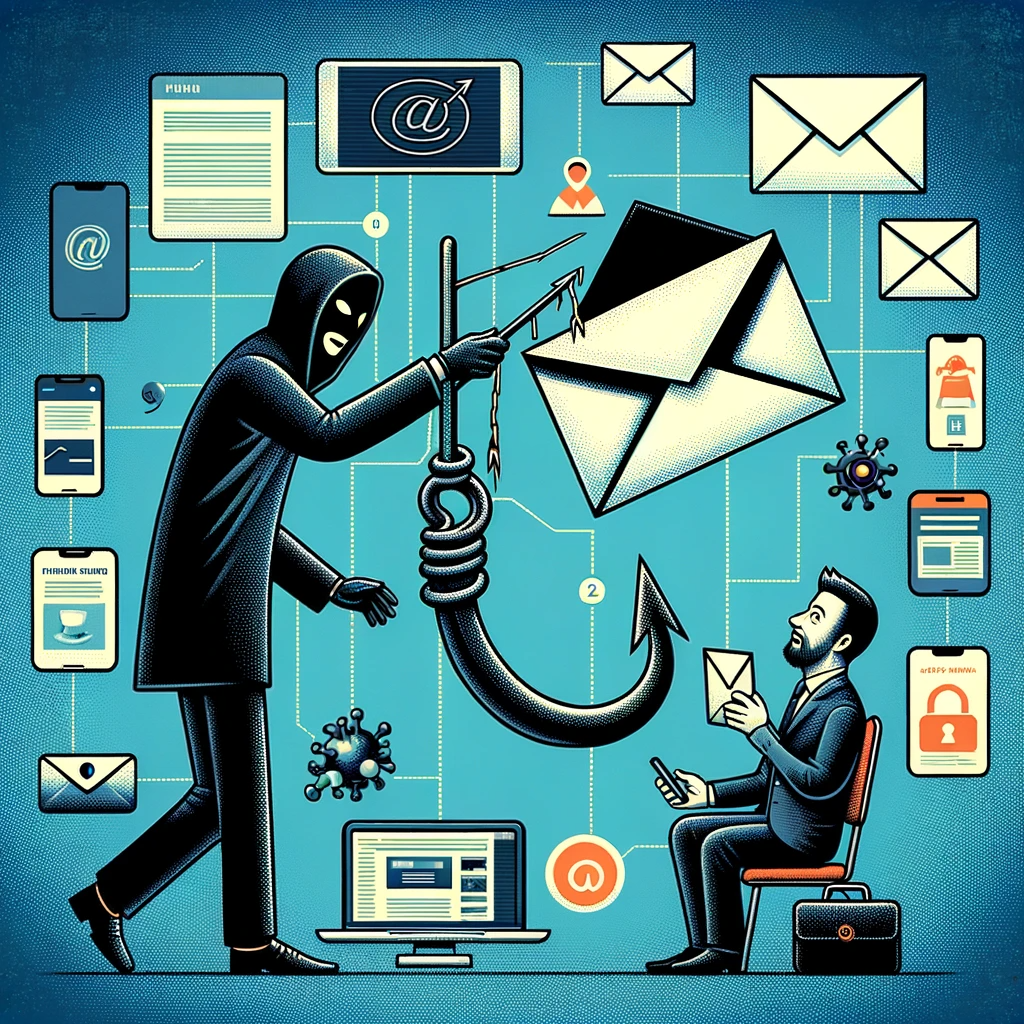
Online scams, or “phishing,” are another infamous threat. Seniors may receive emails that look official—bank alerts, prize winnings, you name it—prompting them to click suspicious links. These links can result in unwarranted exposure of personal information or malware attacks. Here’s where we reinforce that cybersecurity shield: educating seniors about the importance of scrutinizing emails before clicking can help keep their information secure and intact.
Romance scams, too, have become disturbingly common. Feeling lonely, some seniors find companionship on dating sites, only to meet someone who isn’t who they claim to be. These scammers weave elaborate tales of love and compassion, often asking for financial help with sob stories that tug at the heartstrings. It’s a heartbreaking reality for many who just want connection in their golden years. Encourage your loved ones to approach online relationships with caution and remind them that if something sounds “too good to be true,” it likely is.
Lastly, investments scams often appear tempting, lured by the prospect of high returns. Scammers often use high-pressure tactics to drum up urgent interest. Seniors may feel a sense of urgency to invest their hard-earned savings before it’s “too late.” Knowledge is power, and arming themselves with information about proper investment practices can help them navigate these murky waters safely.
Together, by engaging in open conversations and staying informed about these common scams, we can significantly reduce the risk for our seniors—and empower them to enjoy their time without fear. After all, it’s not just about protecting our loved ones; it’s about ensuring they thrive in their later years, free from the shadow of scams.

What Are The Common Types Of Scams Targeting Seniors?
What Are The Common Types Of Scams Targeting Seniors?
- Seniors are prime targets for scams due to their trusting nature and accumulated savings.
- Telephone scams often involve fraudsters posing as government agents or tech support, pressuring seniors to respond quickly.
- Encourage seniors to hang up and verify claims by contacting authorities directly.
- Online scams or phishing involve deceptive emails that prompt seniors to click on suspicious links, risking personal information exposure.
- Romance scams exploit loneliness, with scammers pretending to be someone else and asking for financial help through emotional stories.
- Investment scams lure seniors with high returns and urgent pressure, making them more vulnerable to fraud.
- Engaging in conversations and educating seniors about scams can empower them to thrive without fear.

What Are The Common Types Of Scams Targeting Seniors?
How Can Seniors Identify Potential Scams?
Navigating the digital world can feel like trying to read the fine print on a contract while wearing sunglasses at midnight. For seniors, the landscape can be overwhelming. But don’t worry; you’re not alone. With a little know-how, you can develop a reliable radar for identifying potential scams, keeping your peace of mind intact.
First, let’s talk about the art of skepticism. If an offer sounds too good to be true, it probably is. Whether it’s an unexpected email claiming you’ve won a prize or a phone call suggesting you owe money to the tax office, trust your gut. These crafty scammers often rely on urgency and fear—trying to tug at your heartstrings or pressure you into a hasty decision. Pause. Breathe. And take a moment to assess the situation.
Next up is verification. A little old-school detective work can go a long way. If you receive a call from someone claiming to represent a trusted organization, don’t hesitate to hang up and call them back using a known number. This simple practice can help you avoid falling into a trap. Instead of immediately providing personal information, take that extra step to confirm their credibility.
Let’s not forget about the wonders of cybersecurity. It might sound like tech jargon, but it all boils down to this: keep your devices and information protected. Ensure your software is up to date and use strong, unique passwords for each of your accounts. Just like locking your doors at night, digital security is crucial in warding off those who wish to do harm.
In today’s world, knowledge is power. Familiarize yourself with common scams targeting seniors. Scammers are always adapting, but familiarizing yourself with red flags—like unsolicited offers for loans or medical aids—will help keep you ahead of the game. Participate in community workshops or online seminars designed to educate seniors about the latest scams. There’s strength in numbers, and gathering together fosters a sense of security.
Finally, trust your community. Whether you have a trusted friend, family member, or neighbor, make it a habit to discuss any questionable situations. You are not alone in this journey; share and lean on each other for support.
Understanding these tactics isn’t about living in fear; it’s about empowering yourself. With a keen eye and a supportive network, you can confidently navigate your way through the digital jungle, recognizing scams before they ever reach your doorstep. So grab your hiking boots, and let’s venture into a safer, smarter online world together!

How Can Seniors Identify Potential Scams?
How Can Seniors Identify Potential Scams?
- Navigating the digital world can be overwhelming for seniors, but knowledge helps in identifying scams.
- Adopt skepticism: If an offer seems too good to be true, trust your instincts and pause to assess.
- Verify calls from trusted organizations by hanging up and calling them back using known numbers.
- Maintain cybersecurity by keeping software updated and using strong, unique passwords for accounts.
- Familiarize yourself with common scams targeting seniors and recognize red flags to stay informed.
- Trust and discuss questionable situations with your community for support and shared knowledge.
- Understanding these tactics empowers you to navigate the digital landscape confidently and safely.

How Can Seniors Identify Potential Scams?
What Are The Warning Signs Of A Scam?
In our hyper-connected world, where a single click can send sensitive information careening across the internet, understanding the warning signs of a scam is more crucial than ever. We’ve all seen the headlines: identities stolen, bank accounts drained, and dreams dashed. Yet, knowing the red flags can help you avoid becoming the next victim. So let’s break it down.
First off, be wary of unsolicited communication. Whether it’s a text, an email, or even a phone call, if someone’s reaching out to you without an established connection, proceed with caution. Scammers often impersonate trusted organizations or even friends in distress. Think about it—would your buddy really ask you for money via a random Facebook message? Trust your gut. If it feels off, it probably is.
Next up, watch for urgency. Scammers thrive on panic. “Act now,” they say, “or your account will be compromised!” When you hear phrases like that, hit the brakes. Cybersecurity experts agree that legitimate entities won’t pressure you into hastily handing over personal information. Take a beat. If the offer sounds too good to be true, it probably is—a golden rule that’s proven true time and again.
Another big indicator is poor communication. Many scam messages are littered with bad grammar and awkward phrasing. If you find yourself squinting at a corporate email full of typos and missing logos, it’s time to slam that door shut. Authentic communication exudes professionalism, while scams often let sloppiness slip through the cracks like a sneaky thief in the night.
Let’s not forget the method of payment. If a request for money is coming your way in the form of gift cards, wire transfers, or cryptocurrency—stop right there. These are often the hallmarks of a scam. A reputable company wouldn’t demand payment in such sketchy ways. They have transparent transaction methods, and you should too.
Finally, remember that trust is earned, not given blindly. If you feel something is amiss, don’t hesitate to do some digging. Research the organization, reach out to them directly using reputable contact information, and trust your instincts.
In a world teeming with evolving threats, staying informed and vigilant is your best defense. By recognizing and acting on these warning signs, you empower yourself to navigate the digital landscape wisely. Protect your peace of mind. Be proactive, because if it doesn’t feel right, it probably isn’t.

What Are The Warning Signs Of A Scam?
What Are The Warning Signs Of A Scam?
- Understanding warning signs of scams is crucial in our hyper-connected world.
- Be cautious of unsolicited communications from unknown sources.
- Watch out for urgency; legitimate entities won’t pressure you into providing personal information.
- Poor grammar and awkward phrasing are signs of scam messages.
- Requests for payment via gift cards, wire transfers, or cryptocurrency are often scams.
- Trust needs to be earned; investigate organizations if something seems off.
- Staying informed and recognizing warning signs helps protect against scams.

What Are The Warning Signs Of A Scam?
How Do Scammers Manipulate Seniors Emotionally?
When you think about your grandma or grandpa, what comes to mind? Warm cookies, wise advice, and maybe a few quirky old tales that could make anyone chuckle. But unfortunately, amidst those comforting memories, there lurks a troubling truth: many seniors are prime targets for emotional manipulation by scammers. It’s a hard reality, but understanding how this works is the first step toward protecting those we love.
Scammers are cunning, often adopting the guise of friendly faces or voices that seem genuinely interested in the well-being of their targets. They often start with a seemingly harmless call or an email that tantalizes with the promise of good fortune—perhaps a lottery win or some exclusive offer. For many seniors, these messages may feel like a connection, a glimmer of excitement amid the slower pace of life. The downside? That thrill can swiftly turn into a trap.
Emotional manipulation hinges on trust and anxiety. Scammers expertly prey on the vulnerabilities that can come with aging, such as loneliness or the fear of being left out. They craft narratives that tug at heartstrings, promising assistance or companionship. That’s what makes it all the more heartbreaking. A simple concern can spiral into a scheme that leaves our loved ones feeling ashamed, isolated, and, often, financially devastated.
Think about it: how easy is it to say, “I just wanted to help”? Many seniors may feel pressured to act quickly because the scammers cultivate a sense of urgency, making it seem as though the only path to security lies in giving up personal information or money. It’s like running through a kaleidoscope, where every turn reveals another colorful, yet deceptive, pattern that insists on immediate action—without giving anyone a chance to think it through.
But here’s the good news. By fostering open conversations about these issues, we can build a fortress of trust. Regular chats about cybersecurity challenges, and sharing stories about common scams can empower seniors to recognize red flags in communication. Encouraging them to reach out to family or friends when something feels “off” creates a safety net against those unscrupulous individuals. Help them feel confident in asking questions, because at the end of the day, the best defense against emotional manipulation is awareness and connection. Let’s keep those cookies coming—along with a healthy dose of vigilance.

How Do Scammers Manipulate Seniors Emotionally?
How Do Scammers Manipulate Seniors Emotionally?
- Many seniors are vulnerable to emotional manipulation by scammers.
- Scammers adopt friendly personas to create trust and entice targets.
- They often start with enticing offers like lottery wins to attract attention.
- Emotional manipulation preys on seniors’ feelings of loneliness and anxiety.
- Scammers create urgency, pressuring seniors to act without thinking.
- Regular conversations about scams can help seniors recognize red flags.
- Encouraging open communication fosters awareness and connection for protection.

How Do Scammers Manipulate Seniors Emotionally?
Why Are Seniors Particularly Vulnerable To Scams?
Why Are Seniors Particularly Vulnerable to Scams?
Picture this: It’s a sunny afternoon, and your grandmother is sipping tea on the porch, the dog is napping at her feet, and life seems just about perfect. But let’s talk a little about what’s lurking just beyond that tranquil scene. While that idyllic moment might melt your heart, it’s also a reminder that, for many seniors, the world can be a minefield of scams waiting to spring up when they least expect it.
The unfortunate truth is that our seniors are particularly vulnerable to these insidious tricks. You might ask, “Why is that?” Well, let’s break it down. First off, many older adults didn’t grow up with the technology that dominates our lives today. While the younger generations can navigate the digital landscape with the same confidence they wield at the grocery store, the internet can often feel like uncharted territory for seniors. Cybersecurity issues are a reality, and for those who aren’t equipped with the latest knowledge, navigating this space can feel daunting.
Additionally, many seniors are in a phase of life marked by significant changes. Whether it’s losing a life partner or downsizing a home, these transitions can create emotional vulnerabilities. Scammers recognize this and prey on feelings of loneliness and trust. They often operate under the façade of friendship, promising companionship and connection. That’s the crux: These scammers exploit not just ignorance, but emotions, and that makes it all the more insidious.
It’s also crucial to consider the financial implications. Many older adults may have an accumulation of savings they’ve painstakingly built over the years. Scammers know this and target those resources, enticing seniors with promises of riches or the perfect investment. But these offers are just traps set in the murky waters of deceit.
So, what can we do? It begins with understanding and communication. Engage with the seniors in your life. Talk openly about the types of scams that exist out there, whether they come over the phone, through emails, or even in person. Share resources about basic cybersecurity practices—it’s not just for techies anymore. Building a strong dialogue lays the groundwork for trust and awareness.
Let’s take a proactive stance rather than a reactive one. Knowledge, connection, and understanding can go a long way in shielding our most vulnerable from the clutches of deceit. Together, we can create safe havens, ensuring that the golden years are truly golden.

Why Are Seniors Particularly Vulnerable To Scams?
Why Are Seniors Particularly Vulnerable To Scams?
- Seniors are particularly vulnerable to scams due to a lack of familiarity with modern technology.
- Older adults may experience significant life changes, leading to emotional vulnerabilities that scammers exploit.
- Scammers often present themselves as friendly companions, preying on feelings of loneliness and trust.
- Many seniors have accumulated savings, making them attractive targets for deceptive financial schemes.
- Engagement and open communication can help seniors recognize and avoid scams.
- Sharing resources about basic cybersecurity practices is essential for all, not just tech-savvy individuals.
- Proactively addressing these issues can create a safer environment for seniors and help protect their well-being.

Why Are Seniors Particularly Vulnerable To Scams?
What Steps Should Seniors Take To Protect Themselves?
Let’s get real for a moment. The world has changed, and so has the way we need to protect ourselves. When I say “protect ourselves,” I’m not just talking about locked doors and alarm systems. I’m talking about cybersecurity—the modern-day shield against a myriad of threats that can creep into our lives like uninvited guests. For seniors, embracing this digital age might feel a bit like learning to ride a bike for the first time. It can be intimidating, but with a little guidance and some practice, it becomes second nature.
First things first: education is your best defense. Start by familiarizing yourself with the basics of online safety. There are countless resources available, many geared specifically toward seniors, that can help you understand the common threats lurking on the Internet. Phishing emails, inadequate passwords, and suspicious links are just a few of the traps waiting to ensnare the unsuspecting. Recognizing these dangers is half the battle and empowers you to be proactive.
Next, let’s talk about passwords. Think of your password as the key to your digital home. You wouldn’t give that key to just anyone, right? So why use “password123” or your pet’s name? Strengthen your passwords by making them longer and more complex. Consider using a password manager—these nifty tools can generate and store complex passwords for you. You’ll only need to remember one strong master password, making it easier to keep your information secure.
But it doesn’t stop there. Regularly updating your software and devices is essential to staying ahead of cybercriminals. Updates often patch security vulnerabilities, meaning that when you click “remind me later,” you might be leaving a backdoor open for someone to sneak in. Set up your devices to update automatically when possible—that way, you’ll have peace of mind without lifting a finger.
And let’s not forget the importance of a support network. Talk to family members or friends who are tech-savvy. Share experiences, ask questions, and lean on one another for advice. It’s amazing how much you can learn when you foster a culture of sharing and connection.
Remember, the goal isn’t just to survive; it’s to thrive in this digital world. By taking proactive steps towards cybersecurity, you’re not only protecting your personal information, but you’re also enabling yourself to engage more confidently and joyfully with the rich array of resources and connections the online world offers. You’ve got this!

What Steps Should Seniors Take To Protect Themselves?
What Steps Should Seniors Take To Protect Themselves?
- The world has changed, requiring new forms of protection, especially in cybersecurity.
- Education is the best defense; seniors should familiarize themselves with online safety basics.
- Common threats include phishing emails, inadequate passwords, and suspicious links.
- Strengthen passwords by making them longer and complex; consider using a password manager.
- Regular software updates are essential for closing security vulnerabilities.
- A support network of tech-savvy friends and family can provide valuable advice and shared experiences.
- Proactive cybersecurity measures help seniors thrive and engage confidently in the digital world.

What Steps Should Seniors Take To Protect Themselves?
How Can Family Members Help Prevent Scams Targeting Seniors?
When it comes to protecting our loved ones, especially seniors, the stakes couldn’t be higher. We often think of scams as something that happens to someone else—until it happens to someone we know. Family members play a crucial role in creating a fortress of trust, communication, and awareness around their older relatives. So, how do we step up to the plate, bolster our defenses, and help our seniors navigate this treacherous landscape of deceit?
First and foremost, education is key, and that starts with open conversations. Engaging your seniors in discussions about potential scams can feel daunting, but it’s essential. Sit down over a cup of coffee or during a family dinner to discuss recent news stories about scams targeting seniors. This not only raises awareness but sends a signal that you care about their safety. Sharing personal anecdotes or global headlines about cybercrime can make these discussions more relatable, transforming abstract risks into concrete realities.
Next, instill the basics of cybersecurity. Lay the groundwork on how to create strong passwords and recognize suspicious emails or phone calls. Encourage your senior family member to check in with you before making any finical decisions—especially if they are being pressured or hurried by a caller. It’s about building a trusted dialogue where they feel comfortable saying, “Hey, can you help me understand this request?”
And let’s not forget the power of technology. Help your seniors embrace tools that can bolster their protection. Setting up spam filters, enabling two-factor authentication, and installing reputable security software on their devices can go a long way. Demonstrating how to spot phishing attempts or online scams can turn confusion into confidence, empowering them to take control of their own cybersecurity.
Finally, make it a joint effort. Establish routine check-ins where you review recent transactions or online activities together. This not only builds trust but also allows you to catch any red flags before they escalate. Turn vulnerability into a family affair—the more connected and vigilant you are, the safer your seniors will feel.
Remember, it’s not just about safeguarding finances; it’s about preserving dignity and independence. By weaving a strong tapestry of awareness and support, family members can arm their seniors with the tools they need to navigate today’s world. Let’s unite to challenge the ugly prevalence of scams and give our loved ones the confidence to stand firm against threats that lurk in the shadows. Together, we can make a difference, one conversation at a time.

How Can Family Members Help Prevent Scams Targeting Seniors?
How Can Family Members Help Prevent Scams Targeting Seniors?
- Protecting seniors from scams is a critical concern for families.
- Open conversations about potential scams raise awareness and show care for seniors’ safety.
- Educate seniors on cybersecurity basics, including creating strong passwords and recognizing suspicious communications.
- Encourage seniors to consult family members before making financial decisions.
- Introduce technology tools such as spam filters and security software to enhance protection.
- Conduct routine check-ins to review transactions and catch potential scams early.
- Empower seniors to navigate the digital world confidently while preserving their dignity and independence.

How Can Family Members Help Prevent Scams Targeting Seniors?
Conclusion
Conclusion: Shedding Light on Senior Scams
As we take a step back and examine the grim landscape of scams targeting seniors, it’s like staring into the abyss of a colossal problem that’s easy to overlook. We live in a world obsessed with technology, buzzing with the latest apps and gadgets, yet amid all this progress, our elderly loved ones often find themselves ill-prepared, navigating treacherous waters filled with deception and trickery. It’s unfair, and it’s downright heartbreaking.
Imagine your grandparents, the very pillars of your family, ensconced in their cozy chairs with memories rich enough to fill volumes. Now ask yourself—how would you feel if they fell prey to a scam because they trusted a voice on the other end of the phone? The harsh reality is that many aging individuals are prime targets for these financial predators, often exploiting the trusting nature that prevails from a lifetime of authentic human connections.
So what’s the game plan? We must bridge the knowledge gap and empower our seniors to better defend themselves against these insidious attacks. It starts in our homes where open conversations foster a culture of awareness. Sharing stories about the countless scams out there—whether it be investment schemes, telephone scams, or romance fraud—can transform abstract danger into concrete understanding. Let’s turn family dinners into tutorials on cybersecurity, equipping our loved ones with the skepticism and discernment they need to navigate a digital landscape that can feel more like a battlefield than a playground.
Furthermore, we shouldn’t just stop there. Technology can and should be our ally. Let’s not only educate but also implement safety nets—like spam filters and two-factor authentication—that elevate the defenses of those we care about. Become their cybersecurity buddies, lending a helping hand as they establish strong, unique passwords, akin to giving them the keys to their digital kingdom.
Ultimately, it’s about community. It’s about standing guard around our elders and ensuring they don’t have to face the daunting world of scams alone. Create a supportive environment where questions are welcomed, and vigilance becomes second nature. Because in this era of connectivity, we can unite to turn the tide against exploitation and preserve the dignity and wisdom of our seniors. Together, we can banish the shadows of fraud and empower our loved ones to seize their golden years, scam-free.
Conclusion
Conclusion:
- Scams targeting seniors represent a significant and often overlooked problem in today’s technology-driven world.
- Elderly individuals are often ill-prepared to navigate deceptive schemes, making them prime targets for financial predators.
- Open conversations at home can help bridge the knowledge gap and empower seniors to recognize and defend against scams.
- Sharing stories about various scams can convert abstract risks into concrete awareness among family members.
- Implementing technology-based safety measures, such as spam filters and two-factor authentication, can enhance protection for seniors.
- Community support is essential in creating an environment where seniors feel safe discussing scams and asking questions.
- By working together, we can help protect our elders and allow them to enjoy their later years without the threat of scams.

Conclusion
Other Resources

Other Resources
Here is a list of other resources you can review online to learn more:
- Delta Risk
- Agile1
- IND Corporation
- Long View Systems
- Overwatch Managed Security
- Impact Networking
- Vairav Technology Security
- VK
- Discord
- Ciscom Solutions
Use This Prompt To Get More Resources With Your Favorite Online AI Tool: Please provide me with a list of online articles with their URLs in a bulleted list that I can read regarding Have We Overlooked The Warning Signs Of Scams Targeting Seniors?

Other Resources
Glossary Terms
Have We Overlooked The Warning Signs Of Scams Targeting Seniors? – Glossary Of Terms
1. Scam: A deceptive scheme or fraudulent tactic designed to con people, particularly vulnerable populations like seniors, out of money or personal information.
2. Fraud: The intentional deception to secure an unfair or unlawful gain, often involving misrepresentation of the truth.
3. Senior Citizen: Typically refers to individuals aged 65 and older, who may be more vulnerable to various scams due to factors like isolation or cognitive decline.
4. Pyramid Scheme: A form of investment where returns are paid to earlier investors from the contributions of later investors, rather than from profit earned by the operation of a legitimate business.
5. Phishing: A cybercrime where scammers pose as trustworthy entities to obtain sensitive information, such as passwords or credit card numbers, often through email or fake websites.
6. Robocall: Automated phone calls that deliver pre-recorded messages, often used to promote scams targeting seniors through misleading information.
7. Identity Theft: A crime where someone unlawfully obtains and uses personal information, like Social Security numbers or bank details, typically for financial gain.
8. Elder Abuse: A term encompassing various forms of mistreatment, including financial exploitation, that can be inflicted upon older adults.
9. Social Engineering: Psychological manipulation of people into revealing confidential information for fraudulent purposes, often utilized in scams.
10. Investment Scam: A fraudulent scheme that offers high returns on investments with little or no risk, targeting the financial aspirations of seniors.
11. Tech Support Scam: A scheme in which scammers pose as technical support representatives to gain access to a victim’s computer or personal information.
12. Advance Fee Fraud: A scam where victims are persuaded to pay money upfront for goods or services that are never delivered.
13. Lottery Scam: A fraud in which individuals are told they’ve won a lottery or prize but must pay taxes or fees to claim it, often preying on seniors’ hopes.
14. Charity Scam: Fraudsters exploit the goodwill of individuals by posing as charitable organizations to solicit donations, particularly after natural disasters or during holidays.
15. Home Repair Scam: A fraudulent offer for home repairs that either results in shoddy work or no work at all, often targeting older adults who may need assistance.
16. Romance Scam: A scheme where perpetrators develop online relationships with victims, ultimately deceiving them into sending money under false pretenses.
17. Suspicious Behavior: Actions or circumstances that raise red flags regarding the legitimacy of a solicitation or offer, which seniors may overlook.
18. Data Breach: An incident where sensitive, protected, or confidential data is accessed or disclosed without authorization, often targeting financial information.
19. Awareness Campaign: Initiatives aimed at educating the public, especially seniors, about the risks of scams and how to recognize warning signs.
20. Consumer Protection: Laws and regulations intended to safeguard buyers from unfair business practices, which are crucial in combating scams against seniors.
21. Vulnerability Factors: Characteristics such as social isolation, cognitive decline, or physical limitations that can increase a senior’s susceptibility to scams.
22. Red Flags: Warning signs or suspicious indicators that may suggest a deceptive or fraudulent operation, which seniors and caregivers should watch for.
23. Financial Literacy: The understanding of financial concepts and the ability to make informed decisions, which can help seniors avoid scams.
24. Legal Recourse: The ability for victims to seek justice or remedy through legal means after being defrauded, essential for recovery.
25. Scam Reporting: Processes available for individuals to report fraudulent activities, crucial for law enforcement and consumer protection agencies.
26. Trustworthy Sources: Reputable organizations or individuals that can provide reliable information and support, helping seniors verify offers before engaging.
27. Peer Influence: The impact of social connections in guiding decision-making processes, which can sometimes lead seniors to overlook cautionary advice.
28. Financial Exploitation: A form of elder abuse where individuals improperly use or take control of a senior’s finances for personal gain.
29. Cognitive Impairment: Diminished mental capacity that can cloud judgment and increase susceptibility to scams among seniors.
30. Community Resources: Local organizations or programs designed to assist seniors in identifying scams and providing support to prevent exploitation.

Glossary Of Terms
Other Questions
Have We Overlooked The Warning Signs Of Scams Targeting Seniors? – Other Questions
If you wish to explore and discover more, consider looking for answers to these questions:
- What specific steps can families take to educate seniors about scams?
- Are there community resources or workshops available for seniors regarding scam awareness?
- What are the most effective ways to communicate with seniors about cybersecurity?
- How can technology be used to help protect seniors from scams?
- What should seniors do if they believe they have been targeted by a scam?
- How can seniors report scams they encounter?
- What role do financial institutions play in protecting seniors from scams?
- What are the legal protections for seniors against fraud and scams?
- How can seniors differentiate between legitimate offers and potential scams?
- What support systems exist for seniors who have fallen victim to scams?
- How can family members recognize when a senior is being scammed?

Other Questions
Haiku
Have We Overlooked The Warning Signs Of Scams Targeting Seniors? – A Haiku
Elders’ trust abused,
Scammers weave with cunning lies—
Guardians unite now.

Haiku
Poem
Have We Overlooked The Warning Signs Of Scams Targeting Seniors? – A Poem
Guardians of Trust: A Poem for Our Elders
In their chairs, where memories dwell,
Elders share tales, wisdom to tell.
Yet shadows loom, deceitful and sly,
Scammers watch with a glint in their eye.
With a ring or a click, they weave their demands,
Preying on trust with invisible hands.
“Urgent!” they cry, “Your fortune is at stake!”
But truth lies in pause; don’t yield to their wake.
The web spins silken traps of allure,
Sweet promises lead to pain, that’s for sure.
In loneliness’ grip, they craft gentle lies,
A sprinkle of love masked by veils of disguise.
“Educate them well,” we must heed the refrain,
Cybersecurity whispers in vain.
Set up family days, bring light to the night,
Share stories of scams, turn fear into fight.
With passwords secure and software that’s tight,
Together we forge a shield against fright.
Communication blooms over dinners and tea,
Empower our seniors to be scam-free.
Look for the signs, be vigilant, wise,
In the language of fraud, see through the guise.
For every sly trick, let love intercede,
A fortress of trust is what they truly need.
So gather the knowledge, ignite the spark,
In this digital age, let’s brighten the dark.
Together we rise, this battle we’ll wage,
Protecting our elders, both sage and stage.
In the heart of the family, let unity shine,
With laughter and vigilance, our spirits align.
May their golden years gleam without fear or dread,
In the warmth of our love, their innocence spread.

Poem
Checklist
Have We Overlooked The Warning Signs Of Scams Targeting Seniors? – A Checklist
Checklist: Protecting Seniors from Scams
1. Educate About Common Scams
_____ Discuss types of scams targeting seniors: phone scams, online phishing, romance scams, and investment scams.
_____ Share recent news stories related to scams for real-world context.
2. Encourage Skepticism
_____ Remind seniors to be wary of unsolicited communications (calls, emails, texts).
_____ Advise them to trust their instincts; if it sounds too good to be true, it probably is.
3. Teach Verification Practices
_____ Encourage seniors to hang up and call back using known contact information for any unsolicited calls.
_____ Demonstrate how to verify the legitimacy of emails or offers before clicking links or sharing personal information.
4. Discuss Emotional Manipulation
_____ Explain how scammers exploit loneliness and fear.
_____ Encourage conversations about feelings of urgency, and remind seniors to take their time before making decisions.
5. Strengthen Cybersecurity Knowledge
_____ Teach them to create strong, unique passwords and the importance of not using easily guessable information.
_____ Encourage the use of password managers.
6. Promote Regular Software Updates
_____ Set up devices to automatically update software to fix security vulnerabilities.
_____ Discuss the importance of keeping security software up-to-date.
7. Build a Support Network
_____ Encourage seniors to talk openly about their online experiences and share any concerns or suspicious occurrences with family members.
_____ Set up routine check-ins to review online activities and financial transactions together.
8. Use Technology Wisely
_____ Help seniors set up spam filters and enable two-factor authentication on their accounts.
_____ Introduce them to reputable security software and how to utilize it.
9. Organize Family Cybersecurity Days
_____ Plan family gatherings to discuss cybersecurity in a fun and supportive atmosphere.
_____ Share personal stories and experiences to foster understanding and vigilance.
10. Create a Safe Environment for Questions
_____ Encourage seniors to ask for help before making financial decisions or sharing personal information.
_____ Foster an environment where they feel comfortable discussing any suspicious interactions.
By following this checklist, family members can help seniors feel empowered and equipped to navigate potential scams effectively. Regular communication and vigilance are vital in protecting our loved ones.

Checklist
At BestCyberSecurityNews, we help teach entrepreneurs and solopreneurs the basics of cybersecurity and its impact on their businesses by using simple concepts to explain difficult challenges.
Please read and share any of the articles you find here on BestCyberSecurityNews with your friends, family, and business associates.