Protect Your Finances: The Ultimate Guide
By Tom Seest
At BestCyberSecurityNews, we help teach entrepreneurs and solopreneurs the basics of cybersecurity and its impact on their businesses by using simple concepts to explain difficult challenges.
Please read and share any of the articles you find here on BestCyberSecurityNews with your friends, family, and business associates.
How to Avoid Sharing Your Bank Account Number Online?
In a world where our lives are increasingly lived online, it’s easy to overlook the fundamental principles of cybersecurity. One of the most critical aspects of keeping your finances safe is making sure you avoid sharing your bank account number online. It might seem like a no-brainer, but too many folks unwittingly expose themselves to serious threats. Let’s break it down with some practical tips that anybody can use.
First off, remember this: the best offense is a good defense. Don’t go posting your bank account number on social media or any public forum where it might catch the eye of a crafty scammer. Even seemingly harmless chats can turn sour if someone sees that information and decides to use it. Protect your personal information like you would a prized possession because, in many ways, it is one.
Next, be cautious about the emails you receive. Phishing scams are rampant, where hackers impersonate your bank or any other services you use to fish for your sensitive information. If an email looks fishy (and I’m not talking about last week’s leftovers), don’t click any links or provide any information. Instead, contact the institution directly using known contact methods. It’s common sense, but it’s a step that can save you from a world of hurt.
When making online transactions, use secure websites. Look for the little padlock symbol beside a URL, which is a good indication that you’re dealing with a secure site. If a website doesn’t look right or feels off, trust your gut and steer clear. Cybersecurity isn’t just about monitoring; it’s also about making choices that lessen your exposure to risk.
Utilize strong passwords and change them regularly. Consider multi-factor authentication for your online banking—extra layers of security can make a significant difference. If you’re not doing this yet, it’s time to step up your game.
Finally, keep abreast of any new cybersecurity threats or techniques that hackers might be using. The digital landscape is constantly evolving, and so are the tactics of those who wish to do you harm. Awareness is a huge part of safeguarding your information.
In summary, the best way to avoid sharing your bank account number online is to take active steps to protect your personal information. Treat it with the same vigilance as you would a physical key to your front door. Your financial future might just depend on it.

How to Avoid Sharing Your Bank Account Number Online?
How to Avoid Sharing Your Bank Account Number Online?
- Cybersecurity is crucial in our increasingly online lives.
- Avoid sharing your bank account number online, even in seemingly harmless conversations.
- Be cautious of phishing scams; don’t click on suspicious email links.
- Ensure online transactions occur on secure websites, indicated by a padlock symbol in the URL.
- Utilize strong, regularly updated passwords and consider multi-factor authentication.
- Stay informed about new cybersecurity threats and hacker techniques.
- Protect your personal information as you would a physical key to your home.

How to Avoid Sharing Your Bank Account Number Online?
Table Of Contents
- How to Avoid Sharing Your Bank Account Number Online?
- What Are The Risks Of Sharing My Bank Account Number Online?
- How Can I Identify Phishing Attempts Related To My Bank Account?
- What Steps Can I Take To Secure My Online Banking Information?
- Are There Safe Ways To Share Bank Details If Necessary?
- How Do I Recognize Legitimate Communications From My Bank?
- What Privacy Settings Should I Adjust To Enhance My Security?
- How Can I Educate Others About The Dangers Of Sharing Bank Info?
- Conclusion
- Other Resources
- Glossary Of Terms
- Other Questions
- Haiku
- Poem
- Checklist
What Are The Risks Of Sharing My Bank Account Number Online?
In today’s interconnected world, the ease of sharing information has become a double-edged sword. When it comes to your bank account number, sharing it online can feel as innocent as a friendly chat over coffee. However, what many don’t realize is that this seemingly harmless act can open the floodgates to serious risks in the realm of cybersecurity.
First off, let’s talk about the most glaring threat: identity theft. When you divulge your bank account number, you might as well be handing over your identity on a silver platter. Cybercriminals can use your information to empty your accounts, rack up debt in your name, or even create a new identity that could wreck your credit score. That’s an ugly mess, and untangling it can take years.
Then, there are phishing scams—elaborate schemes designed to dupe unwitting individuals into sharing personal information. A simple email or direct message can seem legitimate at first glance. You click the link, enter your bank account number, and just like that, you’ve been hooked. Cybersecurity experts warn that these tactics are becoming increasingly sophisticated, so that friendly message may hide a lurking predator.
But identity theft and phishing are just the tip of the iceberg. Once criminals have your bank account number, they can engage in something called “account takeover.” This occurs when they gain access to your bank’s online platform and can manipulate your financial standing. The moment they gain that access, they can wire money out, change passwords, and, for all intents and purposes, become you—without your consent.
Let’s not forget the repercussions of sharing your bank account number with the wrong online entities. Legitimate businesses often require secure transactions, but not all websites meet that standard. If you’re not careful about where you enter your information, you may end up on a compromised site that captures your bank details and sells them on the dark web. Once that information escapes into the void, there’s little you can do to reclaim it.
The risk of sharing your bank account number online boils down to awareness. The digital age offers remarkable conveniences, but it also comes burdened with dangers. Protecting your financial information is not just wise; it’s necessary. Consider taking a step back before clicking “send”—your future self will thank you.

What Are The Risks Of Sharing My Bank Account Number Online?
What Are The Risks Of Sharing My Bank Account Number Online?
- Sharing sensitive information online, like bank account numbers, poses significant cybersecurity risks.
- Identity theft is a major threat; criminals can exploit your information to deplete accounts and damage credit scores.
- Phishing scams are increasingly sophisticated, tricking users into unknowingly sharing personal information through seemingly legitimate messages.
- Account takeover is a serious repercussion where criminals gain complete access to your bank account, allowing unauthorized transactions.
- Not all online businesses ensure secure transactions, increasing the risk of entering your information on compromised sites.
- Once your bank details are sold on the dark web, recovering them is extremely difficult.
- Awareness and caution are essential in the digital age to protect financial information from cyber threats.

What Are The Risks Of Sharing My Bank Account Number Online?
How Can I Identify Phishing Attempts Related To My Bank Account?
When it comes to your bank account, staying vigilant against phishing attempts is a must. In the world of cybersecurity, not all threats come wrapped in a neat little package; some are cleverly disguised as friendly emails or messages from people you think you can trust. Let’s break this down without getting lost in the digital weeds.
First off, always examine the sender’s email address. In the hustle and bustle of everyday life, it’s easy to overlook minor details. Phishing emails often use addresses that look similar to official ones but may have unusual variations—like extra letters or domain names that don’t quite match. If the email is from “BankOfAmerica123@fake.com” instead of “support@bankofamerica.com,” trust your instincts—delete that email faster than you can say “not happening!”
Next, look at the content. Phishing attempts often induce urgency. You might see phrases like, “Your account will be suspended!” or “Immediate action required!” This is a common tactic to provoke fear or anxiety, making you less likely to think critically. Take a breath. If you receive such an alarming message, don’t jump into action. Instead, take a moment to reflect and verify. Don’t click on anything in the message—especially links that might transport you to a shady site designed to steal your information.
Another telltale sign is poor grammar or spelling mistakes. Now, we’re all human, and a typo here and there is understandable. But when you’re dealing with a legitimate financial institution, you should expect a professional level of communication. If an email is riddled with errors, it’s likely a phishing attempt, trying to cast a wide net hoping to catch the unsuspecting.
Moreover, if your bank claims you’ve won a sweepstakes you never entered, it’s a red flag. Banks typically do not conduct business this way. If it’s too good to be true, it probably is.
Finally, never provide sensitive information, like your Social Security number or passwords, in response to an email. Legitimate banks won’t ask for this information via email, text, or phone call.
Staying informed and alert is your best defense in the realm of cybersecurity. When it comes to safeguarding your bank account, trust your instincts, verify before you act, and keep your eyes peeled for potential warning signs. With a bit of diligence, you can navigate the murky waters of phishing attempts and keep your finances safe and sound.

How Can I Identify Phishing Attempts Related To My Bank Account?
How Can I Identify Phishing Attempts Related To My Bank Account?
- Stay vigilant against phishing attempts targeting your bank account.
- Always examine the sender’s email address for unusual variations.
- Be cautious of emails that induce urgency, urging immediate action.
- Look out for poor grammar or spelling mistakes as indicators of phishing.
- Be skeptical of claims about winning sweepstakes you never entered.
- Never provide sensitive information like Social Security numbers or passwords via email.
- Trust your instincts and verify before acting to protect your finances.
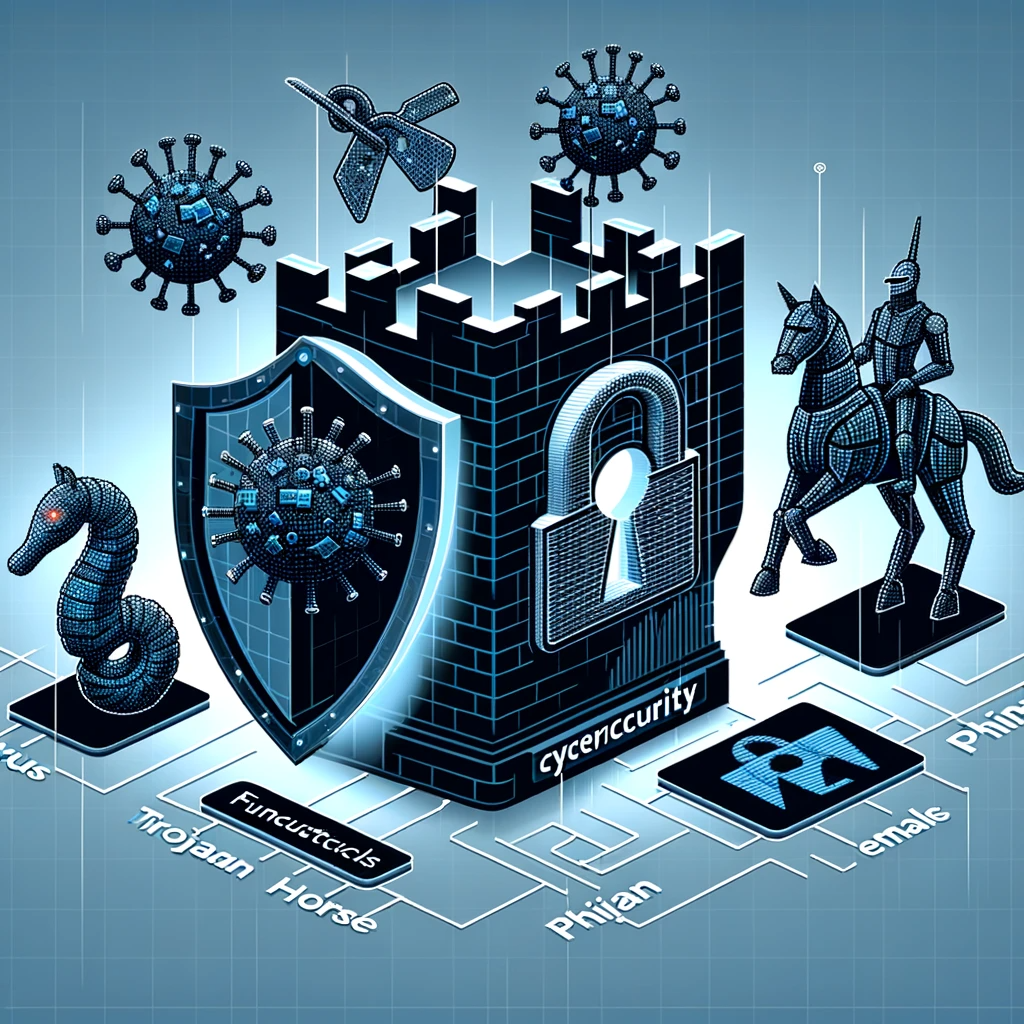
How Can I Identify Phishing Attempts Related To My Bank Account?
What Steps Can I Take To Secure My Online Banking Information?
In a world that’s becoming more dependent on technology with each passing day, securing your online banking information is nothing short of essential. It’s not just a matter of convenience anymore; it’s about taking action, being proactive, and making sure you don’t become another statistic in the latest cybersecurity breach. So, let’s roll up our sleeves and dive into some practical steps that can help safeguard your financial data.
First off, use strong and unique passwords. This may sound painfully obvious, but many folks still use “password123” or something equally ridiculous. Your password should be a complex mix of letters, numbers, and symbols. Think of it like a good recipe: you want a variety of ingredients to keep things interesting and secure. You wouldn’t want a bland dish, right? Also, don’t use the same password across multiple sites! Each account deserves its own unique blend.
Next, consider enabling two-factor authentication (2FA) wherever possible. This adds an extra layer of protection and is akin to locking your front door and also securing a deadbolt. When logging into your bank account, you’ll not only enter your password but also a one-time code sent to your phone or email. While it might feel like a bit of a hassle, it’s worth the minute it takes to secure your finances.
Keeping your devices and software updated is another crucial step in the cybersecurity game. Software developers regularly release updates that patch holes in security systems. By failing to update your systems, you’re basically leaving the front door wide open for cybercriminals. So, install those updates—they’re not just a suggestion; they’re a vital safeguard.
Now, let’s talk about public Wi-Fi. While it may be oh-so-tempting to log into your bank account while lounging in a café, doing so can be like inviting a thief to your wallet. If you must use public Wi-Fi, utilize a Virtual Private Network (VPN) to create a secure, encrypted connection. This is a vital step to prevent anyone from eavesdropping on your activity.
Finally, monitor your accounts regularly. This means keeping an eye on your bank statements and online transactions. If you spot something suspicious, act fast—it’s easier to deal with a small issue early than a massive headache later.
By taking these steps, you’re not only improving your own cybersecurity but also creating a safer online environment for everyone. Secure your information; it’s your job, and trust me, it’s worth doing right.

What Steps Can I Take To Secure My Online Banking Information?
What Steps Can I Take To Secure My Online Banking Information?
- Securing online banking information is essential in today’s technology-dependent world.
- Use strong and unique passwords, mixing letters, numbers, and symbols; avoid using the same password across multiple sites.
- Enable two-factor authentication (2FA) to add an extra layer of protection for your accounts.
- Keep devices and software updated to patch security vulnerabilities and protect against cyber threats.
- Avoid accessing bank accounts over public Wi-Fi; use a Virtual Private Network (VPN) for a secure connection if necessary.
- Regularly monitor bank statements and online transactions to quickly address any suspicious activity.
- Improving your cybersecurity helps create a safer online environment for everyone.
What Steps Can I Take To Secure My Online Banking Information?
Are There Safe Ways To Share Bank Details If Necessary?
In an age where the term “Cybersecurity” gets thrown around like confetti at a parade, sharing bank details can feel like flirting with danger. But does that mean we should toss our hands in the air and resign ourselves to a life of cash-only transactions? Not necessarily. There are avenues we can navigate if we want to share sensitive bank details while keeping our heads above water.
First off, let’s talk about the importance of a secure environment. If you absolutely must share your bank information, do it in a way that minimizes risk. Consider encrypted messaging apps. These technology marvels ensure that only the intended recipient can decode your messages, making it much less likely for prying eyes to intercept your sensitive data. When opting for this route, stick to well-known applications with strong reputations in the realm of Cybersecurity.
Now, let’s get practical. When it comes time to share that information, don’t go blurting it out over the phone like you’re ordering a pizza. Use code words or a reference system that only the two of you understand. It’s a way to add an extra layer of security without sounding like you’re starring in a spy movie. The goal here is simple: prevent third parties from eavesdropping on your conversation.
Online transactions present another potential pitfall. If you’re sharing your bank details through a website, make sure it’s secure. Look for that little padlock icon in the browser’s address bar. If it’s there, you’re likely in a safe zone. Don’t let your guard down, though; even the safest websites can sometimes be vulnerable to breaches. Before you hit “send,” double-check that you’re sending your info to a reputable site, preferably one that uses two-factor authentication.
And let’s not forget about the old-fashioned methods. If you must share your details with someone close, consider doing it face-to-face. Sure, that’s not always practical, but think about how much easier it is to keep things secure when there’s no digital footprint.
Look, I know that navigating the waters of cybersecurity and safe transactions can feel daunting. But knowing how to share information accurately—and safely—can be your life raft in turbulent times. So as we wade through this digital age, remember to think before you share. Your information is your responsibility, and trust me—safeguarding it can go a long way.

Are There Safe Ways To Share Bank Details If Necessary?
Are There Safe Ways To Share Bank Details If Necessary?
- Sharing bank details can pose risks in today’s cybersecurity landscape.
- Use secure environments (e.g., encrypted messaging apps) to share sensitive information.
- Choose reputable applications with strong security credentials.
- Implement code words or reference systems to communicate bank information discreetly.
- Ensure websites are secure (look for a padlock icon) before sharing bank details online.
- Consider face-to-face methods to share details, minimizing digital footprints.
- Be proactive about safeguarding your information, as it ultimately remains your responsibility.

Are There Safe Ways To Share Bank Details If Necessary?
How Do I Recognize Legitimate Communications From My Bank?
In today’s world, keeping your finances safe is more crucial than ever, especially when it comes to distinguishing real communications from your bank from potential scams. With the rise in cybersecurity threats, the last thing you want is to fall prey to someone’s underhanded schemes. So, let’s iron out some of the essentials for spotting genuine messages that come from your financial institution.
First things first, always trust your instincts. If an email or message feels off—whether it’s the language used, the urgency they communicate, or the way they address you—take a step back. Banks typically use formal language and maintain a steady tone in their communications. If you’re greeted as “Dear Valued Customer” or something equally generic, you might be staring down the barrel of a phishing attack. Legitimate banks often personalize their communications, referring to you by name and offering specific account details.
Next up, look closely at the sender’s email address. Cyber scammers often play the numbers game, creating addresses that closely mimic the real deal, but there are usually telltale signs. A legitimate message should come from a company domain, not a free email service like Gmail or Yahoo. If it’s something questionable, hit pause before clicking any links. And remember: a legitimate bank will never ask you to confirm sensitive information via email. If they really need that info, they’ll direct you to a secure portal on their website.
Now, let’s roll into the world of links. Phishing emails often include clickable links that lead you to fake sites designed solely to capture your login details. Hover your mouse over any links to see where they lead before you click! The URL should be a familiar one that you can type directly into your browser. If anything looks suspicious, don’t engage; just fire up your bank’s official website directly—and if you ever find yourself doubting, give your bank a call. They’ll help clear the air, and they appreciate you being proactive.
Lastly, get familiar with your bank’s official communication style. Like any professional, they have a tone and cadence that’s consistent. Cybersecurity awareness isn’t just a buzzword; it’s your best defense against those who would rather see you deceived than banked! If you keep your eyes peeled and your instincts sharp, you’ll be well on your way to navigating the treacherous waters of online finance with confidence.

How Do I Recognize Legitimate Communications From My Bank?
How Do I Recognize Legitimate Communications From My Bank?
- It is crucial to identify genuine communications from banks amid rising cybersecurity threats.
- Trust your instincts—if a message feels off in tone or urgency, pause before acting.
- Legitimate banks use formal language and often personalize communications with your name.
- Check the sender’s email address; it should come from a company domain, not free email services.
- Be cautious of links in emails; hover to see the destination before clicking and confirm URLs.
- A legitimate bank will never ask for sensitive information via email but will direct you to secure portals.
- Familiarize yourself with your bank’s official communication style as a defense against phishing.

How Do I Recognize Legitimate Communications From My Bank?
What Privacy Settings Should I Adjust To Enhance My Security?
In today’s digital landscape, understanding how to enhance your security boils down to what you do with the privacy settings on your devices and accounts. You see, cybersecurity isn’t just about high-tech gadgets or fancy software; it’s about the choices you make every day. Let’s dig in and find out what privacy settings you should be adjusting to keep your personal information safe.
First off, let’s tackle social media. You might love sharing your life’s moments with your virtual friends, but don’t forget that every post adds a layer to your digital footprint. Head into those privacy settings and switch to a more stringent option. Make your profile private and be selective about who can see your posts. Trust me—those high school acquaintances really don’t need to know you adopted a dog last week.
Next, tighten up your location settings. Sure, that “check-in” feature is fun, but broadcasting your whereabouts can feel like you’re handing a stranger a roadmap to your life. Disable location sharing on apps unless absolutely necessary. A little mystery can go a long way in protecting your personal space.
Now, let’s not overlook the good old account security. Think email accounts, bank accounts, and yes, those online shopping sites you’re a bit too fond of. Activate two-factor authentication (2FA). It’s like having a bouncer at the door of your digital life. Even if a hacker manages to snag your password, they’ll need that additional verification to get inside. It’s a simple step but a mighty one in the world of cybersecurity.
Next, revisit the data-sharing permissions you’ve granted to apps and services. Take a moment to scrutinize what access you’ve allowed. Do those photo-editing apps really need to see your contacts? Most likely not! Cut back on unnecessary permissions to minimize risk.
Lastly, consider your browsing habits. Switch to a VPN (Virtual Private Network) when you’re using public Wi-Fi. Not only does it encrypt your data, but it also masks your online activities from prying eyes. Because the truth is, free Wi-Fi often comes with hidden costs, and your privacy should never be one of them.
So, take control of your digital world. Adjusting these settings won’t require a tech wizard, just a little time and awareness. Your future self will thank you for it, and you’ll sleep a little better knowing you’ve bolstered your online defenses against the ever-encroaching threats out there.
What Privacy Settings Should I Adjust To Enhance My Security?
What Privacy Settings Should I Adjust To Enhance My Security?
- Enhancing security relies on adjusting privacy settings on devices and accounts.
- Cybersecurity involves daily choices rather than just advanced technology.
- Make your social media profiles private and limit post visibility to trusted individuals.
- Disable location sharing on apps to prevent unnecessary exposure of your whereabouts.
- Activate two-factor authentication (2FA) for accounts to strengthen security.
- Review and limit data-sharing permissions granted to apps to reduce risk.
- Utilize a VPN on public Wi-Fi to encrypt data and protect online activities.

What Privacy Settings Should I Adjust To Enhance My Security?
How Can I Educate Others About The Dangers Of Sharing Bank Info?
When it comes to banking, the digital age has ushered in countless conveniences, but it has also opened the door to a plethora of risks. Many people think they’re immune to scams or don’t see the harm in sharing their bank information with friends or online platforms. It’s time to step in and set the record straight. We need to have honest conversations about the importance of cybersecurity—and that starts with educating others about the real dangers of sharing sensitive information.
First off, let’s establish the facts. Cybersecurity isn’t just a buzzword; it’s a crucial line of defense against the rising tide of identity theft and fraud. Imagine a burglar. Would you leave your front door wide open, inviting them in? Of course not! Yet, every time someone shares their bank info recklessly, they’re practically posting a neon sign inviting hackers to take a tour of their financial life.
Start conversations in casual settings—a family dinner, a coffee with a friend, or a school event. Share stories of real people who fell victim to identity theft or financial scams. The impact becomes more vivid when it’s not just a statistic, but the story of someone you know. This isn’t about being alarmist; it’s about being real.
Utilize everyday teaching tools. Create simple visuals to illustrate how easily information circulates in the digital world. A flowchart demonstrating how sharing bank info can lead to unauthorized access can be eye-opening. Encourage discussions about the importance of strong passwords and the dangers of unsecured Wi-Fi networks. Let your audience know that the price of convenience can sometimes lead to serious financial consequences.
Additionally, leverage social media as an educational platform. Craft informative posts or create videos that highlight best practices for safeguarding personal information. Use engaging analogies that resonate with a wider audience. Remember, the goal is to turn a potentially dry topic into something relatable and compelling.
Lastly, be patient. Changing mindsets doesn’t happen overnight. It takes time, repeat conversations, and sometimes a bit of tough love. But with persistence and a positive attitude, you can make a difference. By educating others about the dangers of sharing their bank information, you’re not just protecting them; you’re fostering a more informed community. And that’s a win for everyone.

How Can I Educate Others About The Dangers Of Sharing Bank Info?
How Can I Educate Others About The Dangers Of Sharing Bank Info?
- The digital age offers banking conveniences but also increases risks of identity theft and fraud.
- Many individuals underestimate the dangers of sharing sensitive bank information.
- Cybersecurity is essential for protecting against financial threats, likened to locking your front door.
- Start conversations about cybersecurity in everyday settings to raise awareness.
- Utilize teaching tools like visuals to demonstrate the risks of sharing bank information.
- Leverage social media for educating others about safeguarding personal information with engaging content.
- Be patient and persistent in educating others; changing mindsets takes time and effort.

How Can I Educate Others About The Dangers Of Sharing Bank Info?
Conclusion
In conclusion, navigating the digital landscape of today can feel akin to threading a needle in a moving train. With every login and click, we traverse an array of potential pitfalls, especially when it comes to sharing sensitive information like your bank account number. Now, don’t get me wrong—technology offers us incredible conveniences, but it also requires a keen sense of caution. The wisdom here isn’t just about playing defense; it’s about taking actionable steps to create a solid line of protection around your financial information.
First and foremost, think before you click. Your bank account number isn’t just another piece of information; it’s a golden ticket for identity thieves. So, keep it close to your vest. Avoid posting it on social media or dishing it out in casual online chats. You wouldn’t hand your house keys to a stranger, would you? Protect your personal data as if it’s a prized possession because, well, it is.
Next up, let’s talk about those pesky phishing scams lurking in their email disguises. Do not let an urgent-sounding email dangle you like a marionette on strings. Always verify the sender’s address and, when in doubt, contact your bank directly using a method you trust. Those scammers are professionals at deception, and timing your response is critical. A deep breath and a second thought could save you from a world of troubles.
And when you’re conducting online transactions, remember the power of the padlock. Secure websites are your friends. If the place looks sketchy, trust your gut and bail out. Simple practices like employing strong passwords and enabling two-factor authentication can heighten your defenses significantly. This isn’t just smart; it’s essential.
Staying informed is another cornerstone in this battle. Cyber threats evolve, and so should your understanding of them. Keeping abreast of current scams and security techniques can arm you with the knowledge to outmaneuver those who wish to exploit your information.
In essence, safeguarding your bank details is all about vigilance. Treat your financial information like the keys to your castle. A little effort in awareness and proactive measures can fortify your defenses and ensure that your financial future remains secure. So, dive into these practices headfirst—your future self will be raising a toast in gratitude. Remember, you’re not just protecting yourself; you’re part of a bigger movement toward a more secure online community. And isn’t that something worth striving for?

Conclusion
Conclusion:
- Navigating the digital landscape requires caution, especially when sharing sensitive information like bank account numbers.
- Protect your personal data as you would a prized possession; avoid sharing it on social media or in casual online chats.
- Verify the sender’s address of emails to avoid phishing scams; when in doubt, contact your bank directly.
- Be aware of the significance of secure websites; ensure to look for signs like a padlock before conducting online transactions.
- Use strong passwords and enable two-factor authentication as essential practices to enhance your security.
- Stay informed about current cyber threats and scams to better protect yourself and your information.
- Taking proactive measures and staying vigilant can safeguard your financial future and contribute to a more secure online community.

Conclusion
Other Resources

Other Resources
Here is a list of other resources you can review online to learn more:
- Medium
- Security On-Demand
- CyberProof
- eSecurity Solutions
- ACME Communications Limited
- Diigo
- Instapaper
- Enact Security
- Ascent InfoSec
Use This Prompt To Get More Resources With Your Favorite Online AI Tool: Please provide me with a list of online articles with their URLs in a bulleted list that I can read regarding How to Avoid Sharing Your Bank Account Number Online?

Other Resources
Glossary Terms
How to Avoid Sharing Your Bank Account Number Online? – Glossary Of Terms
1. Bank Account Number: A unique identifier assigned to a bank account, used for transactions within the banking system.
2. Phishing: A fraudulent attempt to obtain sensitive information, such as bank account numbers, by pretending to be a trustworthy entity in electronic communications.
3. Two-Factor Authentication (2FA): A security process in which the user provides two different authentication factors to verify their identity.
4. VPN (Virtual Private Network): A service that encrypts your internet connection and hides your IP address to enhance online privacy and security.
5. Encryption: The method of converting information or data into a code to prevent unauthorized access.
6. Malware: Malicious software designed to harm or exploit any programmable device or network, which may be used to steal sensitive information.
7. Secure Connection: A type of internet connection (e. g. , HTTPS) that encrypts data exchanged between the user and the website to protect sensitive information.
8. Firewall: A network security device that monitors and controls incoming and outgoing network traffic based on predetermined security rules.
9. Identity Theft: The illegal use of someone else’s personal information, typically for financial gain, which can include unauthorized access to bank accounts.
10. Password Manager: A software application designed to store and manage passwords and account data, often generating strong passwords to enhance security.
11. Secure Sockets Layer (SSL): A standard security technology for establishing an encrypted link between a server and a client, ensuring safe data transmission.
12. Public Wi-Fi: Wireless internet access available to the public, often unsecured and posing risks to personal data.
13. Security Alerts: Notifications sent by banks or financial institutions regarding suspicious activities or potential fraud related to your accounts.
14. Data Breach: An incident in which unauthorized access is gained to sensitive information, often leading to the loss of personal or financial data.
15. Consumer Protection: Legal measures designed to help consumers protect themselves from unethical business practices and fraud.
16. Social Engineering: Psychological manipulation to trick individuals into divulging confidential information, often used in phishing attacks.
17. Authentication: The process of verifying the identity of a user, device, or entity before granting access to a system or resource.
18. Spyware: Software that secretly monitors a user’s activity and gathers information, often used to steal personal data like bank account numbers.
19. Tokenization: The process of replacing sensitive data, such as bank account numbers, with a non-sensitive equivalent (token) to minimize risks.
20. Privacy Settings: Options provided by websites and applications that allow users to control the visibility of their personal information.
21. Account Alerts: Notifications sent by banks regarding specific actions related to the account, such as unusual transactions.
22. Ad Blocker: A software tool used to prevent advertisements from appearing on web pages, which can reduce exposure to malicious ads.
23. Cryptography: The study of techniques for secure communication in the presence of third parties, ensuring the integrity and safety of data.
24. Scam: A deceptive scheme or trick designed to con someone out of money or personal information.
25. Credit Monitoring: A service that tracks changes to an individual’s credit report and alerts them to potential fraud or identity theft.
26. Social Media Etiquette: Guidelines for responsible online behavior, including not sharing personal financial information on social platforms.
27. Cybersecurity: The practice of protecting systems, networks, and programs from digital attacks that aim to access, change, or destroy sensitive information.
28. Privacy Policy: A legal document outlining how a company collects, uses, and protects personal data, including bank account numbers.
29. User Agreement: A contract between a service provider and user detailing the terms and conditions governing the use of their service, including data sharing practices.
30. Digital Footprint: The trail of data a person leaves online, including information shared on social media, which may be used to target individuals for scams or phishing attacks.

Glossary Of Terms
Other Questions
How to Avoid Sharing Your Bank Account Number Online? – Other Questions
If you wish to explore and discover more, consider looking for answers to these questions:
- What common scams target individuals sharing bank account information?
- How can I report a phishing attempt to my bank?
- What are the signs of identity theft that I should look out for?
- Can I recover my money after sharing my bank information with a scammer?
- What are the best practices for online shopping without exposing my bank details?
- How often should I change my passwords for online banking?
- What types of encryption should I look for when sharing sensitive information?
- Are there specific security tools recommended for protecting my finances?
- What are the implications of using public Wi-Fi for banking?
- How can I monitor my financial accounts effectively for suspicious activities?

Other Questions
Haiku
How to Avoid Sharing Your Bank Account Number Online? – A Haiku
Guard your secrets tight,
Banking wisdom shields you well,
Stay safe in the night.

Haiku
Poem
How to Avoid Sharing Your Bank Account Number Online? – A Poem
Guardians of the Bank: A Digital Shield
In a world where secrets wander free,
Through wires and webs, they flit and flee,
Protect thy treasures, your hard-earned gold,
In the vaults of the heart, let caution unfold.
No numbers dropped where prying eyes soar,
Keep your bank account locked behind a door.
Social feeds and chats, a perilous place,
For crafty thieves lurking to claim your grace.
Emails that glimmer with promises sweet,
Yet hidden within is a fiend’s deceit.
With urgency veiled in a professional guise,
Trust your instincts, don’t fall for their lies.
Strong passwords like shields, unique and stout,
Two-factor checks—never second-guess the route.
Update your defenses, don’t leave your door wide,
Cyber traps waiting on the dark side.
When sharing is needed, tread softly, be wise,
Encrypted whispers, beneath radar lies.
Face-to-face means no digital trace,
Secure the shipment; let trust hold its place.
Beware the links that beckon and play,
Hover and question before you convey.
Know your bank’s rhythm, their words like a song,
For in the impostor’s mimicry, you could go wrong.
Adjust your shadows, let privacy reign,
Limit your sharing, avoid needless strain.
From apps to access, keep control in your hand,
A little diligence makes a robust stand.
Teach those around you the weight of the stake,
Share stories of folly; the steps that they take.
Awareness is armor, the best kind of shield,
A community strong is the wealthiest field.
In this digital age with its multitude of charms,
Let caution and wisdom be your alarms.
Guardians of the bank, let vigilance flow,
In this cyber frontier, let your knowledge grow.

Poem
Checklist
How to Avoid Sharing Your Bank Account Number Online? – A Checklist
Checklist: How to Avoid Sharing Your Bank Account Number Online
Protect Your Finances: The Ultimate Guide Checklist
Assessment of Online Behavior
1. Evaluate Your Social Media Posts
_____ Review past posts for any sensitive information shared.
_____ Ensure privacy settings are adjusted to limit exposure.
2. Check Email Hygiene
_____ Examine sender’s email addresses carefully.
_____ Look for signs of phishing emails, such as urgency or poor grammar.
3. Utilize Strong Passwords
_____ Create complex passwords (mix of letters, numbers, symbols) for each account.
_____ Change passwords regularly.
Enhancing Online Security
4. Enable Two-Factor Authentication (2FA)
_____ Activate 2FA for banking and other essential accounts.
5. Make Transactions on Secure Websites
_____ Look for a padlock symbol in the browser’s address bar before entering sensitive information.
6. Keep Devices Updated
_____ Regularly update software and applications for security patches.
7. Avoid Public Wi-Fi for Banking Transactions
_____ Use a Virtual Private Network (VPN) if accessing bank accounts on public networks.
Communication and Sharing Practices
8. Use Secure Messaging for Sharing Info
_____ Use encrypted messaging apps if you need to share bank details.
_____ Establish code words for sensitive conversations.
9. Identify Legitimate Bank Communications
_____ Confirm that communications use your name and proper company domain.
_____ Avoid clicking on links in emails; visit the bank’s official website directly.
10. Monitor Bank Statements Regularly
_____ Check accounts for unauthorized transactions frequently.
Educating Yourself and Others
11. Stay Informed About Cybersecurity Threats
_____ Follow reputable sources for the latest in cybersecurity news.
12. Share Knowledge with Friends and Family
_____ Discuss the importance of protecting personal financial information in casual settings.
_____ Use real stories or statistics to drive the point home.
13. Utilize Visual Aids for Education
_____ Create charts or infographics that illustrate the risks of sharing sensitive information.
Final Reminders
14. Be Conscious of Location Sharing
_____ Disable location sharing features on apps unless necessary.
15. Maintain a Mindset of Caution
_____ Always question whether it’s safe to share sensitive information before doing so.
By following this checklist, you can significantly reduce the risk of exposing your bank account number online and protect your financial future.

Checklist
At BestCyberSecurityNews, we help teach entrepreneurs and solopreneurs the basics of cybersecurity and its impact on their businesses by using simple concepts to explain difficult challenges.
Please read and share any of the articles you find here on BestCyberSecurityNews with your friends, family, and business associates.