


Protecting Your Medical Data From Cyber Threats
By Tom Seest
At BestCyberSecurityNews, we help teach entrepreneurs and solopreneurs the basics of cybersecurity and its impact on their businesses by using simple concepts to explain difficult challenges.
Please read and share any of the articles you find here on BestCyberSecurityNews with your friends, family, and business associates.
Can Cyberattacks Lead to The Loss Of Medical Information?
In today’s world, where our lives are increasingly governed by digital systems, the intersection of technology and healthcare raises eyebrows, especially when it comes to cybersecurity. You see, the healthcare industry is a prime target for cyberattacks, and the stakes couldn’t be higher. Imagine a world where your medical information, the very details that can mean the difference between life and death, are threatened by hackers lurking in the shadows.
Hackers aren’t just bored kids in their parents’ basements anymore; they’re savvy individuals armed with tools that could send shivers down the spine of every IT professional. Medical records today are worth a small fortune on the dark web, often fetching prices higher than credit cards or social security numbers. Why? Well, because they contain a wealth of information that can be exploited in countless ways. From identity theft to insurance fraud, your medical history is a goldmine for those with malintent.
Picture this: you go in for a routine check-up, blissfully unaware that somewhere, someone is scheming to intercept every detail about your health. When cyberattacks strike, they can lead to the loss—or worse, the manipulation—of your medical information. We’re talking about digital ransoms, where your data is held hostage until a hefty sum is paid. This is no longer fiction; it’s a reality that healthcare providers must confront every day.
The implications are terrifying. Imagine a doctor receiving altered results due to a breach. That’s a recipe for disaster—not just for one patient but potentially for countless lives. Erroneous data could lead to wrong treatments, misdiagnoses, and a complete breakdown of the trust that’s essential in the doctor-patient relationship.
Now, the healthcare industry is scrambling to bolster its defenses, investing heavily in cybersecurity measures to keep hackers at bay. They’re hiring experts, implementing firewalls, and regularly training staff on best practices. But it’s not just about technology; it’s also about creating a culture that prioritizes data protection. In short, everyone needs to be vigilant, because when it comes to your health, the only thing scarier than a cyberattack is the thought of losing access to your own medical information.
So, next time you walk into a healthcare facility, remember: the battle for your data is real, and it’s ongoing. Protecting that data is not just a tech issue; it’s a matter of life and death.
Can Cyberattacks Lead to The Loss Of Medical Information?
Can Cyberattacks Lead to The Loss Of Medical Information?
- The intersection of technology and healthcare raises significant cybersecurity concerns.
- The healthcare industry is a prime target for cyberattacks, risking sensitive medical information.
- Medical records are highly valued on the dark web, often worth more than credit cards or social security numbers.
- Cyberattacks can lead to the loss or manipulation of medical information, posing severe risks to patient safety.
- Altered medical data can result in misdiagnoses and wrong treatments, impacting multiple patients.
- The healthcare sector is investing heavily in cybersecurity measures, including hiring experts and training staff.
- Data protection in healthcare is not only a tech issue but also a critical aspect of patient trust and safety.

Can Cyberattacks Lead to The Loss Of Medical Information?
Table Of Contents
- Can Cyberattacks Lead to The Loss Of Medical Information?
- What Types Of Cyberattacks Threaten Medical Information?
- How Do Cyberattacks Compromise Healthcare Data Security?
- What Are The Consequences Of Losing Medical Information?
- What Can Healthcare Organizations Do To Prevent Cyberattacks?
- How Can Patients Protect Their Medical Information?
- What Role Do Employees Play In Cyberattack Prevention?
- How Can Technology Mitigate The Risk Of Medical Data Loss?
- Conclusion
- Other Resources
- Glossary Of Terms
- Other Questions
- Haiku
- Poem
- Checklist
What Types Of Cyberattacks Threaten Medical Information?
## What Types of Cyberattacks Threaten Medical Information?
In today’s digital world, the stakes are high when it comes to safeguarding sensitive medical information. Cybersecurity is a crucial concern for healthcare organizations, as the consequences of a breach can be devastating, not just for institutions, but for patients whose privacy hangs in the balance. So, what exactly are the threats lurking in the shadows?
First up, we have ransomware. This isn’t just some Hollywood movie plot; it’s a harsh reality for many healthcare facilities. In a ransomware attack, malicious actors infiltrate a network, locking down vital data until a ransom is paid. Imagine a hospital unable to access patient records during a critical emergency—this kind of nightmare scenario can lead to not only financial loss but potentially fatal delays in patient care.
Then there’s phishing, a more insidious form of cyberattack that plays on the human element. Cybercriminals craft seemingly harmless emails, often masquerading as legitimate communications, to trick employees into revealing passwords or other sensitive information. A single wrong click can open the floodgates to an organization’s entire database, exposing everything from billing details to medical histories.
Next on the list is the notorious distributed denial-of-service (DDoS) attack. In this case, attackers overload a network with traffic, rendering it unavailable to legitimate users. For a hospital, where every second counts, this could mean life or death. With patients unable to access urgent services, the ripple effects of such an attack can wreak havoc on the healthcare system.
Let’s not forget insider threats. Employees, either maliciously or unintentionally, can overshare, expose, or mishandle sensitive information. These breaches may not make headlines like ransomware or phishing attacks, but they can be just as damaging. Proper training and rigorous protocols are essential to ensure that personnel remain vigilant.
Lastly, we encounter vulnerabilities within medical devices and software. Many of these systems are outdated or poorly secured, making them prime targets for attackers looking to exploit weaknesses. As the Internet of Things (IoT) continues to expand in the medical field, the potential for exploitation grows exponentially.
Defending against these cyber threats requires a multi-layered approach. From robust cybersecurity measures to proper employee training, every piece of the puzzle plays a vital role in protecting medical information. The fight against cyberattacks is ongoing, and healthcare institutions must be ever vigilant to keep patient data safe. Because when it comes to cybersecurity, complacency is the enemy, and the stakes couldn’t be higher.

What Types Of Cyberattacks Threaten Medical Information?
What Types Of Cyberattacks Threaten Medical Information?
- Cybersecurity is crucial for healthcare organizations to protect sensitive medical information.
- Ransomware attacks lock down vital data until a ransom is paid, risking patient care and financial loss.
- Phishing attacks trick employees into revealing sensitive information through seemingly legitimate emails.
- Distributed denial-of-service (DDoS) attacks overload networks, making them unavailable and potentially endangering patient lives.
- Insider threats can arise from employees mismanaging or oversharing sensitive information, posing significant risks.
- Vulnerabilities in outdated medical devices and software increase potential exploitation risks by attackers.
- A multi-layered defense strategy is essential for protecting medical information against various cyber threats.

What Types Of Cyberattacks Threaten Medical Information?
How Do Cyberattacks Compromise Healthcare Data Security?
In today’s world, where technology is woven into the very fabric of our daily lives, the healthcare sector stands as both a fortress and a target. You see, the realm of healthcare is not just about stethoscopes and prescriptions. It’s about mountains of data—sensitive patient information, medical histories, and billing details. But what happens when that data is compromised? That’s where cybersecurity—or the lack thereof—comes into play.
Imagine a bustling hospital, doctors moving from room to room, nurses tending to patients, all while a complex network of systems buzzes quietly in the background. In this environment, cybersecurity is the unsung hero, operating like a dedicated guardian. Unfortunately, that guardian is often outmatched. Cybercriminals are continuously sharpening their tools, looking for the smallest vulnerabilities to exploit. Sometimes, it’s as simple as a poorly secured Wi-Fi network that opens the floodgates for a full-scale data breach. In other cases, it might be a phishing email that tricks the unsuspecting into handing over their secrets, like an open door inviting unwanted guests inside.
One significant factor that complicates healthcare data security is the sheer volume of devices connected to networks in modern healthcare facilities. From smart heart monitors to mobile devices used by staff, each gadget is a potential entry point for cyber intruders. When these devices are not properly secured, they become a playground for hackers, who can waltz right in and access confidential information, manipulate medical records, or disrupt critical services.
But it’s not just the technology at fault. A lack of training among staff members can be equally dangerous. Many healthcare professionals are focused on saving lives, not on the nuances of cybersecurity. When they receive little, if any, education on recognizing threats, they become unwitting accomplices in their own data breaches.
Add to this the regulatory landscape, which is continually evolving. Organizations often find themselves scrambling to comply with the latest standards while managing old systems that weren’t built with security in mind. The result? A patchwork of security measures that often fall short in protecting against sophisticated attacks.
In short, cybersecurity is a battlefield, and healthcare data is the prize. If we don’t invest in better security practices, we risk losing far more than just information; we jeopardize the very trust that underpins patient care. We’re in a fight, folks, and it’s time to suit up.
How Do Cyberattacks Compromise Healthcare Data Security?
How Do Cyberattacks Compromise Healthcare Data Security?
- Healthcare is both a fortress and a target for cyberattacks, highlighting the importance of cybersecurity.
- Sensitive patient data, including medical histories and billing details, is at risk when compromised.
- Cybersecurity acts as a guardian in healthcare environments, but it is often outmatched by evolving cybercriminal tactics.
- The increasing number of connected devices in healthcare facilities presents multiple vulnerabilities for potential data breaches.
- Lack of cybersecurity training for healthcare staff can contribute to unintentional data breaches.
- The evolving regulatory landscape complicates compliance, leaving organizations with insufficient security measures.
- Investing in improved cybersecurity practices is crucial to protect patient trust and sensitive information.

How Do Cyberattacks Compromise Healthcare Data Security?
What Are The Consequences Of Losing Medical Information?
In a world driven by technology, the stakes have never been higher. When we talk about losing medical information, we aren’t just discussing a few misplaced files or a glitch in the system; we’re diving headfirst into the potential chaos that can ensue. Picture this: a hospital’s entire database gets compromised due to a cybersecurity breach. The consequences ripple out like a stone thrown into a pond, affecting not only the facility but also countless individuals relying on that data for their health and well-being.
First off, let’s think about the patients. If their medical records are lost or tampered with, the very foundation of their care can crumble. Imagine showing up at the emergency room, clutching your chest, only to find out that the doctors can’t see your allergy history, your past surgeries, or even the medications you’re currently taking. What follows? Misdiagnoses, improper treatments, and a whirlwind of stress. That’s not just an inconvenience; that can lead to severe health complications or worse.
But it doesn’t stop there. Healthcare providers face the dire consequences too. When medical data is lost, it’s not just about recovering it; it’s about the trust that erodes between patient and provider. That bond, so essential in the healing process, can be shattered in an instant. Patients might start to question their providers’ competency, wondering if they can keep their sensitive information safe. This loss of faith can lead to a significant drop in patient numbers, and ultimately, it can jeopardize the very existence of a healthcare practice.
Then, let’s talk about the financial repercussions. The cost of rectifying a cybersecurity breach is staggering. With fines from regulatory bodies looming over them, along with the expenses tied to restoring data and informing affected patients, healthcare organizations can find themselves in a financial tailspin. Resources that could have been used for patient care are now redirected to damage control.
Lastly, there’s the broader societal impact. When sensitive medical information gets into the wrong hands, it can lead to identity theft, insurance fraud, and a plethora of other criminal activities. This isn’t just a problem for the individual; the entire healthcare system can suffer. So, as we march forward in this digital age, letting our guard down on cybersecurity isn’t just naïve; it’s downright dangerous. The consequences of losing medical information aren’t something anyone should take lightly. Buckle up, because the road ahead demands diligence, vigilance, and a whole lot of care.

What Are The Consequences Of Losing Medical Information?
What Are The Consequences Of Losing Medical Information?
- The loss of medical information can result from severe cybersecurity breaches, leading to chaos in healthcare.
- Patients may suffer from misdiagnoses and improper treatments if their medical records are lost or tampered with.
- Healthcare providers can experience a loss of trust from patients, impacting their relationships and reducing patient numbers.
- Cybersecurity breaches impose significant financial burdens on healthcare organizations due to fines and data recovery costs.
- Resources previously allocated for patient care may be redirected to damage control after a data breach.
- Breaches can lead to broader societal issues, including identity theft and insurance fraud.
- Maintaining strict cybersecurity protocols is essential for safeguarding medical information and the integrity of the healthcare system.

What Are The Consequences Of Losing Medical Information?
What Can Healthcare Organizations Do To Prevent Cyberattacks?
In an age where healthcare organizations hold vast troves of sensitive patient data, the call for robust cybersecurity measures has never been more pressing. It’s not just about keeping personal health information safe; it’s about protecting lives. Cyberattacks can cripple systems, disrupt services, and even put patients at risk. So, what can these organizations do to fortify their defenses against the ever-increasing tide of cyber threats?
First and foremost, awareness is key. Staff training should be at the top of the list. Every employee, from the receptionist to the physician, needs to understand the basics of cybersecurity. This isn’t just IT’s job; it’s everyone’s responsibility. Regular training sessions can foster a culture of vigilance, ensuring that all hands on deck can recognize phishing attempts, spot suspicious links, and understand the importance of strong passwords. Remember, the weakest link often isn’t a piece of technology but a human being.
Next up is the implementation of robust security protocols. Multi-factor authentication (MFA) should be non-negotiable. It adds an additional layer of security, making it harder for cybercriminals to gain unauthorized access to critical systems. Moreover, healthcare organizations should invest in the right software solutions. Firewalls, encryption, and intrusion detection systems all play a vital role in cybersecurity. It’s not just buying the latest software and calling it a day; regular updates and maintenance are essential to keep those defenses sharp.
Backing up data is another vital element. A reliable backup plan can spell the difference between a minor inconvenience and a catastrophic breach. Ensure that backups are not only frequent but also secure and easily accessible. In the event of an attack, the ability to restore systems to a functional state can minimize downtime and safeguard patient care.
Collaborating with cybersecurity experts can also provide an invaluable perspective. Many organizations, especially smaller ones, may not possess the in-house expertise necessary to navigate the complex world of cybersecurity. Partnering with experienced professionals can not only enhance security measures but also provide ongoing training and assessment.
Lastly, establishing an incident response plan is crucial. It’s all about preparation. Knowing how to react when a breach occurs is just as important as preventing it. Having a clear protocol can mitigate damages and ensure that patient care remains a priority, even in the face of a cyber incident.
A proactive approach to cybersecurity is essential for healthcare organizations. With proper training, robust security measures, regular data backups, expert collaboration, and a clear incident response plan, the healthcare sector can significantly reduce the risk of falling victim to cyberattacks. After all, when it comes to safeguarding lives, every precaution counts.
What Can Healthcare Organizations Do To Prevent Cyberattacks?
What Can Healthcare Organizations Do To Prevent Cyberattacks?
- Healthcare organizations must prioritize robust cybersecurity measures to protect sensitive patient data and lives.
- Awareness and staff training across all levels are essential for recognizing cyber threats like phishing and understanding strong password usage.
- Implementation of multi-factor authentication (MFA) and investment in security software (firewalls, encryption, intrusion detection) is crucial.
- Regular updates and maintenance of cybersecurity systems are necessary to keep defenses sharp.
- Establishing a reliable data backup plan is vital for restoring systems quickly after a breach.
- Collaboration with cybersecurity experts provides valuable insights and ongoing training for organizations lacking in-house expertise.
- Developing a clear incident response plan is crucial for mitigating damage and ensuring patient care during a cyber incident.

What Can Healthcare Organizations Do To Prevent Cyberattacks?
How Can Patients Protect Their Medical Information?
In a world where your medical information can be as vulnerable as a turkey on Thanksgiving Day, it’s essential to understand how you, the patient, can protect your information. It’s not just about your health; it’s about preserving your privacy in a landscape that feels increasingly sinister, thanks to the ever-growing threat of cyberattacks. So, let’s get down to brass tacks on how you can safeguard your medical data.
First and foremost, a little something called cybersecurity needs to become part of your vernacular. Think of it as the invisible force field around your private information. Just as you wouldn’t leave your front door wide open while you go on vacation, you can’t afford to be lax about your digital footprint. Start by using strong, unique passwords for your health-related accounts. No, “password123” won’t cut it. Aim for a combination of letters, numbers, and symbols that could make an encrypted vault blush. While we’re at it, enable two-factor authentication wherever possible. It’s the digital equivalent of installing a second lock on your door.
Next, be vigilant about emails and messages from your healthcare providers. If you receive a request for sensitive information via email, think twice before clicking any links or downloading files. Phishing scams are as common as pigeons at a park; they look harmless, but they can swoop in and steal your valuable information faster than you can blink. Always verify the source, because legitimate organizations will usually direct you to their official sites, not through random emails.
And let’s not forget about your records—both digital and paper. If your healthcare provider offers a patient portal, take advantage of that secure option to view your medical history and manage appointments. Yet don’t stop there; ask about their data protection policies. A good provider should have robust measures in place to keep your data safe from prying eyes.
Finally, keep an eye on your own actions. Don’t share sensitive information over social media or unsecured Wi-Fi networks. Remember, the coffee shop with the free Wi-Fi might be convenient, but it’s also a potential goldmine for cybercriminals. By being proactive and understanding the basics of cybersecurity, you can help shield yourself from the unwanted exposure of your medical information. You control your data; don’t let the world make you forget that!

How Can Patients Protect Their Medical Information?
How Can Patients Protect Their Medical Information?
- Protecting medical information is crucial amid growing cyberattack threats.
- Incorporate cybersecurity terminology into your daily life as a protective measure.
- Use strong, unique passwords for health accounts; avoid easy-to-guess passwords.
- Enable two-factor authentication for an extra layer of security.
- Be cautious of emails and messages requesting sensitive information; verify the source.
- Utilize secure patient portals and inquire about providers’ data protection policies.
- Avoid sharing sensitive info on social media and unsecured Wi-Fi networks.

How Can Patients Protect Their Medical Information?
What Role Do Employees Play In Cyberattack Prevention?
When it comes to cybersecurity, the truth is as straightforward as a Sunday morning. We often think of cyber threats as faceless entities lurking in the shadows, waiting to pounce on unsuspecting companies. But here’s the kicker: the most significant line of defense is often standing right beside us in the office or working from home, coffee in hand. Yes, folks, I’m talking about employees—the unsung heroes in the battle against cyberattacks.
Imagine for a moment that cybersecurity is akin to a good old-fashioned barn-raising. Everyone has a role to play, and if any one person drops the ball, the whole structure could come crashing down. Every employee, from the front desk receptionist to the CEO, is a vital piece of the puzzle. The first step in creating a robust defense is fostering a culture of awareness. Training sessions and workshops aren’t just bureaucratic nuisances; they’re essential. Employees need to learn how to recognize phishing attempts, suspicious links, and various tactics that cybercriminals employ, much like how a farmer learns to identify the signs of a storm brewing on the horizon.
Once the basics are understood, there’s still more work to be done. Engaging employees in open discussions about cybersecurity can go a long way. It’s not enough to just throw some policies at them; they need to understand the ‘why’ behind the rules. How does a weak password jeopardize the entire organization? Why is it essential to report potentially harmful emails immediately? When staff members connect the dots between their actions and the overarching cybersecurity strategy, they become active participants in protecting the organization.
Then we stroll into the realm of accountability. Employees shouldn’t feel like cybersecurity is solely the IT department’s job; they must see themselves as essential guardians. Encouraging proactive behaviors, like reporting suspicious activities and maintaining regular updates on software, can significantly bolster defenses.
Finally, it’s crucial to create an environment where employees feel empowered to act. A simple, “Hey, I saw something odd,” should never be met with rolling eyes. Instead, organizations should nurture a climate of vigilance. Employees must feel they can approach their supervisors with concerns, knowing their input is not just welcomed but valued.
In the grand scheme of things, a robust cybersecurity posture is a collective effort. Employees are the backbone of this battle, and with the right support and training, they can help turn the tide against cybercriminals. After all, when everyone pitches in, barriers are built, and attackers are thrown off their game. So, let’s roll up our sleeves and get to work; after all, it’s everyone’s responsibility.
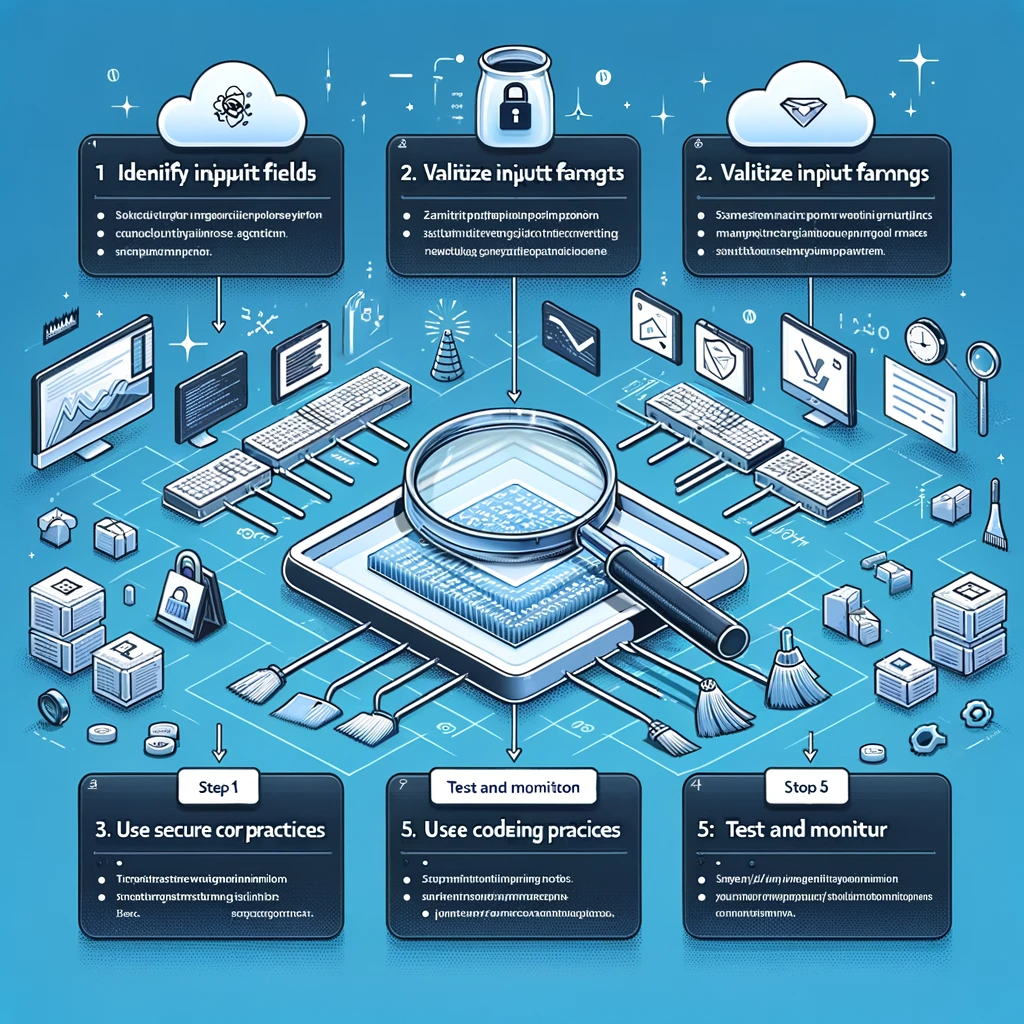
What Role Do Employees Play In Cyberattack Prevention?
What Role Do Employees Play In Cyberattack Prevention?
- Cybersecurity threats are often perceived as faceless entities, but employees are key to defense.
- Every employee, from receptionists to CEOs, plays a crucial role in maintaining cybersecurity.
- Fostering a culture of awareness through training sessions is essential for recognizing cyber threats.
- Open discussions about cybersecurity help employees understand the ‘why’ behind policies and protocols.
- Accountability is important; employees should see themselves as guardians, not just IT’s responsibility.
- Creating an empowering environment encourages employees to report suspicious activities without hesitation.
- A collective effort across all employees is needed to build a robust cybersecurity posture against attacks.

What Role Do Employees Play In Cyberattack Prevention?
How Can Technology Mitigate The Risk Of Medical Data Loss?
In a world where our health data is becoming more valuable than gold, mitigating the risk of medical data loss is not just an option; it’s a necessity. We’ve entered an age where cybersecurity measures must sit front and center, like the lead singer in a band, while everything else plays backup. Without strong defenses in place, our personal health information is an open invitation for trouble.
Let’s start with the basics. The foundation of a robust cybersecurity strategy lies in encryption—think of it as a high-tech padlock for your data. When sensitive information travels through digital corridors, encryption ensures that if it gets intercepted, it’s just a jumbled mess to prying eyes. With data breaches looming like thunderstorms on the horizon, encryption allows medical institutions to weather those storms more effectively.
But it’s not just about locking the doors; it’s also about knowing who’s entering and exiting. Multi-factor authentication plays a crucial role here. It’s like having a bouncer at the entrance of a trendy night club—everyone who wants in needs to show multiple forms of ID before gaining access. By implementing these layered security measures, healthcare organizations not only boost their defenses against unauthorized access but also provide that extra layer of peace of mind for patients.
Next up, we can’t ignore the importance of staff training. No matter how advanced your technology is, human error will always be a factor. So, organizations need to put effort into training their employees, ensuring that they know the red flags of a phishing attack or the importance of regular password changes. After all, a chain is only as strong as its weakest link, and when it comes to cybersecurity, those links are often made of people.
And let’s not forget the role of regular backups in disaster recovery plans. Think of backups as an insurance policy. If all else fails, these backups will save the day, allowing healthcare providers to restore lost data quickly and efficiently, minimizing the impact on patient care.
In summary, technology can significantly mitigate the risk of medical data loss by adopting strong cybersecurity practices, implementing multi-factor authentication, investing in staff training, and establishing regular backup protocols. It’s a team effort—by pulling all these pieces together, we create a well-oiled machine capable of withstanding whatever data storms may come our way.

How Can Technology Mitigate The Risk Of Medical Data Loss?
How Can Technology Mitigate The Risk Of Medical Data Loss?
- The value of health data necessitates robust measures to mitigate medical data loss.
- Strong cybersecurity practices, led by encryption, are essential to protect sensitive information.
- Multi-factor authentication acts as an additional security layer, allowing only authorized access.
- Staff training is crucial to reduce human errors that can compromise security.
- Regular backups are important for disaster recovery, acting as an insurance policy for lost data.
- Implementing these strategies creates a cohesive system to protect against data breaches.
- Collaboration across all areas enhances the ability to withstand cyber threats effectively.

How Can Technology Mitigate The Risk Of Medical Data Loss?
Conclusion
In conclusion, folks, we live in a world where the digital landscape is both a marvel and a minefield, especially when it comes to healthcare. Our medical data—our lifeblood in bits and bytes—is more valuable than ever, and yet, it’s under siege from cybercriminals who are growing more sophisticated by the day. These aren’t your classic movie hackers; they are well-resourced individuals with motives that can range from financial gain to outright chaos. The healthcare industry has become a prime target, and the stakes couldn’t be higher.
Imagine walking into a hospital for help, only to find that your medical history has been compromised. In a heartbeat, a simple visit for care could turn into a catastrophic failure of communication and trust—misdiagnoses, inappropriate treatments, and potentially devastating outcomes. The threats abound, from ransomware that locks facilities out of vital records, to the more insidious phishing scams that prey on unsuspecting employees—each attack capable of inflicting chaos on countless lives.
What’s more frustrating? The responsibility doesn’t solely fall on IT departments or cybersecurity firms; it’s a shared burden that extends to every employee in the organization. Employees must be trained and empowered to be vigilant defenders of sensitive data, able to recognize the signs of an infiltration, rather than waiting for the IT team to swoop in and save the day.
Healthcare organizations are responding, albeit with a urgency that must match the severity of the threats. They’re investing in strong cybersecurity protocols—think encryption, multi-factor authentication, and comprehensive training for staff on best practices. And for patients? We need to adopt a proactive approach too, ensuring our unique passwords don’t resemble the same tired old combination, and verifying communications before handing over any of our sacred information.
In the end, it’s about recognizing that the fight for our medical data is real and ongoing. The intersection of technology and healthcare demands that we remain ever vigilant, as our privacy and lives could very well depend on it. So stay informed, stay prepared, and above all, take action—because protecting your medical data isn’t just good practice, it’s a matter of life and death.

Conclusion
Conclusion:
- The digital landscape in healthcare is both beneficial and hazardous, with medical data increasingly targeted by cybercriminals.
- Cybercriminals are evolving, utilizing sophisticated techniques for motives ranging from financial gain to chaos.
- Compromised medical histories can lead to misdiagnoses, inappropriate treatments, and devastating outcomes for patients.
- The responsibility for data protection is shared among all employees, not just IT departments.
- Healthcare organizations are investing in robust cybersecurity measures, including encryption and multi-factor authentication.
- Patients should take proactive measures to protect their data, such as using unique passwords and verifying communications.
- The ongoing fight for medical data privacy requires vigilance and action from everyone involved.

Conclusion
Other Resources

Other Resources
Here is a list of other resources you can review online to learn more:
Use This Prompt To Get More Resources With Your Favorite Online AI Tool: Please provide me with a list of online articles with their URLs in a bulleted list that I can read regarding Can Cyberattacks Lead to The Loss Of Medical Information?

Other Resources
Glossary Terms
Can Cyberattacks Lead to The Loss Of Medical Information? – Glossary Of Terms
1. Cyberattack: An intentional act by cybercriminals to breach the security of a computer system or network to steal, modify, or destroy data.
2. Data Breach: An incident where unauthorized individuals gain access to sensitive information, including medical records.
3. Ransomware: A type of malicious software that encrypts a victim’s files, rendering them inaccessible until a ransom is paid.
4. Phishing: A cyberattack technique where attackers deceive individuals into providing personal information by masquerading as a trustworthy entity.
5. Malware: Short for malicious software, this encompasses various forms of harmful software designed to infiltrate and damage systems.
6. Encryption: The process of converting data into a coded format to prevent unauthorized access, crucial for protecting medical information.
7. Health Information Exchange (HIE): The electronic sharing of health-related information among different organizations and systems, which can be vulnerable to cyberattacks.
8. Electronic Health Record (EHR): Digital versions of patients’ paper charts, containing comprehensive health information that can be a target for cyberattacks.
9. HIPAA (Health Insurance Portability and Accountability Act): A U. S. law that establishes standards for protecting sensitive patient information and ensuring healthcare privacy.
10. Data Integrity: Assurance that medical data is accurate, reliable, and has not been altered or tampered with due to cyber threats.
11. Access Control: Mechanisms that limit access to information and systems to authorized users, reducing the risk of data loss during cyberattacks.
12. Intrusion Detection System (IDS): A device or software application that monitors network traffic for suspicious activities and alerts administrators to potential threats.
13. Vulnerability Assessment: The process of identifying and quantifying security weaknesses in a computer system that could be exploited in a cyberattack.
14. Incident Response Plan: A documented strategy outlining how an organization will respond to cybersecurity incidents, including data breaches involving medical information.
15. Two-Factor Authentication (2FA): A security process that requires two forms of identification for access, adding an extra layer of protection against unauthorized access.
16. Cyber Hygiene: Best practices and measures that individuals and organizations take to maintain the security and integrity of their networks and data.
17. Security Audit: A comprehensive review of an organization’s security policies and practices to ensure compliance and identify potential vulnerabilities.
18. Data Retention Policy: Guidelines outlining how long different types of medical data should be kept and when data should be securely disposed of to minimize risks.
19. Regulatory Compliance: Adherence to laws and regulations concerning the protection and confidentiality of patient information, such as HIPAA.
20. Threat Landscape: The constantly evolving range of potential cyber threats that organizations must monitor and defend against.
21. Backup and Recovery: Processes that involve copying and archiving data to restore it in case of loss due to cyberattacks or other incidents.
22. Social Engineering: Manipulative tactics used by cybercriminals to trick individuals into divulging sensitive information or granting access to secure systems.
23. Zero-Day Exploit: A security vulnerability that is unknown to the software vendor, making it a key target for cyberattacks until it is patched.
24. Digital Forensics: Techniques used to recover, analyze, and present digital data after a cybersecurity incident, often crucial for understanding data loss.
25. Interoperability: The ability of different healthcare systems and software applications to exchange and use information, potentially increasing vulnerability.
26. Cyber Insurance: A policy that helps organizations mitigate financial losses from cyber incidents, including costs related to data breaches.
27. Endpoint Security: Protection measures applied to network endpoints (e. g. , computers, mobile devices) to defend against cyber threats.
28. Insider Threat: Risks posed by individuals within an organization who may intentionally or unintentionally compromise data security.
29. Security Patch: Updates released by software vendors to fix known vulnerabilities, critical for maintaining the security of medical databases.
30. Patient Consent: Legal permission for medical information to be shared, important for ensuring compliance with privacy laws during data exchanges.

Glossary Of Terms
Other Questions
Can Cyberattacks Lead to The Loss Of Medical Information? – Other Questions
If you wish to explore and discover more, consider looking for answers to these questions:
- What are the most common types of cyberattacks on healthcare organizations?
- How can patients identify if their medical information has been compromised?
- What are the legal implications for healthcare providers following a data breach?
- What steps should patients take if their medical information is leaked?
- How do cyberattacks impact the overall healthcare delivery system?
- What technologies are most effective for cybersecurity in healthcare?
- How do regulatory bodies monitor and enforce data protection in healthcare?
- How often do healthcare providers need to update their cybersecurity measures?
- What role do patients have in enhancing their own data security?
- What are some real-life examples of cyberattacks that have affected healthcare institutions?
- How can organizations measure the effectiveness of their cybersecurity protocols?
- What training programs are available for healthcare staff regarding cybersecurity best practices?
- What is the cost of implementing comprehensive cybersecurity measures in healthcare settings?
- How does social engineering play a role in cyberattacks against medical institutions?

Other Questions
Haiku
Can Cyberattacks Lead to The Loss Of Medical Information? – A Haiku
Digital health at stake,
Cyber threats loom, data loss—
Guardians must be strong.

Haiku
Poem
Can Cyberattacks Lead to The Loss Of Medical Information? – A Poem
In Shadows Lurking: A Cyber Vigil Ballet
In the realm where bytes and lives entwine,
A battle brews beneath the digital sign.
The healthcare world, a haven turned frail,
Faces cyber threats, a darkening trail.
Hackers are lurking, not mere pranks at play,
With every keystroke, they scheme night and day.
Your medical data, a treasure to steal,
Where health whispers secrets, they seek to reveal.
Ransomware’s grip like a vice in the night,
Innocent hands stumble, shut out from the light.
A doctor, misled by a phantomed file,
Might treat the wrong patient, lost in denial.
Phishing attacks dance in carefully spun nets,
Tricking the earnest to fall for the threats.
“Click here,” they beckon, with whispers so sly,
Yet one careless move could lead to goodbye.
The rise of devices, so smart yet naïve,
Open wide doors for the thieves to perceive.
In this tech-savvy field, every gadget a key,
To unlock the fortress of privacy, free.
Yet, hope’s not diminished in this cyber war,
For knowledge and training can even the score.
Organizations rally, investing in care,
Creating a culture that’s fully aware.
Patients, too, must guard their own silent lore,
Strong passwords, two locks—a virtual door.
Emails may tease, with promises grand,
Verify always, lest trust slip like sand.
In this digital age, where stakes are so steep,
Let vigilance flourish, let awareness run deep.
Together we stand, in this murky ballet,
For lives hang in balance—protect them each day.
So heed these words, in this cyber refrain,
For every lost record brings not just pain.
In unity lies strength, in knowledge, the art,
To shield our foundations, to guard every heart.

Poem
Checklist
Can Cyberattacks Lead to The Loss Of Medical Information? – A Checklist
Checklist for Protecting Medical Data from Cyber Threats
1. Personal Cybersecurity Measures
_____ Use strong, unique passwords for all healthcare-related accounts.
_____ Enable two-factor authentication (2FA) wherever possible.
_____ Verify the source of emails or messages requesting sensitive information.
_____ Use secure patient portals to manage medical history and appointments.
_____ Avoid sharing sensitive information on social media or unsecured Wi-Fi networks.
2. Awareness and Training for Healthcare Staff
_____ Participate in regular cybersecurity training sessions.
_____ Learn to recognize phishing attempts and suspicious online behavior.
_____ Encourage open discussions about cybersecurity among staff.
_____ Understand the importance of reporting security concerns promptly.
3. Robust Security Protocols for Healthcare Organizations
_____ Implement multi-factor authentication across all systems.
_____ Invest in firewalls, encryption, and intrusion detection systems.
_____ Ensure regular updates and maintenance of cybersecurity software.
_____ Develop a comprehensive data backup plan.
4. Incident Response Planning
_____ Create and regularly update an incident response plan.
_____ Conduct drills to prepare staff for potential cyber incidents.
_____ Clearly define roles and actions to take in the event of a data breach.
5. Technology and Software Best Practices
_____ Utilize encryption for sensitive medical data during transmission and storage.
_____ Regularly back up all critical data to secure locations.
_____ Monitor and regularly audit connected devices and software for vulnerabilities.
_____ Partner with cybersecurity experts to assess and enhance security measures.
6. Ongoing Assessment and Improvement
_____ Conduct regular risk assessments to identify potential vulnerabilities.
_____ Stay updated on the latest cybersecurity threats and defenses.
_____ Foster a culture of vigilance, encouraging employees to take cybersecurity seriously.
Note: Keeping health information secure is not just a responsibility of IT personnel; it’s a collective effort that involves everyone in the healthcare system—from patients to providers. Be proactive and protective of your medical information!
Checklist
At BestCyberSecurityNews, we help teach entrepreneurs and solopreneurs the basics of cybersecurity and its impact on their businesses by using simple concepts to explain difficult challenges.
Please read and share any of the articles you find here on BestCyberSecurityNews with your friends, family, and business associates.


