Strengthening Senior Cybersecurity Through Community Initiatives
By Tom Seest
At BestCyberSecurityNews, we help teach entrepreneurs and solopreneurs the basics of cybersecurity and its impact on their businesses by using simple concepts to explain difficult challenges.
Please read and share any of the articles you find here on BestCyberSecurityNews with your friends, family, and business associates.
How Can Community Programs Improve Cybersecurity for Seniors?
The digital age is a bustling marketplace, filled with opportunities, connections, and information at our fingertips. But just like any marketplace, there are a few unsavory characters lurking around, ready to take advantage of the vulnerable. For seniors, this can often feel like navigating a dense thicket of weeds with no idea what lurks behind each bush. That’s where community programs come in to lend a helping hand.
First off, let’s get one thing straight: understanding cybersecurity is not just for tech wizards in dark rooms or college students cramming for exams. Everyone, especially seniors who might not have grown up in a world filled with computers and smartphones, can benefit from learning the basics. Community programs can provide tailored workshops that simplify complicated jargon, turning the daunting world of cybersecurity into something approachable and, dare I say, even enjoyable.
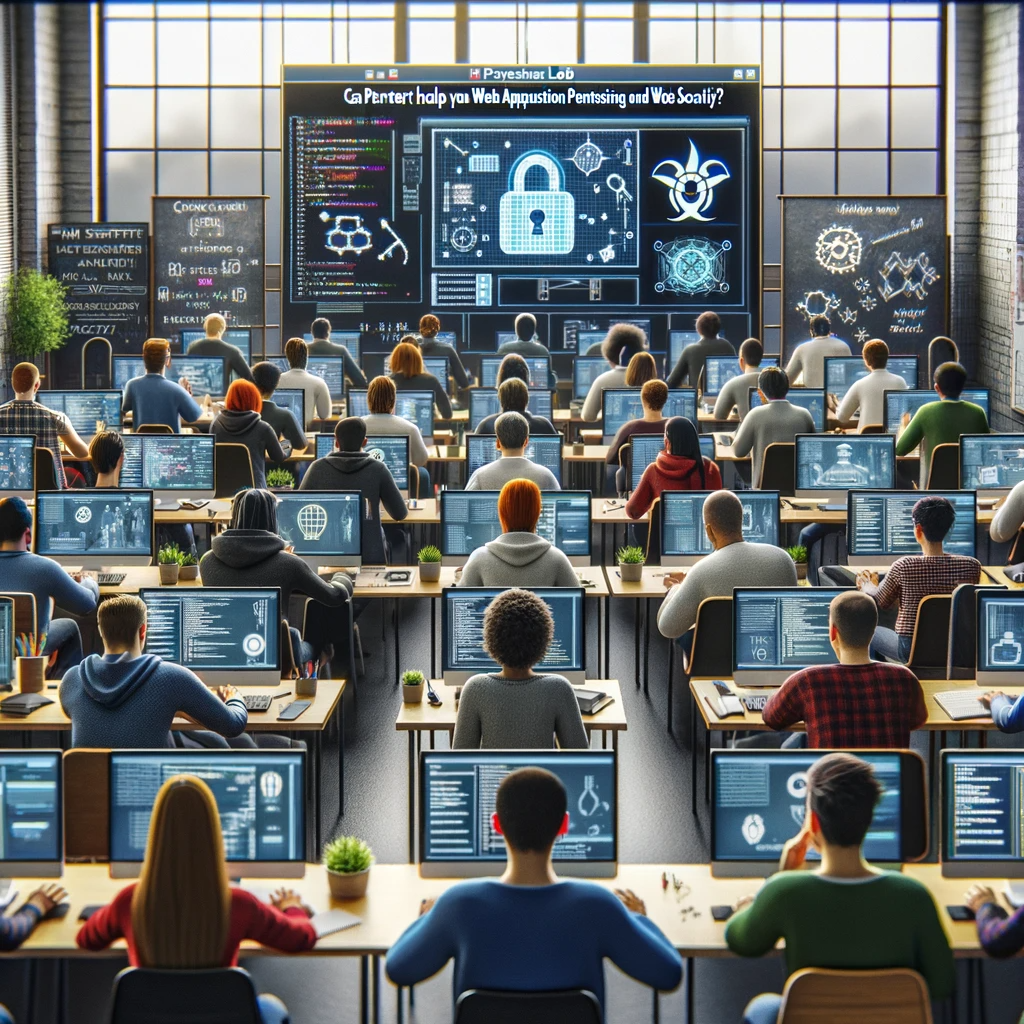
Imagine a local community center buzzing with activity – folks sitting shoulder-to-shoulder, engaged with hands-on demonstrations demonstrating how to spot a phishing email or create strong, unique passwords. These aren’t just lectures; they’re interactive sessions where seniors can ask questions, share experiences, and learn from one another. This peer-to-peer interaction fosters a sense of camaraderie and support, breaking down the intimidation factor that often accompanies technology.
Moreover, these programs can bridge the generational gap. Tech-savvy young volunteers can partner with seniors to teach them everything from basic internet navigation to secure online shopping. Think of it as a digital trade-off: the youngsters gain wisdom from life experiences to perceive how the internet affects daily life, and the seniors reap the rewards of modern technology without feeling overwhelmed.
Another crucial element of community programs is ongoing support. Establishing a single workshop is just the tip of the iceberg; creating a sustainable cybersecurity community means having regular follow-ups and refresher courses. Whether it’s monthly meet-ups or online forums where seniors can ask questions, this continuity helps reinforce good habits and keeps cybersecurity top of mind.
Finally, let’s not underestimate the power of advocacy. Community programs can empower seniors to take an active role in their online safety, encouraging them to report scams and share their stories. It’s about building not just skills, but confidence. When seniors feel equipped to face cybersecurity challenges head-on, they don’t just protect themselves—they create a safer, more informed community for everyone. After all, a strong defense is a collaboration, and together, we can elevate our safety in this vast digital landscape.

How Can Community Programs Improve Cybersecurity for Seniors?
How Can Community Programs Improve Cybersecurity for Seniors?
- The digital age presents both opportunities and dangers, particularly for seniors navigating online spaces.
- Community programs can educate seniors on cybersecurity, making complex topics accessible and engaging.
- Interactive workshops allow seniors to learn how to identify phishing emails and create strong passwords.
- Generational collaboration occurs when tech-savvy volunteers assist seniors, building mutual understanding and skills.
- Ongoing support from community programs is essential, with regular follow-ups and refresher courses.
- Advocacy is important; seniors are encouraged to report scams and share their experiences, enhancing community safety.
- A collaborative approach fosters a stronger defense against online threats, benefiting the entire community.
How Can Community Programs Improve Cybersecurity for Seniors?
Table Of Contents
- How Can Community Programs Improve Cybersecurity for Seniors?
- What Cybersecurity Risks Do Seniors Face Today?
- How Can Community Programs Help?
- What Types Of Training Should Be Offered To Seniors?
- How Can Local Organizations Collaborate To Enhance Security?
- What Resources Are Available For Senior Cybersecurity Education?
- How Can Awareness Campaigns Be Tailored For Seniors?
- What Technology Tools Can Aid Seniors In Staying Safe Online?
- Conclusion
- Other Resources
- Glossary Of Terms
- Other Questions
- Haiku
- Poem
- Checklist
What Cybersecurity Risks Do Seniors Face Today?
In today’s fast-paced digital age, the term Cybersecurity has become a buzzword that everyone from tech-savvy teenagers to seasoned professionals tosses around like confetti. Yet, there’s a particularly vulnerable group that often gets overlooked in these conversations: seniors. With the world increasingly reliant on technology, it’s crucial to shine a light on the specific cybersecurity risks seniors face today.
First off, let’s talk about the simple fact that many older adults didn’t grow up with computers and smartphones. They didn’t have the luxury of swiping their fingers to unlock a screen or streaming a video in a matter of seconds. While these advancements can be delightful, they also bring a steep learning curve. Many seniors find themselves navigating a complex online landscape without the help of a teacher or guide—leaving them ripe for exploitation by cybercriminals who exploit their unfamiliarity with technology.
One of the most considerable threats is phishing scams. These scams are often tailored to look legitimate, with emails that appear to come from banks, healthcare providers, or even family members. In the blink of an eye, an unsuspecting senior might click on a harmful link, unknowingly compromising their personal information. And let’s not forget about the social engineering tactics that target their emotions, such as pretending to be a long-lost relative in distress.
Then there’s the issue of weak passwords. A good password is like a solid lock on a door—essential for keeping the bad guys out. Unfortunately, many seniors may choose simple passwords or reuse the same one across multiple accounts for convenience. This creates an open invitation for hackers, further jeopardizing their online safety.
Moreover, online shopping and banking, though convenient, can expose seniors to significant financial risks. Without proper precautions, they might find themselves the victims of credit card fraud or identity theft. Cybersecurity tools, like antivirus software or two-factor authentication, might feel daunting to some, making it even easier for trouble to find them.
Lastly, let’s examine the ever-growing threat of social media. While platforms like Facebook and Instagram allow families to stay connected, they can also be fertile ground for fraudsters. Inappropriately shared personal information can lead to targeted attacks, leaving seniors vulnerable to a range of cyber threats.
Now more than ever, it’s essential to raise awareness about these risks. Education and support can empower seniors to navigate the digital landscape safely, ensuring that technology remains a tool for connection rather than a vector for harm.

What Cybersecurity Risks Do Seniors Face Today?
What Cybersecurity Risks Do Seniors Face Today?
- Cybersecurity is a critical issue in the digital age, particularly for seniors who may lack technological familiarity.
- Many older adults grew up without computers or smartphones, making them less adept at navigating online environments.
- Phishing scams targeting seniors often mimic legitimate sources, leading to compromised personal information.
- Seniors may use weak passwords or reuse them, increasing their vulnerability to cybercriminals.
- Online shopping and banking pose financial risks for seniors, including credit card fraud and identity theft.
- Social media platforms can expose seniors to fraud by encouraging the sharing of personal information.
- Raising awareness and providing education are essential for empowering seniors to use technology safely.

What Cybersecurity Risks Do Seniors Face Today?
How Can Community Programs Help?
In today’s fast-paced digital landscape, the rising tide of cybersecurity threats looms larger than ever. While technology evolves at lightning speed, one of our greatest lines of defense often lies within the community itself. Through engaged and informed citizenry, community programs can effectively bolster our collective cybersecurity resilience.
At the heart of these initiatives is education. Community programs provide crucial training sessions and workshops designed to shed light on the constantly changing cyber threats. Think of it as not just passing on knowledge but equipping individuals with practical skills. Workshops can cover everything from understanding phishing scams to setting up secure passwords, teaching people how to protect their personal information. By fostering a culture of awareness, these programs can turn ordinary citizens into vigilant guardians of their data.
Moreover, community programs often create a network of support that encourages collaboration between local businesses, schools, and public organizations. Imagine a neighborhood where everyone looks out for one another—not unlike the days when folks left their doors unlocked. With community connections, information about recent threats or security breaches can be shared swiftly and effectively. When everyone is tuned in and looking out for potential issues, the whole community becomes a fortified unit against cyber attacks.
Additionally, these programs can play an essential role in bridging the skills gap in the cybersecurity field. The demand for cybersecurity professionals continues to surge, and local initiatives can help identify interested individuals and provide the necessary training to launch their careers. By offering mentorship and resources, community programs can transform potential into expertise, enriching not only individuals’ lives but also the local economy.
Finally, we must acknowledge that community programs often focus on inclusivity. Cybersecurity is not just a concern for tech-savvy individuals; everyone—regardless of age or background—requires tools and knowledge to navigate the digital realm safely. Tailoring programs to cater to diverse audiences ensures that no one is left behind, promoting digital literacy across all demographics.
In summary, community programs have a vital role in the battle against cybersecurity threats. Through education, collaboration, skill-building, and inclusivity, these initiatives empower citizens to take control of their online safety. In a world where cybercriminals thrive on ignorance and fear, an informed community stands strong as a formidable shield against attacks. It’s about time we come together, share what we know, and ensure that our community is as secure as it can be.

How Can Community Programs Help?
How Can Community Programs Help?
- The rise of cybersecurity threats highlights the need for community engagement and education.
- Community programs offer training sessions and workshops to educate individuals on cybersecurity issues.
- These initiatives aim to turn citizens into vigilant guardians of their personal data.
- Programs foster collaboration among local businesses, schools, and organizations to enhance community security.
- Community initiatives help bridge the skills gap in the cybersecurity field, providing training for prospective professionals.
- Inclusivity is crucial; programs should cater to diverse audiences to promote digital literacy for all.
- Ultimately, informed communities can effectively combat cybersecurity threats by working together and sharing knowledge.

How Can Community Programs Help?
What Types Of Training Should Be Offered To Seniors?
What Types of Training Should Be Offered to Seniors?
When we think of training for seniors, it’s easy to drift toward the classic images of bingo halls or knitting circles. Let’s flip that script and dive into what really matters in today’s fast-paced world. Seniors are not just sitting in rocking chairs waiting for the next social event; they’re eager to learn and stay engaged. The key is to offer training that empowers them to navigate the modern landscape with confidence.
First off, let’s talk about technology. The digital revolution isn’t just for the young. Offering training in basic computer skills is essential. Everything from setting up an email account to understanding how to shop online safely can help seniors feel more connected. Let’s not forget about the looming threat of cyberattacks. Cybersecurity training is incredibly important. Seniors need the skills to recognize phishing attempts, manage passwords, and protect their personal information. A little knowledge in this area goes a long way toward ensuring they can wander through the online world without fear.
Then, there’s health and wellness. As we age, maintaining good health becomes more pressing. Why not offer workshops on nutrition, fitness, and mindfulness? It’s about more than just physical activity; it’s about fostering a holistic approach to well-being. Training that teaches seniors about managing chronic conditions or leveraging technology for telehealth services can transform their daily lives. Imagine them setting up a virtual appointment with their doctor, feeling empowered and in control.
Don’t overlook financial literacy either. Many seniors find themselves navigating new financial landscapes—whether it’s retirement planning, understanding investments, or simply managing a budget. Workshops that address these topics can provide invaluable guidance. They need to feel equipped to make informed decisions without relying solely on others.
Finally, let’s not forget interpersonal skills. Social engagement and communication training can help seniors stay active in their communities. Learning how to use social media platforms can enable them to connect with family and friends across the globe, bridging generational divides and fostering relationships that enhance their lives.
The types of training offered to seniors should be a blend of practical skills and personal development. Let’s strip away the outdated notions of what it means to be a senior and embrace a future filled with connections, confidence, and a thirst for knowledge. After all, it’s never too late to learn something new!

What Types Of Training Should Be Offered To Seniors?
What Types Of Training Should Be Offered To Seniors?
- Training for seniors should focus on empowering them to engage with the modern world.
- Essential technology training includes basic computer skills and cybersecurity awareness.
- Health and wellness workshops covering nutrition, fitness, and chronic condition management are vital.
- Financial literacy training helps seniors navigate retirement planning and budgeting.
- Interpersonal skills training fosters social engagement and communication within communities.
- Social media training allows seniors to connect with family and friends globally.
- The goal is to provide a blend of practical skills and personal development for seniors.

What Types Of Training Should Be Offered To Seniors?
How Can Local Organizations Collaborate To Enhance Security?
In the ever-evolving landscape of security, local organizations are realizing that working out of silos just isn’t cutting it anymore. Whether you run a small tech startup or are in charge of a local community center, security is a shared concern that calls for collaboration. You might wonder how a bunch of seemingly unrelated entities could band together effectively, but trust me, it’s possible and quite powerful.
First off, let’s talk about Cybersecurity. In today’s world, it’s not just the big corporations that are targets; local businesses and organizations are vulnerable as well. When one organization suffers a breach, everyone in the community feels the ripple effects. Therefore, pooling resources with fellow local organizations can create a formidable defense network. Workshops focused on cybersecurity best practices can be organized to educate members on how to protect their digital infrastructures. Imagine a series of engaging, hands-on sessions where experts can walk participants through the latest threats and prevention methods.
Next, consider establishing a local security coalition. By forming partnerships with law enforcement agencies, you create a direct line of communication. These partnerships can help provide real-time updates on emerging threats or trends, making sure everyone stays informed. Regular meetings can foster relationships and develop a community-wide incident response plan. Nothing builds confidence like knowing your neighbors have your back when something goes awry.
Don’t forget about collaborative training initiatives. Pooling resources allows organizations to bring in expert instructors who can conduct specialized training sessions for employees across various sectors. One organization might not have the budget to bring in a cybersecurity expert alone, but together, you create bargaining power that benefits everyone.
Lastly, creating a unified front goes beyond just physical and digital safety. Hosting community events can promote awareness around security issues while also fostering relationships between residents and organizations. Picture a neighborhood block party where everyone enjoys food, fun, and learning about how to keep their homes and businesses secure.
By sharing knowledge, resources, and strategies, local organizations can enhance security for everyone. After all, it’s not just about protecting your own house; it’s about keeping the entire neighborhood safe and sound. When we put our heads together, we can tackle even the most daunting challenges. So let’s roll up those sleeves, collaborate, and build a community that stands strong against any threat.

How Can Local Organizations Collaborate To Enhance Security?
How Can Local Organizations Collaborate To Enhance Security?
- Local organizations are realizing the need for collaboration in security efforts.
- Cybersecurity threats affect not only large corporations but also local businesses and organizations.
- Pooled resources can create a strong defense network against security breaches.
- Establishing partnerships with law enforcement can facilitate real-time threat updates.
- Collaborative training initiatives help organizations access expert instructors to improve security skills.
- Community events can raise awareness about security issues and foster relationships among residents and organizations.
- By working together, local organizations can enhance overall community security and tackle challenges more effectively.

How Can Local Organizations Collaborate To Enhance Security?
What Resources Are Available For Senior Cybersecurity Education?
When it comes to embarking on a journey into the world of cybersecurity, you might think the road is paved only for the tech-savvy whiz kids. But let me tell you, that’s a misconception that needs to be tossed out with the old laptops. The truth is, there’s a whole buffet of resources available that cater not just to the young, but to seasoned pros also eager to pick up new tricks in the digital landscape.
First, let’s talk about online courses. Platforms like Coursera, edX, and Udemy have opened their virtual doors to seniors looking to dive into cybersecurity. These platforms offer comprehensive courses designed by industry experts, allowing you to learn at your own pace. Whether you’re just starting or looking to advance your existing skills, the options are as varied as the snacks at a high school reunion.
Next up are community colleges and universities. Many institutions offer tailored cybersecurity programs specifically for adult learners. These aren’t your average lectures filled with jargon; they are practical, hands-on classes that teach vital skills ranging from networking fundamentals to ethical hacking. Plus, you can always take advantage of the social interactions with other students—because nothing beats discussing firewall protocols over a cup of coffee.
Let’s not forget about books and webinars. There’s a treasure trove of literature out there ranging from beginner’s guides to advanced technical manuals. Many local libraries even host cybersecurity workshops or provide access to online resources that can help you stay updated on the latest threats and defenses. Similarly, webinars conducted by cybersecurity experts allow you to gain insights without having to leave your living room.
And for those who prefer a more interactive approach, local community organizations often host networking events and hands-on workshops. These gatherings are perfect for sharing knowledge, grabbing tips from industry veterans, and building connections that can lead to mentorship opportunities.
Lastly, don’t overlook the value of cybersecurity forums and online communities. Platforms like Reddit and LinkedIn groups are bustling with discussions, tips, and advice that can help guide you on your educational journey.
So, whether you’re a retired professional looking to pivot or a lifelong learner eager to tackle new challenges, the resources available for senior cybersecurity education are as diverse as they are plentiful. Roll up your sleeves, get out there, and don’t be afraid to jump in. The world of cybersecurity is waiting for you.

What Resources Are Available For Senior Cybersecurity Education?
What Resources Are Available For Senior Cybersecurity Education?
- Cybersecurity is accessible for people of all ages, not just the tech-savvy.
- Online platforms like Coursera, edX, and Udemy offer comprehensive cybersecurity courses for seniors.
- Community colleges and universities provide practical, hands-on cybersecurity programs tailored for adult learners.
- Books and webinars serve as valuable resources for learning about cybersecurity, including local library workshops.
- Local community organizations host networking events and workshops for knowledge exchange and mentorship opportunities.
- Cybersecurity forums and online communities on platforms like Reddit and LinkedIn offer discussions and advice.
- The resources available for senior cybersecurity education are diverse and plentiful, encouraging lifelong learning.

What Resources Are Available For Senior Cybersecurity Education?
How Can Awareness Campaigns Be Tailored For Seniors?
When it comes to awareness campaigns tailored for seniors, the approach needs to be as thoughtful as it is effective. You see, many seniors have spent decades navigating the world without the digital resources that younger generations take for granted. So, understanding how to engage this audience is key, especially when it comes to critical topics like cybersecurity.
First and foremost, simplicity is paramount. The language used in these campaigns should be clear and straightforward. Avoid jargon that might sound impressive but leaves the audience confused. With topics like cybersecurity, seniors need to grasp the basic concepts without getting lost in tech-speak. For instance, instead of talking about encryption and firewalls, focus on how protecting personal information online is similar to locking the door at home.
Next, personalization plays an important role in connecting with seniors. Sharing stories or testimonials from people within their age group can make a notable impact. When seniors hear about their peers successfully navigating cybersecurity threats—like those pesky phishing emails or identity theft—they’re more likely to pay attention. The message should resonate on a personal level; they need to know that it’s not just a ‘young person’s problem,’ but one that can affect anyone, regardless of age.
Furthermore, utilize familiar and accessible platforms to spread awareness. While social media may not be the go-to for a senior, local community centers and places of worship often are. Organizing workshops or seminars in these spaces allows for an interactive environment where seniors can ask questions and engage in discussions. Visual aids—like brochures or simple infographics—can help reinforce the message, making complex ideas much easier to digest.
Lastly, leverage the power of repetition. Consistent messaging about cybersecurity will help reinforce the importance of being vigilant. Consider establishing a monthly “safety check” session that reminds seniors to protect their online information, just like they would review their finances or medications.
The goal isn’t just to inform, but to empower. By tailoring campaigns specifically for seniors with clarity, relatability, and accessibility, we can create an educated community that isn’t just aware of cybersecurity but is proactive in protecting themselves. When they grasp the importance of safeguarding their digital lives, we take a giant leap toward a more secure future for everyone.

How Can Awareness Campaigns Be Tailored For Seniors?
How Can Awareness Campaigns Be Tailored For Seniors?
- Awareness campaigns for seniors must be thoughtful and effective due to their limited digital resources.
- Simplicity in language is crucial; avoid jargon and use relatable concepts to explain cybersecurity.
- Personalization is key; sharing peer testimonials helps seniors relate and engage with the message.
- Utilize familiar platforms like community centers and places of worship for outreach and education.
- Interactive workshops and visual aids, such as brochures or infographics, can enhance understanding.
- Repetition of messaging about cybersecurity builds awareness and reinforces the importance of vigilance.
- The aim is to empower seniors to proactively protect their digital lives, contributing to overall security.

How Can Awareness Campaigns Be Tailored For Seniors?
What Technology Tools Can Aid Seniors In Staying Safe Online?
In today’s digital age, staying safe online is not just a concern for the tech-savvy; it’s a crucial priority for everyone, especially our seniors. The internet can be a vast, wild frontier filled with potential dangers, from phishing scams to data breaches. But fear not, because a variety of technology tools are at our disposal to help keep our elderly loved ones secure in this online landscape.
First up is cybersecurity software. This isn’t just a fancy term tossed around by tech geeks; it’s your first line of defense against the digital bad guys lurking in the shadows. Comprehensive suites include antivirus programs and firewalls that help identify and block potential threats before they can cause harm. Tools like Malwarebytes or Norton can serve as vigilant protectors, ensuring that malicious software doesn’t have a chance to sneak onto your device.
Next, we have password managers. These nifty applications are like a safe deposit box for your passwords. They store and encrypt your credentials, making it easy for seniors to create strong, unique passwords for all their accounts without the hassle of remembering each one. LastPass and 1Password are great options that take the headache out of password management—no more sticky notes on the desk or trying to remember variations of “grandma123”!
Don’t forget about two-factor authentication (2FA). This is like putting up a second lock on the door. Even if someone does manage to get hold of a password, they’ll still need that secondary confirmation to break in. Many services, including Google and Facebook, offer this added layer of security, and it’s a simple yet effective way to bolster your defenses.
Moreover, we’ve got phone safety apps. With the rise of smartphones, tools like Lookout can help protect seniors from phishing attempts and malware, all while providing alerts about suspicious activities on their devices.
Lastly, we must not underestimate the power of education. Familiarizing seniors with the basic principles of online safety—such as recognizing suspicious emails and avoiding unknown links—can be incredibly effective. Workshops and resources tailored to older adults can demystify the internet, empowering them to enjoy it without the fear of being taken advantage of.
In summary, while the online world can feel overwhelming, the right technology tools can arm seniors with the ability to navigate it safely. With the right support and resources, they can embrace the digital age without looking over their shoulders!

What Technology Tools Can Aid Seniors In Staying Safe Online?
What Technology Tools Can Aid Seniors In Staying Safe Online?
- Staying safe online is essential for everyone, particularly seniors.
- Cybersecurity software, such as Norton and Malwarebytes, helps protect against digital threats.
- Password managers, like LastPass and 1Password, securely store and encrypt passwords for easy access.
- Two-factor authentication (2FA) adds an extra layer of security beyond just passwords.
- Phone safety apps, such as Lookout, protect against phishing and malware on smartphones.
- Education on online safety is crucial for seniors to recognize threats and navigate the internet confidently.
- With the right tools and support, seniors can enjoy the digital world safely and securely.

What Technology Tools Can Aid Seniors In Staying Safe Online?
Conclusion
Well folks, we’ve taken a deep dive into a topic that’s becoming increasingly vital: how community programs can bolster cybersecurity for seniors. In this fast-paced digital world, it’s easy to forget that not everyone grew up with a smartphone glued to their hands. For our older population, navigating the online landscape can feel like trying to read a map in a foreign language. That’s where community initiatives step in as a friendly compass, guiding them toward safer online practices.
Let’s face it: the digital marketplace offers unparalleled opportunities, but it also attracts nefarious characters looking to exploit the unwary. Seniors are particularly vulnerable, often lacking the technical know-how to recognize threats like phishing scams or counterfeit websites. Community programs can provide hands-on workshops designed to demystify these threats, transforming trepidation into confidence. Imagine seniors sitting together, sharing stories while learning how to create strong passwords or recognize sketchy email links. This isn’t just educational; it’s community building at its finest.
Equally important is the intergenerational connection formed through these initiatives. Young tech-savvy volunteers can step up as mentors, showing seniors the ropes of modern technology. It’s a win-win: the youth gain invaluable life lessons, while seniors gain the digital know-how that can empower them in their daily lives—be it shopping online or keeping in touch with family.
But let’s not just stop at one-off workshops. A sustainable cybersecurity community needs ongoing support in the form of monthly meet-ups or online forums, creating a safe haven for seniors to ask questions and share experiences. This structure not only reinforces what they’ve learned but also nurtures lasting relationships among participants.
Advocacy is another critical piece of the puzzle. By equipping seniors with the skills and knowledge to protect themselves, we empower them to become active participants in their cybersecurity. Encouraging them to report scams or share cautionary tales fosters a culture of vigilance that benefits the entire community.
In short, it all comes down to collaboration. Through education, mentorship, and shared resources, we can create a digital fortress that not only protects our seniors but enriches our communities as a whole. As we embrace the digital age, let’s ensure no one is left behind. Together, we can create a safer, more informed neighborhood—because a thriving community is one that looks out for its most vulnerable members. So let’s roll up our sleeves and get to work!

Conclusion
Conclusion:
- Community programs can enhance cybersecurity for seniors in the digital age.
- Seniors often lack the technical skills to identify online threats like phishing scams.
- Workshops help seniors learn essential skills like password creation and recognizing scam emails.
- Intergenerational connections are fostered, with young volunteers mentoring seniors.
- Ongoing support through monthly meet-ups or online forums reinforces learning and builds relationships.
- Empowering seniors to report scams encourages a culture of vigilance in the community.
- Collaboration through education and shared resources helps create a safer environment for all.

Conclusion
Other Resources

Other Resources
Here is a list of other resources you can review online to learn more:
- NexusTek
- Philantech3
- SeedSpark
- BLOKWORX
- Warren Averett Technology Group
- WordPress
- Atos
- Cybersafe Solutions
- Cyber Defense Labs
Use This Prompt To Get More Resources With Your Favorite Online AI Tool: Please provide me with a list of online articles with their URLs in a bulleted list that I can read regarding How Can Community Programs Improve Cybersecurity for Seniors?

Other Resources
Glossary Terms
How Can Community Programs Improve Cybersecurity for Seniors? – Glossary Of Terms
1. Cybersecurity: The practice of protecting systems, networks, and programs from digital attacks, theft, and damage.
2. Phishing: A type of cyber attack where attackers attempt to deceive individuals into providing sensitive information, often via fraudulent emails.
3. Malware: Malicious software designed to harm or exploit any programmable device, service, or network.
4. Firewall: A network security system that monitors and controls incoming and outgoing network traffic based on predetermined security rules.
5. Password Management: The practice of creating, storing, and organizing passwords securely to enhance account security.
6. Two-Factor Authentication (2FA): An extra layer of security requiring not just a password but also a verification code sent to a second device.
7. Digital Literacy: The ability to effectively use technology, including understanding online safety and security practices.
8. Community Outreach: Strategies designed to engage and educate community members, especially seniors, about cybersecurity practices.
9. Training Workshops: Educational sessions aimed at teaching seniors about online safety, safe browsing habits, and recognizing cybersecurity threats.
10. Social Engineering: A manipulation technique that exploits human psychology to gain confidential information from individuals.
11. Safe Browsing: Practices that protect users from online threats, ensuring a secure experience on the internet.
12. Data Privacy: The proper handling and protection of sensitive information, ensuring it is not misused or compromised.
13. Incident Response: A structured approach to handle and manage the aftermath of a cybersecurity breach or attack.
14. User-Friendly Technology: Devices and software designed with simplicity in mind, making them accessible for seniors and less tech-savvy individuals.
15. Cyber Hygiene: Best practices and steps individuals can take to maintain digital security and safety online.
16. Security Software: Programs designed to detect and prevent unauthorized access to computers and networks, such as antivirus and anti-malware tools.
17. Online Scams: Fraudulent schemes that take place on the internet, often targeting vulnerable populations like seniors.
18. Community Partnerships: Collaborations between organizations and local entities to provide cybersecurity resources and training to seniors.
19. Information Sessions: Gatherings aimed at sharing knowledge and resources about cybersecurity threats and protective measures.
20. Risk Awareness: Understanding the potential threats and vulnerabilities unique to seniors in the context of cybersecurity.
21. Secure Wi-Fi Practices: Guidelines for properly securing a home Wi-Fi network to prevent unauthorized access.
22. Cybersecurity Resources: Tools, guides, and support services available to help individuals protect themselves online.
23. Tech Support: Assistance provided to users experiencing issues with technology, including troubleshooting cybersecurity problems.
24. Elder Advocacy: Efforts aimed at promoting the rights and digital security of seniors, ensuring their voices are heard.
25. Community Resilience: The ability of a community to prepare for, respond to, and recover from cyber threats while supporting its members.
26. Information Literacy: The ability to recognize when information is needed and to locate, evaluate, and effectively use it.
27. Scareware: Malware designed to trick victims into buying unnecessary security software by claiming their computer is infected.
28. Support Groups: Gatherings where seniors can share experiences, receive support, and learn collectively about cybersecurity.
29. Elder Abuse Prevention: Strategies to protect seniors from exploitation and fraud, including online predatory behaviors.
30. User Engagement: Encouraging active participation of seniors in workshops and resources to improve their cybersecurity knowledge and practices.

Glossary Of Terms
Other Questions
How Can Community Programs Improve Cybersecurity for Seniors? – Other Questions
If you wish to explore and discover more, consider looking for answers to these questions:
- What are common phishing tactics that target seniors?
- How can seniors identify scam emails or calls?
- What role do family members play in supporting seniors’ cybersecurity?
- Are there age-specific cybersecurity certifications for seniors?
- How often should seniors update their passwords?
- What local resources are available for seniors to learn cybersecurity?
- What should seniors do if they fall victim to a cyberattack?
- How can technology be simplified for seniors to better understand it?
- What are the legal resources available for reporting cyber crimes against seniors?
- How can community programs measure the effectiveness of their cybersecurity training?

Other Questions
Haiku
How Can Community Programs Improve Cybersecurity for Seniors? – A Haiku
Community programs guide,
Seniors learn to defend,
Together we stand.

Haiku
Poem
How Can Community Programs Improve Cybersecurity for Seniors? – A Poem
In a bustling digital age, where shadows creep,
Seniors find themselves, in cyberspace, deep.
Navigating thickets where dangers lie,
Community programs lend a watchful eye.
Workshops unfold, with wisdom to share,
Turning jargon to knowledge, easing their care.
Hands-on learning, phishers to evade,
Building bonds of trust where fears can fade.
Generations meet in a dance of exchange,
Young minds teaching, hearts that arrange.
From passwords strong to navigating the net,
Together they conquer, no room for regret.
Ongoing support, not just a one-time show,
Fostering safety as connections grow.
Letting seniors feel their power ignite,
Reporting the scams, reclaiming their light.
With advocacy thriving, confidence swells,
A community’s strength where everyone dwells.
Empowered not just to protect their domain,
But weaving a tapestry of communal gain.
From phishing to passwords, the risks are laid bare,
Yet knowledge and tools create armor to wear.
With education as weapon, and support as the shield,
Each heart in the community, a fortress revealed.
So let’s gather together, the old and the young,
In the rhythm of learning, a new song is sung.
For senior cybersecurity is a shared endeavor,
In this digital landscape, together we’ll weather.

Poem
Checklist
How Can Community Programs Improve Cybersecurity for Seniors? – A Checklist
1. Understanding Cybersecurity Basics
_____ Attend community workshops on cybersecurity fundamentals.
_____ Learn to recognize common cyber threats, like phishing scams.
2. Practical Skills Development
_____ Participate in hands-on demonstrations on creating strong, unique passwords.
_____ Practice identifying suspicious emails and internet scams.
3. Ongoing Support and Resources
_____ Join monthly community meet-ups focused on technology and cybersecurity.
_____ Subscribe to online forums or local groups dedicated to cybersecurity discussions.
4. Building Intergenerational Connections
_____ Engage with tech-savvy volunteers from local schools or universities.
_____ Establish peer-to-peer mentorship programs within the community.
5. Financial Literacy and Safety
_____ Attend workshops on safe online banking and shopping.
_____ Learn about protecting personal financial information from theft.
6. Utilizing Cybersecurity Tools
_____ Familiarize yourself with cybersecurity software (antivirus, firewalls).
_____ Explore password manager applications for secure password storage.
7. Advocacy and Awareness
_____ Participate in advocacy campaigns to report scams or threats.
_____ Share personal experiences with peers to foster community dialogue.
8. Ongoing Education
_____ Explore online courses tailored for seniors (Coursera, edX).
_____ Read books or attend webinars about cybersecurity.
9. Creating a Supportive Environment
_____ Join local community events focusing on cybersecurity education.
_____ Encourage neighbors to form supportive networks for sharing information and experiences.
10. Maintaining Digital Wellness
_____ Review personal online safety practices regularly.
_____ Stay informed about the latest cybersecurity threats and trends.
By following this checklist, seniors can take proactive steps toward improving their cybersecurity awareness and practices within their communities, fostering a safer digital environment for themselves and others.

Checklist
At BestCyberSecurityNews, we help teach entrepreneurs and solopreneurs the basics of cybersecurity and its impact on their businesses by using simple concepts to explain difficult challenges.
Please read and share any of the articles you find here on BestCyberSecurityNews with your friends, family, and business associates.