


Unlock Your Cybersecurity Future: Master Ethical Hacking With Pentesterlab
By Tom Seest
At BestCyberSecurityNews, we help teach entrepreneurs and solopreneurs the basics of cybersecurity and its impact on their businesses by using simple concepts to explain difficult challenges.
Please read and share any of the articles you find here on BestCyberSecurityNews with your friends, family, and business associates.
What Is Pentesterlab Bootcamp In Cybersecurity?
PentesterLab Bootcamp in Cybersecurity is more than just a training program; it’s a pathway, a bridge to a world where you can protect the digital realm and make a tangible difference in people’s lives. Imagine rolling up your sleeves, diving into real-world scenarios, and learning to think like a hacker to defend against them. It’s about building skills through practical experience, where every challenge faced is a lesson learned and a step toward mastery.
Picture this: you’re in a room full of like-minded individuals, all eager to understand the depths of pentesting. Each module brings hands-on labs that mirror actual security breaches, giving you the gut-check you need to tackle real issues. This isn’t textbook learning; it’s an immersive experience that resonates with your everyday struggles and triumphs in the cybersecurity field. Each exercise feels like stepping into the shoes of a hero on a mission—stopping threats in their tracks, protecting communities, and restoring peace of mind.
The ethical dimension of cybersecurity becomes clear as you navigate through vulnerabilities. Those skills you acquire aren’t just for personal gain; they’re tools for safeguarding businesses, families, and individuals from harm. In a world where every click could lead to chaos, PentesterLab empowers you to be the sentinel, the one who ensures that safety is prioritized. Making that shift from learner to protector instills a sense of responsibility that weighs heavily yet carries pride.
You might be wondering about credibility. PentesterLab has established itself as an authority in the cyber realm, with a proven track record that speaks volumes. Their comprehensive curriculum is crafted by experts who understand the landscape inside and out. They’ve walked the path you’re about to take and are willing to share their insights, turning your apprehensions into confidence.
Moreover, the camaraderie found among fellow learners fosters a sense of community, turning this journey into a shared narrative filled with support and encouragement. Tapping into that social aspect makes the struggle a bit easier, knowing others are right there beside you, sharing both setbacks and victories. As the world grows more connected, the call to action becomes louder. Join PentesterLab Bootcamp; equip yourself to tackle tomorrow’s cybersecurity challenges with skill, confidence, and an unwavering commitment to integrity.

What Is Pentesterlab Bootcamp In Cybersecurity?
What Is Pentesterlab Bootcamp In Cybersecurity?
- PentesterLab Bootcamp offers a hands-on training program aimed at cybersecurity skills development.
- Participants engage in real-world scenarios, learning to think like hackers to better defend against cyber threats.
- The program emphasizes practical experience with labs that simulate actual security breaches.
- It fosters a sense of responsibility and ethical awareness in cybersecurity practices.
- PentesterLab is recognized for its authority and credibility in the field, delivering a curriculum created by industry experts.
- The bootcamp encourages community building among learners, providing support throughout the learning journey.
- Participants are equipped to tackle future cybersecurity challenges with confidence and integrity.

What Is Pentesterlab Bootcamp In Cybersecurity?
Table Of Contents
- What Is Pentesterlab Bootcamp In Cybersecurity?
- What Challenges Do Beginners Face In Cybersecurity Training?
- How Can Pentesterlab Enhance Your Technical Skills Effectively?
- What Real-World Scenarios Does Pentesterlab Cover?
- How Does Hands-On Practice Affect Learning In Cybersecurity?
- What Ethical Considerations Are Crucial In Penetration Testing?
- How Do Industry Experts View the Importance Of Practical Training?
- What Skills Should Every Aspiring Pentester Develop?
- Conclusion
- Other Resources
- Glossary Of Terms
- Other Questions
- Haiku
- Poem
- Checklist
What Challenges Do Beginners Face In Cybersecurity Training?
Stepping into the world of cybersecurity can feel like diving into a sea of endless complexity. For beginners, the sheer volume of information can be overwhelming. There are acronyms flying around like CISSP, VPN, and DDoS, making it tough to translate that jargon into something that feels tangible and applicable. It’s a bit like trying to learn a foreign language while being thrown into a crowded marketplace—everyone speaks it fluently, but you’re just trying to find the bathroom.
Emotionally, the stakes are high. Cybersecurity isn’t just about firewalls and encryption; it’s about safety—our digital footprint, our privacy, and even our livelihoods. When a novice realizes the weight of this responsibility, a certain anxiety can creep in. It’s a gut-wrenching realization that one small mistake could leave them or their organization vulnerable. Connecting to that risk often ignites a fire to learn, but it can also lead to paralyzing self-doubt.
Rationally speaking, finding relevant resources becomes a mythic quest in itself. There are countless online courses, YouTube tutorials, and forums, leading to confusion about where to invest time and energy. Many beginners bounce from one resource to another, often frustrated by the lack of a clear path. It’s akin to sifting through a junkyard of information, where a gold nugget can be hidden amongst piles of rusty old machinery.
Ethically, individuals entering this field grapple with questions of trust and integrity. They wonder, “Am I capable of protecting sensitive information?” and “How do I ensure I’m not contributing to the very problems I wish to resolve?” This moral conundrum can weigh heavy, but it’s also an invaluable motivator. Understanding that their role can be a shield against cyber threats provides both purpose and direction.
The social aspect of training can’t be overlooked. Beginners often feel isolated in their learning journey. Unlike other fields where group projects are common, cybersecurity training can be solitary. The challenge lies in breaking into networks and finding mentors. When connections are made, they can become a beacon of advice and encouragement, making the journey less daunting.
Lastly, the narrative of resilience stands tall. Every expert once stood where beginners do now: uncertain and grappling with a steep learning curve. Building a career in cybersecurity requires persistence, and that grit can transform initial struggles into expertise. Each stumble is a lesson; each challenge, an opportunity to grow. Embracing this journey, beginners will find that through dedication and community, they can evolve into the very protectors the digital world needs.

What Challenges Do Beginners Face In Cybersecurity Training?
What Challenges Do Beginners Face In Cybersecurity Training?
- Cybersecurity can be overwhelming for beginners due to complex jargon and vast information.
- The emotional stakes are high, involving personal safety, privacy, and potential vulnerability to mistakes.
- Finding relevant learning resources can be challenging, leading beginners to feel lost and frustrated.
- Ethical concerns about trust and integrity can motivate learners to improve and excel in the field.
- Social isolation in training makes finding mentors and networks crucial for support.
- Resilience is key; every expert was once a beginner, and perseverance leads to growth and expertise.
- With dedication and community engagement, beginners can become vital protectors of the digital world.

What Challenges Do Beginners Face In Cybersecurity Training?
How Can Pentesterlab Enhance Your Technical Skills Effectively?
When you’re diving into the world of cybersecurity, it can feel like you’re standing at the edge of a vast ocean with no idea how to swim. In a field where knowledge translates directly to security, having the right tools and training is crucial. Enter Pentesterlab. It’s not just a training platform; it’s a community and a valuable resource designed to bridge the gap between beginner fears and the seasoned expertise required to navigate today’s cyber landscape.
Think of it like learning to fix things in your garage. You don’t just read about how to change the oil; you get your hands dirty. Pentesterlab offers a hands-on approach to cybersecurity that makes it relatable. You won’t just stare at endless theory; you’ll encounter real-world scenarios that require critical thinking and practical skills. Picture yourself tackling a challenge that simulates a genuine attack. You’re not just watching; you’re actively participating, learning from your mistakes, and growing stronger with every attempt. This approach fosters a level of confidence that theory alone can’t provide.
Rationality comes into play here, too. As the digital world grows, the threats evolve, making the knowledge from Pentesterlab not just useful but essential. By developing hands-on skills, you become more than a spectator; you become an active defender capable of identifying vulnerabilities before they’re exploited. This isn’t just about personal growth; it’s about contributing to a larger ethical obligation—protecting individuals and businesses from the rampant threats that lurk online.
The narrative of pentesting is one of vigilance, creativity, and dedication. With Pentesterlab’s diverse range of labs and exercises, you’ll see yourself not just as a learner but as a part of a vital journey towards cybersecurity. You’ll learn how to defend not just systems but the trust they represent. Each module completed fosters a sense of accomplishment, creating connections within the community as you share victories and insights.
In a world where your skills can mean the difference between security and vulnerability, Pentesterlab isn’t just another educational tool; it’s a lifeline for those eager to make a difference. Embrace the experience, nurture your skills, and contribute to keeping the digital world safe. With Pentesterlab, your growth in cybersecurity isn’t just possible; it’s absolutely achievable.

How Can Pentesterlab Enhance Your Technical Skills Effectively?
How Can Pentesterlab Enhance Your Technical Skills Effectively?
- Pentesterlab serves as both a training platform and a community resource for cybersecurity professionals.
- It emphasizes a hands-on approach, allowing users to engage with real-world scenarios rather than relying solely on theory.
- Participants tackle simulated attacks, gaining critical thinking and practical skills through active involvement.
- The platform helps users develop the confidence needed to identify and address vulnerabilities effectively.
- Pentesterlab contributes to a larger ethical obligation to protect individuals and businesses from cyber threats.
- Users experience a sense of accomplishment and community by sharing insights and victories throughout their learning journey.
- Pentesterlab is seen as a lifeline for those looking to enhance their cybersecurity skills and contribute to a safer digital world.

How Can Pentesterlab Enhance Your Technical Skills Effectively?
What Real-World Scenarios Does Pentesterlab Cover?
In the world of cybersecurity, understanding the threats lurking around every corner is crucial. Pentesterlab dives into real-world scenarios that paint a vivid picture of what it means to defend against cyber risks. Imagine you’re in the trenches, hands dirty; this isn’t just theory. It’s about tackling genuine vulnerabilities you might face on the job daily. From the simplicity of misconfigured servers to the complexities of dealing with SQL injection attacks, Pentesterlab’s scenarios resonate because they are rooted in reality.
When you see a scenario where a careless mistake leads to a breach, it hits home. It’s like the time someone you know neglected to lock their front door, and suddenly their sense of security vanished. That gut-punch feeling is what drives home the importance of knowing how to patch those holes in your defenses. Each module invites you to engage, to look deeper, and recognize that every oversight carries potential consequences.
On a rational level, Pentesterlab provides a structured approach to learning. It breaks down various attack vectors systematically, allowing you to grasp the underlying principles that govern cybersecurity. Each lesson builds on the last, forming a solid foundation that gives you the tools you need to tackle incidents head-on. You don’t just memorize the steps; you learn to think like an attacker—an invaluable skill in today’s digital landscape.
Ethically, there’s a profound responsibility that comes with understanding these techniques. Cybersecurity isn’t just about protecting data; it’s about safeguarding people’s lives, livelihoods, and identities. Pentesterlab emphasizes this sense of duty, fostering a culture of professionalism and accountability among learners. It’s an invitation to be part of something larger—a community dedicated to making the digital world a safer place.
Socially, engaging with fellow learners and professionals amplifies the experience. You’re not alone in this journey. As you share insights or struggles, bonds form over shared challenges, and that camaraderie becomes a powerful motivator for continuous improvement.
When you close your learning session, you feel emboldened, equipped with not just knowledge but a sense of purpose. It’s about standing guard at the gates of cyberspace, ready to confront whatever comes your way, knowing that you’ve prepared for this moment with the right skills and mindset. With Pentesterlab, you aren’t just learning; you’re stepping into a role that matters in the fight for cybersecurity.

What Real-World Scenarios Does Pentesterlab Cover?
What Real-World Scenarios Does Pentesterlab Cover?
- Understanding cybersecurity threats is essential for effective defense.
- Pentesterlab offers real-world scenarios, focusing on genuine vulnerabilities faced in the field.
- Modules teach the importance of recognizing careless mistakes that can lead to breaches.
- Provides a structured learning approach, breaking down attack vectors and fostering critical thinking.
- Emphasizes the ethical responsibility of cybersecurity, protecting lives and identities.
- Encourages social engagement among learners to foster camaraderie and continuous improvement.
- Completing the program equips learners with knowledge and a sense of purpose in cybersecurity.
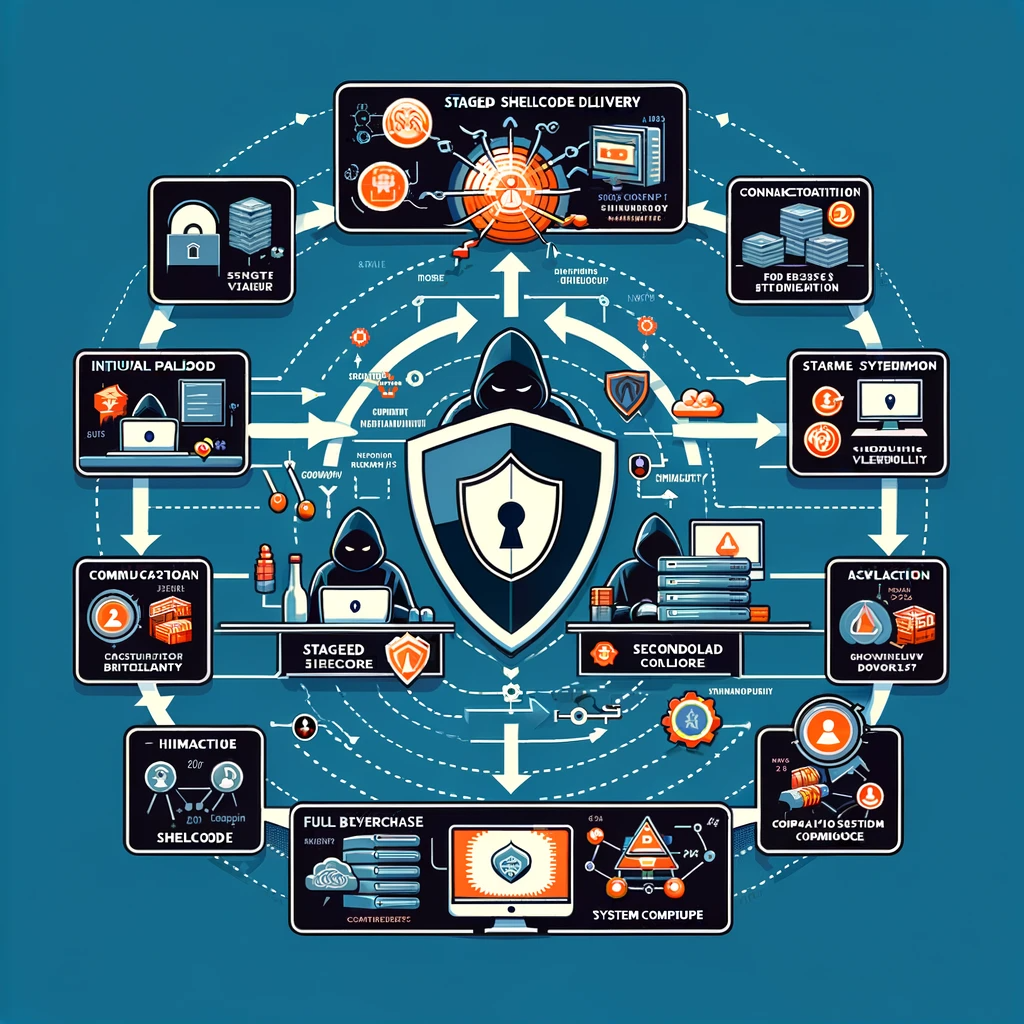
What Real-World Scenarios Does Pentesterlab Cover?
How Does Hands-On Practice Affect Learning In Cybersecurity?
Hands-on practice in cybersecurity acts as the bedrock for true understanding and skill development. Picture a mechanic who spends years tinkering with engines, not just reading manuals. That’s the difference between surface knowledge and real expertise. In the cybersecurity realm, the stakes are high. Breaches can devastate businesses, harm individuals, and jeopardize entire communities. This reality should tug at the heart, sparking a sense of urgency about the importance of practical training.
When learners dive into simulations or real-world scenarios, they aren’t just absorbing facts; they’re experiencing the thrill and terror of what it means to protect sensitive information. Each keystroke during a penetration test or response to a simulated attack isn’t just technical practice; it’s a pulse-check on the weight of responsibility that comes with guarding against cyber threats. It’s a visceral journey, requiring not just intellect, but also instinct and courage.
Rationally, cybersecurity isn’t just about tech-savvy individuals. It’s about developing critical thinkers who can adapt to ever-evolving threats. Real-world practice sharpens our analytical skills, allowing us to dissect problems and devise solutions on the fly. The ability to respond effectively under pressure is cultivated in the trenches of hands-on experience. This is where anxiety meets strategy and transforms into confident problem-solving.
Ethically, the cybersecurity field has a paramount duty—to protect, to serve, and to empower. Fostering an environment that prioritizes practical learning cultivates a workforce that prioritizes integrity and accountability. It nurtures a sense of camaraderie among professionals who share the weight of responsibility for the safety of society’s digital lives.
Humility plays a significant role here. Every cybersecurity expert knows the rapid pace at which technology and tactics shift. Through hands-on practice, there’s a recognition that mistakes are invaluable teachers. The fails and fumbles in a lab environment lead to breakthroughs that no textbook can offer.
Moreover, as this field continues to grow, so does the community around it. Learning from each other, sharing experiences, and collectively rising to challenge security threats fosters connections that extend beyond individual success. In a world increasingly dependent on technology, investing in hands-on practice invites every learner to be part of a larger mission—protecting not just information, but the trust of an entire society.
When the chips are down, it’s that hands-on experience that builds not only the skills but also the resilience needed in the face of real-world challenges.

How Does Hands-On Practice Affect Learning In Cybersecurity?
How Does Hands-On Practice Affect Learning In Cybersecurity?
- Hands-on practice in cybersecurity is essential for true understanding and skill development.
- Cybersecurity breaches can have devastating impacts on businesses, individuals, and communities.
- Engaging in simulations allows learners to experience the responsibilities of protecting sensitive information.
- Real-world practice enhances analytical skills and the ability to respond under pressure.
- The field prioritizes ethics, integrity, and accountability among professionals.
- Failures in practice environments provide critical learning opportunities that textbooks cannot offer.
- A growing community fosters collaboration and a collective mission to protect digital trust.

How Does Hands-On Practice Affect Learning In Cybersecurity?
What Ethical Considerations Are Crucial In Penetration Testing?
In the world of cybersecurity, penetration testing isn’t just a technical exercise; it’s a careful dance between trust and responsibility. Imagine you’re a locksmith called to assess a company’s security. You don’t just barge in; you respect their space and their trust while ensuring they’re safe from harm. The same principle applies to ethical penetration testing. It’s about protecting what’s valuable while respecting boundaries.
When pen testers step into a client’s systems, they hold immense power. With that power comes a heavy responsibility—to act ethically and within established boundaries. It’s not just about identifying vulnerabilities; it’s about safeguarding the organization’s reputation and sensitive data. Failure to adhere to ethical standards can cause unintended harm, and that damages relationships built on trust. Think of it as a mechanic doing a tune-up. The goal is to enhance performance, not to dismantle the engine without purpose.
Rationally, the importance of ethical practices in penetration testing cannot be overstated. Clients provide access with the expectation of mutual respect and safety. Adhering to ethical considerations helps in crafting clear contracts, outlining what’s permissible and ensuring transparency at all times. This creates a framework that protects all parties involved and fosters confidence in the testing process.
Ethically speaking, there’s also the matter of consent. Pen testers must have explicit permission, essentially a handshake agreement, before delving into the inner workings of a system. This not only honors the client’s autonomy but also upholds the values that underpin professional integrity.
Narratively, consider the stories of organizations that faced dire consequences because ethical lines were crossed. A pen tester who acted without oversight might lead to data leaks, financial losses, or worse—legal trouble. These stories resonate within the community, reminding us all that ethical lapses degrade the very fabric of cybersecurity.
Socially, the cybersecurity community thrives on shared knowledge and collective responsibility. When testers operate with ethics at the forefront, they contribute to a culture of accountability and improvement. They empower clients to secure their environments better, thereby strengthening the entire ecosystem.
By prioritizing ethical considerations, penetration testers honor what they represent: defenders of digital spaces. They’re not just conducting tests; they’re building lasting relationships based on trust and cooperation, essential elements in the ever-evolving landscape of cybersecurity. A commitment to ethical standards furthers the mission of safeguarding what’s vital, ensuring that everyone can confidently navigate the digital world.

What Ethical Considerations Are Crucial In Penetration Testing?
What Ethical Considerations Are Crucial In Penetration Testing?
- Penetration testing balances trust and responsibility, akin to a locksmith assessing security.
- Pen testers possess significant power and must act ethically within established boundaries.
- Ethical practices protect an organization’s reputation and sensitive data, preventing unintended harm.
- Clear contracts and transparency foster confidence among parties involved in penetration testing.
- Explicit permission is essential for conducting tests, honoring client autonomy and professional integrity.
- Ethical breaches can lead to serious consequences, including data leaks and legal issues.
- Prioritizing ethics builds trust and cooperation, enhancing cybersecurity for all parties involved.

What Ethical Considerations Are Crucial In Penetration Testing?
How Do Industry Experts View the Importance Of Practical Training?
In the world of Cybersecurity, there’s a hard truth that seasoned experts know all too well: theory without practice is like a hammer without a nail. When it comes to training, nothing beats rolling up your sleeves and getting into the muck of real-world challenges. Many industry veterans believe that practical training is as crucial as the foundation of a sturdy building. It’s not just about reading the playbook; it’s about running the plays on the field, where the stakes are high and the lessons stick.
Take a moment to think about it—how often have you seen a fresh face come in, all book-smart but lacking the grit to handle situations as they arise? Cybersecurity is complicated, and the threats morph constantly. A laptop can only teach you so much. Real cyber threats necessitate a mindset forged in the trenches. The folks who’ve spent hours in live simulations or real environments understand the pressure. They’re the ones who’ve seen the forest for the trees and know that a quick answer isn’t always the right answer.
From an ethical perspective, practical training fosters a sense of responsibility. When you’re trained to recognize the weight of your decisions, it drives home the impact those choices can have on people and organizations. Mistakes aren’t just a badge of honor; they can lead to compromises in safety, data loss, or worse. This understanding creates a culture where the new recruits not only learn how to protect networks but develop the moral fortitude to do what’s right, even under pressure.
Authority figures in the field echo a common sentiment: hands-on experience builds credibility. When someone walks into an interview with tales of troubleshooting a live attack or patching systems under fire, it speaks volumes. It tells potential employers they’re not just looking at credentials but a proven track record.
We’re all in this together. This industry thrives on collaboration and community, and a shared experience in practical training strengthens bonds among peers. Each story, each hard-won lesson, resonates on a human level, reminding us that we’re not just protecting data; we’re safeguarding the trust and well-being of communities. So, as the landscape of Cybersecurity continues to evolve, let’s remember that there’s no substitute for hands-on experience. It’s not just training—it’s the heart of our trade.

How Do Industry Experts View the Importance Of Practical Training?
How Do Industry Experts View the Importance Of Practical Training?
- Theory without practice is ineffective in Cybersecurity training.
- Practical training is essential for developing skills necessary to handle real-world challenges.
- Newcomers often lack the experience to face evolving cyber threats despite theoretical knowledge.
- Hands-on training fosters a sense of responsibility regarding the impact of decisions.
- Experience in real situations enhances credibility and attractiveness to potential employers.
- Collaboration and shared experiences in training strengthen community bonds in the industry.
- As Cybersecurity evolves, hands-on experience remains fundamental to the profession.

How Do Industry Experts View the Importance Of Practical Training?
What Skills Should Every Aspiring Pentester Develop?
In the gritty world of cybersecurity, a pentester is like a detective in a digital crime scene, where every skill you hone is a tool in your belt. To truly thrive, you need a mix of technical know-how, problem-solving ability, and a mindset that doesn’t shy away from challenges. Start with foundational skills in networking and systems administration. Understanding how networks operate and where their weak points lie is vital. When you grasp how data flows, you can predict where it might get snagged or choked.
Next up is programming. Whether you dive into Python, JavaScript, or C, being able to script or code will give you a distinct edge. It doesn’t have to be about being a coding whiz; it’s about knowing enough to bend the technology to your will. Think of it as learning a second language; the more fluent you are, the more doors open for you.
Then there’s the art of critical thinking and problem-solving. In pentesting, you’re often faced with complex puzzles that require not just intellect but intuition. You need to think like a hacker—anticipate moves and think several steps ahead. This requires getting inside the hacker’s head, understanding their mindset, and foreseeing what they might target next.
But let’s not forget the human element. Communication skills are essential. Whether you’re drafting a report for the tech team or explaining vulnerabilities to management, you need to convey your findings clearly and effectively. After all, the best technical skills in the world are wasted if you can’t communicate the risks and solutions to others.
Ethics play a huge role in this field too. It’s not just about finding flaws—it’s about doing so responsibly. Trust is earned through integrity. In cybersecurity, a good pentester upholds ethical standards and acts with respect for both data and the people behind it. This means understanding the weight of the work you’re doing and how it can impact organizations and individuals alike.
Lastly, forge connections within the cybersecurity community. Networking not only opens up opportunities but also offers a support system where you can share experiences and learn from one another. Every conversation can lead to a new insight or a fresh perspective, making you a stronger pentester.
Dive in, start building these skills, and remember, every expert was once a beginner. Your journey in cybersecurity can make a difference, not just for you but for the safety of countless others.

What Skills Should Every Aspiring Pentester Develop?
What Skills Should Every Aspiring Pentester Develop?
- A pentester is akin to a detective in cybersecurity, requiring a blend of technical skills, problem-solving, and resilience.
- Foundational knowledge in networking and systems administration is essential for understanding weak points in networks.
- Programming skills in languages like Python, JavaScript, or C provide a significant advantage in pentesting.
- Critical thinking and problem-solving are crucial for navigating complex challenges and anticipating hacker moves.
- Effective communication skills are vital for conveying findings and solutions to both technical teams and management.
- Upholding ethics and integrity is integral to building trust and respecting data and individuals in cybersecurity.
- Networking within the cybersecurity community fosters opportunities, support, and shared learning experiences.

What Skills Should Every Aspiring Pentester Develop?
Conclusion
PentesterLab Bootcamp stands as a beacon for anyone eager to step into the thrilling and daunting world of cybersecurity. It offers not just knowledge but real-life experience, guiding learners through the complexities of ethical hacking and vulnerability assessment. As you immerse yourself in hands-on labs that reflect genuine cyber threats, you’ll find yourself embracing the role of a protector. Each module isn’t merely an academic exercise; it’s a chance to confront challenges head-on, a stepping stone from the classroom into the often chaotic field of cybersecurity.
The emotional impact of this journey is profound. With every simulated attack you tackle, you feel the weight of responsibility grow heavier on your shoulders but also ignite a sense of pride. You’re not just learning skills for your own advancement; you’re acquiring tools to safeguard others—families, businesses, and communities. This ethical responsibility frames your role, reminding you that each keystroke could mean the difference between security and chaos.
This bootcamp fosters a sense of community among learners. You’re not alone in this venture; fellow students experience the same frustrations and victories, sharing insights and encouragement. In an industry often defined by isolation, this camaraderie transforms the personal struggle of learning into a collective narrative. The bonds you form can be invaluable, providing guidance and support that ease the difficult learning curve.
Rationally, the credibility of PentesterLab underscores its worth. With a curriculum refined by seasoned experts, what you gain is not just theoretical knowledge but the confidence to navigate real-world complexities. Training here prepares you for the evolving digital landscape, armoring you against the barrage of cyber threats that await.
As you work through something as deceptively simple as misconfigured servers or delve into the intricacies of SQL injection, you begin to understand the depth of what’s at stake. Learning the intricacies of these vulnerabilities makes the dangers more tangible—they aren’t just textbook definitions; they reflect urgent challenges in need of resolute action.
The call to action is clear: by joining PentesterLab Bootcamp, you’re positioning yourself to tackle today’s cybersecurity challenges with skill, determination, and integrity. You’re never merely a passive observer in this mission; you’re stepping forward to take charge in a field where knowledge equates to power and trust matters immensely. As you become a skilled pentester, remember you’re not just learning a trade; you’re becoming a vital force in the ongoing effort to secure the digital world for everyone. Embrace it, and let your journey be one of not just personal growth but of communal strength and protection in the vast digital landscape.

Conclusion
Conclusion:
- PentesterLab Bootcamp provides an immersive introduction to cybersecurity, focusing on ethical hacking and vulnerability assessment.
- Hands-on labs simulate real cyber threats, allowing learners to develop practical skills and embrace their roles as protectors.
- The emotional journey enhances learners’ sense of responsibility and pride in safeguarding families, businesses, and communities.
- A strong sense of community is fostered among students, promoting shared experiences and mutual support during the learning process.
- The curriculum, developed by experts, ensures learners gain credible knowledge and confidence to face real-world challenges.
- PentesterLab Bootcamp addresses urgent cybersecurity issues, making vulnerabilities like misconfigured servers and SQL injection tangible.
- Joining the bootcamp empowers individuals to actively engage in the fight against cyber threats, highlighting the importance of knowledge and integrity in the field.

Conclusion
Other Resources

Other Resources
Here is a list of other resources you can review online to learn more:
- Loop Secure
- Cloud24x7
- Securely Managed
- Red Canary
- WordPress
- IPKeys
- Sentor MSS AB
- Wipro
- Mazars USA
- BDQ
- GoSecure
- CyberDefenses
- SecValMSP
- Rapid7
- Enact Security
- Fiberwolf
- Tech Lock
- Smartronix
Use This Prompt To Get More Resources With Your Favorite Online AI Tool: Please provide me with a list of online articles with their URLs in a bulleted list that I can read regarding What Is Pentesterlab Bootcamp In Cybersecurity?

Other Resources
Glossary Terms
What Is Pentesterlab Bootcamp In Cybersecurity? – Glossary Of Terms
1. Bootcamp: An intensive training program focused on hands-on learning and rapid skill acquisition.
2. PentesterLab: An online platform offering practical cybersecurity training through vulnerable web applications.
3. Pentesting: The practice of testing a computer system, network, or web application for vulnerabilities.
4. Vulnerability: A weakness in a system that can be exploited to gain unauthorized access or cause harm.
5. Exploit: A piece of code or software that takes advantage of a vulnerability to compromise a system.
6. Attack Vector: The pathway or method through which an attacker gains access to a target system.
7. Ethical Hacking: Authorized testing of systems to find and fix vulnerabilities before they can be exploited by malicious actors.
8. OWASP: The Open Web Application Security Project, a nonprofit dedicated to improving the security of software.
9. CTF: Capture The Flag, a competitive cybersecurity exercise where participants solve challenges to find hidden flags.
10. Web Application: Programs that run on web servers and can be accessed through a web browser.
11. SQL Injection: A code injection technique that exploits a vulnerability in a web application’s software by manipulating SQL queries.
12. Cross-Site Scripting (XSS): A security vulnerability that allows attackers to inject malicious scripts into webpages viewed by users.
13. Network Security: Measures taken to protect the integrity and usability of network and data.
14. Firewall: A network security device that monitors and controls incoming and outgoing network traffic based on predetermined security rules.
15. Malware: Malicious software designed to harm, exploit, or otherwise compromise a computer system.
16. Phishing: A method of trying to gather personal information using deceptive emails and websites.
17. Breach: An incident in which unauthorized access is gained to a system or its data.
18. Risk Assessment: The process of identifying, analyzing, and evaluating risks to an organization’s information assets.
19. Authentication: The process of verifying the identity of a user or system attempting to access resources.
20. Authorization: The process of determining whether a user has permission to access resources or perform actions.
21. Encryption: The process of converting information or data into a code to prevent unauthorized access.
22. Incident Response: The approach to addressing and managing the aftermath of a security breach or cyberattack.
23. Security Policy: A formal document that outlines how an organization manages and protects its information assets.
24. Vulnerability Assessment: A systematic review of security weaknesses in an information system.
25. Penetration Test: A simulated cyber attack against a system to evaluate its security.
26. Bug Bounty: A program that offers rewards to individuals who find and report software bugs and vulnerabilities.
27. Red Team: A group that simulates attacks to test the effectiveness of an organization’s security measures.
28. Blue Team: A group that defends against cyberattacks and improves an organization’s security posture.
29. Zero-Day Exploit: An attack that occurs on the same day a vulnerability is discovered but before it has been patched.
30. Security Awareness Training: Education programs designed to help employees recognize and prevent cyber threats.

Glossary Of Terms
Other Questions
What Is Pentesterlab Bootcamp In Cybersecurity? – Other Questions
If you wish to explore and discover more, consider looking for answers to these questions:
- What are the prerequisites to enroll in PentesterLab Bootcamp?
- How long does the bootcamp take to complete?
- What is the cost and what payment options are available?
- Is there a free trial, demo, or sample labs to try before enrolling?
- What specific topics and modules are included in the syllabus?
- What skill level is the bootcamp aimed at (beginner, intermediate, advanced)?
- Is the bootcamp self-paced or instructor-led (live sessions)?
- Are mentors or one-on-one coaching sessions provided?
- How are the hands-on labs delivered (VMs, cloud instances, Docker, containers)?
- What hardware or software do I need to participate in the labs?
- Which programming languages and tools will I learn or use?
- How is learner progress measured and are there formal assessments?
- Do participants receive a certificate on completion and is it employer-recognized?
- Does the bootcamp prepare students for industry certifications (e.g., OSCP, CEH)?
- Is there career support, resume help, interview prep, or job placement assistance?
- What real-world scenarios and specific vulnerabilities are covered?
- Can lab work be used in a professional portfolio or for employer demonstrations?
- How many hours per week should a student expect to commit?
- Are collaborative or group projects part of the curriculum?
- How frequently is course content updated to reflect current threats and tools?
- How does PentesterLab Bootcamp compare to other platforms like TryHackMe or Hack The Box?
- What ethical and legal boundaries are taught for penetration testing engagements?
- What kind of community, forums, or peer support is available to learners?
- Are there corporate or team training packages for organizations?
- What is the refund, cancellation, or satisfaction guarantee policy?
- Will I gain hands-on experience across web, network, mobile, and cloud security?
- Are entry interviews or prerequisite assessments required to join?
- How detailed are lab write-ups, hints, and solutions provided?
- Are there simulated incident response or red-team/blue-team exercises?
- What typical job roles and salary improvements do alumni report after completion?
- Are accommodations available for learners with disabilities?
- How is learner data, submissions, and privacy protected?
- Can experienced security professionals use the bootcamp for specialization or upskilling?
- What post-bootcamp resources or continuing-education pathways are offered?
- How can employers verify a candidate’s completion and competency from the bootcamp?

Other Questions
Haiku
What Is Pentesterlab Bootcamp In Cybersecurity? – A Haiku
Guardians of the net,
Hands-on skills forge brave defenders,
Trust blooms in shared fight.

Haiku
Poem
What Is Pentesterlab Bootcamp In Cybersecurity? – A Poem
In the heart of cyberspace, a call resounds,
PentesterLab Bootcamp, where a legacy is found.
Roll up your sleeves, enter the fray,
Learning to protect in a digital ballet.
Real-world scenarios, hands-on and raw,
Each module a mission, as we learn the law.
A community thrives, with minds set to spark,
Together we rise, illuminating the dark.
Though paths may be daunting, with jargon and dread,
Every struggle is knowledge, every setback a thread.
The ethical weight of safeguarding lives,
Transforms learners to heroes, where resilience thrives.
With experts to guide us, their wisdom our light,
We face cyber threats, ready to fight.
In a world ever-changing, threats grow and evolve,
With skills honed through practice, we steadily solve.
Beneath every breach, a story unfolds,
Of trust and responsibility, the future it molds.
As we learn and connect, a mission takes flight,
To guard what is precious, a promise to right.
So step into this journey, embrace what you find,
In the realm of cybersecurity, together we bind.
With passion and purpose, we tackle each quest,
For the safety of all, on this path, we invest.

Poem
Checklist
What Is Pentesterlab Bootcamp In Cybersecurity? – A Checklist
Pre-Bootcamp Setup
✅______ DeFine one or two clear career goals for pentesting
✅______ Create a weekly study schedule with protected time blocks
✅______ Set up a Linux lab environment (VM or dedicated machine)
✅______ Install core tooling (intercepting proxy, scanners, recon tools, Git, scripting runtime)
✅______ Configure your proxy and certificates to inspect HTTP/HTTPS traffic
✅______ Establish a secure note system for labs, findings, and lessons learned
✅______ Create a private repository or folder structure for scripts and lab artifacts
✅______ Enroll in PentesterLab and select the appropriate track or badges
✅______ Join the PentesterLab community or forum for support and accountability
✅______ Prepare an authorization and scope template for any real engagements
Learning Workflow
✅______ For each lab, read objectives and success criteria before starting
✅______ Attempt unaided first; timebox before viewing hints or solutions
✅______ Capture steps, observations, and decision points as you work
✅______ Identify root cause of each vulnerability, not just the symptom
✅______ Document practical remediation for each issue
✅______ Reproduce the result twice to confirm understanding and repeatability
✅______ Create a concise summary write-up and tag it by topic
✅______ Track open questions and convert them to focused study tasks
Core Technical Foundations
✅______ Master OSI/TCP/IP basics, ports, and common services
✅______ Practice Linux command line, file permissions, and process management
✅______ Understand Windows fundamentals and authentication concepts
✅______ Learn HTTP, headers, cookies, sessions, and caching behavior
✅______ Use browser developer tools to inspect requests, storage, and the Document Object Model (DOM)
✅______ Build scripting fluency (e.g., Python or Bash) for automation
✅______ Use Git for version control and clean change history
✅______ Understand SQL basics and safe query patterns
✅______ Practice JSON, XML, and common API patterns
✅______ Learn container basics to run isolated lab services
Web Application Attack Surface
✅______ Validate inputs and outputs; identify trust boundaries
✅______ Test authentication and session management controls
✅______ Assess authorization and access control (including insecure direct object references (IDOR))
✅______ Explore injection classes (e.g., SQL injection (SQLi)) and logic flaws
✅______ Check cross-site scripting variants (reflected, stored, DOM-based)
✅______ Evaluate cross-site request forgery (CSRF) protections and state-changing requests
✅______ Review file upload, path handling, and traversal risks
✅______ Examine server-side request behaviors (e.g., server-side request forgery (SSRF) scenarios)
✅______ Assess deserialization risks and unsafe object handling
✅______ Review misconfigurations, default settings, and verbose errors
Recon and Enumeration
✅______ Profile the application map and content (pages, parameters, flows)
✅______ Fingerprint technologies, frameworks, and versions
✅______ Discover subdomains and hidden directories or endpoints
✅______ Identify sensitive files, backups, and metadata leaks
✅______ Enumerate inputs and parameters systematically
✅______ Record findings in a structured inventory with evidence
Exploitation and Post-Exploitation (Lab Environments)
✅______ Chain multiple low-risk issues into meaningful impact
✅______ Validate impact with the least intrusive proof of concept (PoC)
✅______ Practice basic credential hygiene and secrets management
✅______ Explore environment and configuration discovery safely
✅______ Study privilege boundaries and escalation principles
✅______ Plan and execute thorough cleanup after each lab
Reporting and Communication
✅______ Write an executive summary focused on business impact
✅______ Include clear risk ratings and rationale
✅______ Provide concise, reproducible steps to verify findings
✅______ Add evidence that is necessary and sanitized
✅______ Recommend prioritized, actionable remediation
✅______ Map fixes to owners and feasible timelines
✅______ Tailor language to technical and non-technical audiences
✅______ Peer review your report for clarity and completeness
Professionalism and Ethics
✅______ Obtain explicit written authorization before testing
✅______ Confirm scope, constraints, and out-of-bounds assets
✅______ Align on testing windows and escalation contacts
✅______ Minimize data access and avoid sensitive content when possible
✅______ Avoid service disruption and maintain availability
✅______ Protect credentials and secrets; use temporary accounts
✅______ Keep tamper-evident logs and preserve relevant evidence
✅______ Report critical issues immediately through agreed channels
✅______ Perform full cleanup and restore original configurations
✅______ Comply with nondisclosure and data retention policies
Practice and Growth Habits
✅______ Alternate between new labs and deliberate practice on weak areas
✅______ Convert mistakes into checklists and playbooks
✅______ Track weekly metrics (labs completed, topics mastered, hours spent)
✅______ Schedule periodic review sessions to reinforce retention
✅______ Participate in community discussions or study groups
✅______ Attempt capture-the-flag (CTF) or timed exercises to build pressure tolerance
Portfolio and Career Readiness
✅______ Maintain private notes; publish sanitized case studies where appropriate
✅______ Collect PentesterLab badges and map them to competencies
✅______ Build a skills matrix aligned to common job descriptions
✅______ Update resume and profiles with evidence-backed achievements
✅______ Prepare a report sample and a short readout presentation
✅______ Conduct mock interviews with peers or mentors
✅______ Network with practitioners and seek constructive feedback
✅______ Outline a 90-day learning roadmap for continued advancement

Checklist
At BestCyberSecurityNews, we help teach entrepreneurs and solopreneurs the basics of cybersecurity and its impact on their businesses by using simple concepts to explain difficult challenges.
Please read and share any of the articles you find here on BestCyberSecurityNews with your friends, family, and business associates.


