Unveiling The Hidden Impact Of Shadow Ai In The Cloud
By Tom Seest
At BestCyberSecurityNews, we help teach entrepreneurs and solopreneurs the basics of cybersecurity and its impact on their businesses by using simple concepts to explain difficult challenges.
Please read and share any of the articles you find here on BestCyberSecurityNews with your friends, family, and business associates.
The Rise Of Shadow AI In Cloud Systems – What It Means for You
In the digital landscape, where cloud systems reign supreme, a quiet revolution is brewing—one that’s stealthier and more insidious than we might realize. Shadow AI, the uninvited guest at the tech table, is reshaping our approach to data management. Think about it for a moment. Every time an employee downloads an application without the IT team’s blessing or bypasses established protocols to make their work easier, they’re dancing with Shadow AI. It’s a seductive dance, fueled by promises of efficiency and agility, but lurking beneath the surface are risks that could make any leader’s stomach churn.
Emotionally, it’s easy to feel a rush of adrenaline when empowered by technology. Who wouldn’t? The thrill of unlocking new capabilities at your fingertips can be intoxicating. But in this rush, we often overlook the vulnerabilities we’re introducing into our organizations. Each rogue tool can open new doors to cyberattacks, exposing sensitive information to those with less than honorable intentions. It’s like leaving the back door of your house wide open because it’s easier than finding the key.
Rationally, it’s impossible to ignore what’s at stake. When we weigh the benefits against the potential fallout—data breaches, reputational damage, financial loss—the scales tip precariously. Shadow AI can erode trust between departments and the very allies we rely on, turning collaboration into suspicion. Are we willing to gamble not just our resources but also our reputations on unverified applications? This isn’t just an IT issue; it’s a hallmark of ethical leadership.
Socially, we’re all in this together. The rise of Shadow AI transcends the silos we’ve built within our organizations; it’s a collective responsibility. Encourage open conversations about technology adoption. Foster a culture where employees feel empowered to ask questions rather than making hasty decisions that could harm everyone involved. Think of it like a community potluck—every dish needs to be vetted for safety.
Ultimately, the rise of Shadow AI isn’t merely a tale of risk; it’s an opportunity for dialogue, growth, and higher standards in cybersecurity practices. Let’s not turn a blind eye to the shadows lurking in our cloud systems. Instead, let’s shine a light on them, turning fear into action and uncertainty into informed decision-making. Together, we can navigate this brave new world with confidence and courage.

The Rise Of Shadow AI In Cloud Systems – What It Means for You
The Rise Of Shadow AI In Cloud Systems – What It Means for You
- Shadow AI is a growing concern in the digital landscape, impacting data management.
- Employees often bypass IT protocols, potentially introducing vulnerabilities into organizations.
- Using unverified applications can expose sensitive information and increase cyberattack risks.
- Benefits of Shadow AI must be weighed against potential consequences like data breaches and reputational damage.
- Collaboration and trust may erode between departments due to reliance on unverified tools.
- Encouraging open discussions and a culture of questioning technology adoption is vital.
- The rise of Shadow AI presents an opportunity for dialogue and enhanced cybersecurity practices.

The Rise Of Shadow AI In Cloud Systems – What It Means for You
Table Of Contents
- The Rise Of Shadow AI In Cloud Systems – What It Means for You
- What Risks Do You Face with Unregulated AI Tools In Your Cloud?
- How Do You Ensure Compliance with Emerging Shadow AI Technologies?
- Can You Trust Unverified AI Solutions Being Adopted By Your Team?
- How Do You Balance Innovation and Security In AI Adoption?
- What Narratives Are Shaping Your Understanding Of AI In Your Industry?
- What Social Responsibilities Do We Hold with AI In Cloud Systems?
- How Do Experts View the Impact Of Shadow AI on Data Privacy?
- Conclusion
- Other Resources
- Glossary Of Terms
- Other Questions
- Haiku
- Poem
- Checklist
What Risks Do You Face with Unregulated AI Tools In Your Cloud?
When it comes to unregulated artificial intelligence tools nestled in the cloud, the risks aren’t just theoretical—they’re real and can strike at the very heart of what makes our digital lives tick. Imagine trusting a tool to help manage your business, to automate tasks, or even to guard your precious data, only to discover that it’s vulnerable to a cyberattack. Suddenly, the promises of efficiency and innovation begin to crumble like a house of cards. The gut punch? Realizing that your sensitive information has slipped through the cracks, accessed by those with less than exemplary intentions.
Picture a local bakery, once thriving and filled with smiles, suddenly taken down by a data breach caused by using an AI tool that didn’t have proper safeguards in place. The owners, devastated not just by the financial loss but by the betrayal of technology they thought they could trust. That’s not merely a business story; it’s an emotional one, where livelihoods and dreams are at stake. When trust in technology is shaken, the implications ripple across communities, leading to hesitance and fear in a world that should be vibrant and interconnected.
Now, let’s turn to reason. The landscape of cybersecurity is evolving faster than ever, and unregulated AI tools often lack transparency. What does that mean for you? It means you could be inviting a wolf in sheep’s clothing into your network. With proper regulation, AI could enhance our lives, streamline processes, and amplify creativity. Without it, you’re left with a wild card that could wrench control away, manipulative algorithms lurking in the shadows, waiting to exploit your data.
As we look to the future, we must tread carefully. Ethics come into play here too; what happens when your algorithms make biased decisions or misinterpret data? You stand at a crossroads: invest your trust in unregulated tools that can’t be held accountable, or choose the path of due diligence and oversight, ensuring that the tools we integrate into our lives resonate with our values.
That connection we all seek, whether it’s through our businesses, communities, or the very fabric of our digital existence, rests upon embracing responsible AI practices. It’s not just about technology; it’s about protecting our humanity in a world driven by bits and bytes. Choose wisely, because trust—once lost—is a long road to reclaim.

What Risks Do You Face with Unregulated AI Tools In Your Cloud?
What Risks Do You Face with Unregulated AI Tools In Your Cloud?
- Unregulated AI tools present real risks that can harm our digital lives.
- Trusting a vulnerable AI tool for business management can lead to cyberattacks and data breaches.
- A local bakery’s downfall illustrates the emotional and financial toll of data breaches from unregulated AI.
- Loss of trust in technology can create fear and hesitation in communities that rely on connectivity.
- The evolving cybersecurity landscape highlights the lack of transparency in unregulated AI tools.
- Without proper regulation, AI tools can manipulate data and lead to biased decisions.
- Embracing responsible AI practices is essential to protect both technology and human values.

What Risks Do You Face with Unregulated AI Tools In Your Cloud?
How Do You Ensure Compliance with Emerging Shadow AI Technologies?
In a world where technology races ahead like a freight train, the rise of shadow AI poses a critical challenge. These emerging systems are fascinating yet formidable, lurking just outside the purview of traditional governance. How do we navigate this uncharted terrain without compromising our core values? The approach begins with fostering an environment that blends curiosity with caution.
Start by engaging your workforce in the exploration of these tools. Education is the bedrock of compliance. When employees understand both the capabilities and limitations of shadow AI, they can approach these technologies with a balanced mindset. Just like any innovation, shadow AI can be a double-edged sword—offering unprecedented efficiency while opening avenues for risk and uncertainty.
Let’s talk about the human element. A connection to ethical considerations can often make a difference. Have open dialogues about what responsible AI usage looks like. Encourage teams to share stories—real-life scenarios where shadow AI either benefited or threatened projects. This communal narrative fosters a sense of shared responsibility and prompts individuals to act with integrity, grounding their decisions in both sound ethics and shared values.
As you delve deeper into the capabilities of shadow AI, don’t lose sight of cybersecurity. This must be the anchor of your compliance strategy. Implement robust frameworks that are ever-evolving, much like the threats they aim to combat. Humans are not just participants in this journey; they are the first line of defense. Equip them with the right tools, knowledge, and resources to recognize potential threats. When employees feel empowered to act—whether it’s reporting suspicious activity or adhering to protocols—they become your organization’s defense, ensuring compliance while maintaining trust.
Moreover, encourage a culture where learning from missteps is celebrated, not punished. By gaining insights from challenges, teams can adapt and evolve, transforming their approach to shadow AI into a proactive engagement rather than a defensive stance. This mindset empowers each member to embrace change rather than fear it, motivating action that aligns with organizational goals.
Remember, compliance isn’t a destination; it’s a journey. As we navigate these turbulent waters, let’s create an atmosphere where trust thrives, confidence shines, and collective responsibility guides us, ensuring that both our people and technologies work in harmony for a brighter future. Together, we can turn the complexities of shadow AI into opportunities that protect and propel us forward.

How Do You Ensure Compliance with Emerging Shadow AI Technologies?
How Do You Ensure Compliance with Emerging Shadow AI Technologies?
- The rise of shadow AI presents significant challenges in the fast-paced world of technology.
- Fostering an environment of curiosity and caution is essential for navigating these tools.
- Education on the capabilities and limitations of shadow AI is crucial for employee compliance.
- Discussing ethical considerations and sharing real-life scenarios promotes responsible AI usage.
- Cybersecurity must be a foundational element of any compliance strategy regarding shadow AI.
- Encouraging a culture that values learning from mistakes helps teams proactively engage with shadow AI.
- Compliance is a continuous journey that requires trust, confidence, and collective responsibility to ensure harmony between people and technology.

How Do You Ensure Compliance with Emerging Shadow AI Technologies?
Can You Trust Unverified AI Solutions Being Adopted By Your Team?
Imagine you’re walking into a bustling office, the hum of productivity swirling around you. Team members are eagerly testing out new AI tools, excited about the promises of efficiency and insight. But wait—how many of these tools have been properly vetted? Can your team really trust these unverified AI solutions?
Let’s take a moment to consider the emotional weight of that question. Your workmates are not just colleagues; they’re your companions in the trenches. When they integrate untested technology into their workflows, there’s a tangible risk—not only to their productivity but also to their well-being. You’ve got a sense of camaraderie that feels the same whether you’re lifting heavy boxes or wrestling with complex algorithms. You want what’s best for each other, and that deep-seated instinct urges you to pause and reflect: Is this AI a trustworthy ally or a ticking time bomb?
Now, let’s engage the head, the rational side that recognizes the stakes. We live in an era where cybersecurity is more than a buzzword; it’s a battlefield. Every unchecked AI solution could open doors to vulnerabilities, making your company a target for cyberattacks. It’s not merely a matter of privacy; it’s your organization’s livelihood on the line. It’s one thing to adopt new technologies; it’s another to gamble your team’s hard work on something that might not stand up to scrutiny.
Every innovation comes with an ethical duty to be responsible and transparent. Think about the credibility of the sources providing these tools. Are the creators known for their reliability, or are they just riding the wave of AI hype? Social responsibility pushes us to ensure that every decision we make as a team is grounded in integrity.
And let’s not forget the narratives we share. Have you ever heard stories of companies suffering severe fallout from unverified tools? Those anecdotes resonate deeply. They’re cautionary tales that remind us how crucial it is to ask the right questions and take the time to dig deeper.
So, when your team discusses adopting new AI solutions, nurture that sense of accountability. Encourage exploration, yes, but demand verification too. Build that foundation of trust that can withstand the trials of modern technology. Your team’s creativity and dedication deserve nothing less, and together, you can navigate this evolving landscape with confidence and purpose.

Can You Trust Unverified AI Solutions Being Adopted By Your Team?
Can You Trust Unverified AI Solutions Being Adopted By Your Team?
- Workers are exploring unverified AI tools in a bustling office setting.
- The emotional impact of integrating untested technology affects team camaraderie and well-being.
- Concerns about cybersecurity highlight the risks of adopting unchecked AI solutions.
- Innovation requires ethical responsibility and transparency regarding tool sources.
- Real-life examples of companies facing negative consequences from unverified tools serve as cautionary tales.
- Teams should foster a culture of accountability and encourage verification of AI solutions.
- Building trust within the team is essential for successfully navigating modern technological challenges.

Can You Trust Unverified AI Solutions Being Adopted By Your Team?
How Do You Balance Innovation and Security In AI Adoption?
In the grand dance of technological advancement, the act of balancing innovation and cybersecurity feels like walking a tightrope. On one side, we have the promise of artificial intelligence—an engine of progress that can elevate lives, boost productivity, and solve problems we haven’t even imagined yet. On the other, lurking in the shadows, are the cyber threats that can undermine all we hold dear. It’s a delicate balance that requires not just intellect, but heartfelt conviction.
Imagine for a moment a community—a small town, perhaps—where a farmer grows the best tomatoes you’ve ever tasted. She relies on innovative techniques to enhance her yield, tapping into the latest research on sustainable farming. But a sudden blight or a crop thief threatens her harvest. This isn’t just a business dilemma; it’s the livelihood of her family and the local market. In the same way, companies adopting AI need to safeguard their innovations. If they don’t, it’s not just data at risk; it’s trust eroded, reputations tarnished, and lives disrupted.
The rational mind tells us to appreciate the benefits of AI. Data-driven insights can streamline processes and prevent human error, but it’s crucial to ask: at what cost? Ethical considerations must be prioritized. We’re not just talking about dollars and cents; we’re discussing people’s lives. Every time we leverage AI, we dance with accountability. We need to ensure that the technology is deployed responsibly, guiding our innovations with a steady hand and a true heart.
Think of the authority we grant to those who lead us in this digital age. They carry the weight of responsibility, ensuring that we navigate the waters of progress with both caution and enthusiasm. The narrative is as much about the human experience as it is about algorithms and code. It’s about fostering an environment where innovation thrives, safeguarded by robust cybersecurity measures.
In today’s interconnected world, we are not just individuals; we are part of a larger social tapestry. When businesses prioritize both innovation and security, they don’t just protect their assets; they build trust with customers and communities alike. They say, “We hear you; we care about your safety.” And that, my friends, is how we can move forward: with courage in our hearts, clarity in our minds, and a commitment to protecting the very essence of what makes us human.

How Do You Balance Innovation and Security In AI Adoption?
How Do You Balance Innovation and Security In AI Adoption?
- The balance between technological innovation and cybersecurity is crucial yet challenging.
- Artificial intelligence has the potential to significantly enhance lives and productivity but brings risks of cyber threats.
- Real-world examples, like a farmer’s reliance on innovation, highlight the importance of safeguarding against threats to livelihoods.
- AI adoption requires companies to protect their innovations to maintain trust and reputations.
- Ethical considerations must be prioritized when leveraging AI, as it affects people’s lives beyond financial impacts.
- Leaders in the digital age must guide progress responsibly, emphasizing the importance of human experience alongside technology.
- Prioritizing innovation and security helps businesses build trust and demonstrate care for their customers and communities.

How Do You Balance Innovation and Security In AI Adoption?
What Narratives Are Shaping Your Understanding Of AI In Your Industry?
In our rapidly evolving world, narratives about artificial intelligence are being spun faster than a high-speed train, each one vying for our attention and understanding. When it comes to your industry, the stories that resonate can shape how you perceive and leverage AI’s potential. But which narratives are you listening to?
Take a moment to reflect on the tales of those who’ve integrated AI into their work. Think of the technician using smart algorithms to predict equipment failures before they happen, safeguarding not only livelihoods but also the relationships built over decades with their teams. Here’s where the emotional appeal lies: every success story isn’t just about technology; it’s about people. It’s about communities being protected and opportunities being created.
Now, consider the rational side of the coin. AI plays a critical role in cybersecurity—defending us from threats that lurk in shadows unknown to most. As these systems learn and adapt, they offer a new layer of protection that we once relied solely on human intuition to provide. Yet, the question lingers—are we outsourcing our trust to machines? This is where critical thinking is essential; understanding how AI enhances our capabilities helps eliminate skepticism.
Ethically, narratives around AI also raise valid concerns. As we embrace its benefits, we must also confront the responsibilities that come with it. Are we creating fair systems that protect our privacy, or are we unwittingly paving the way for exploitation? By engaging in this discussion transparently, we build trust—not just with technology but with each other as we navigate this new landscape.
Socially, the perception of AI in a workplace isn’t merely dictated by a handful of tech geniuses; it’s influenced by all of us. Share your experiences, successes, and even fears about AI with colleagues. This fosters a sense of community and collaboration that can dispel myths and draw us closer together as we tackle the evolving challenges head-on.
Ultimately, what narratives are you choosing to embrace about AI in your industry? Are they uplifting tales that inspire innovation, or cautionary tales that instill fear? The stories we tell will shape the future we build together—so let’s make sure they’re worth telling. Empower yourself, engage your colleagues, and be a part of a movement that sees AI not as a threat, but as a tool for transformation.

What Narratives Are Shaping Your Understanding Of AI In Your Industry?
What Narratives Are Shaping Your Understanding Of AI In Your Industry?
- Narratives about artificial intelligence are rapidly evolving and have significant influence on our understanding and use of AI.
- Success stories of AI integration showcase its impact on jobs and community relationships, emphasizing the human element behind technology.
- AI’s role in cybersecurity is crucial, providing protection that was once reliant solely on human intuition.
- Critical thinking is essential to understanding how AI enhances capabilities and to mitigate skepticism around technology.
- Ethical considerations around AI demand transparency and responsibility to ensure fair systems that protect privacy.
- The social perception of AI in the workplace is shaped by collective experiences and encourages community and collaboration.
- The narratives we choose about AI can inspire innovation or instill fear—it’s important to foster positive and transformative stories.

What Narratives Are Shaping Your Understanding Of AI In Your Industry?
What Social Responsibilities Do We Hold with AI In Cloud Systems?
When we talk about artificial intelligence in cloud systems, we’re stepping into a powerful arena where our decisions shape not just technology, but the very fabric of our society. Imagine a future where the digital frontier isn’t just an environment for innovation, but a cornerstone of ethical responsibility. It’s here, in this vast expanse, that we must wrestle with the pressing question: What social responsibilities do we hold?
First, let’s go beyond the data and algorithms. We need to acknowledge the human heartbeat behind every line of code, as it’s people who craft these systems. This is where the gut comes into play; for every advancement in AI, we must consider its impact on real lives, potential job displacement, and those left behind in the digital race. We have to ask ourselves—how do we ensure that technology serves humanity rather than the other way around?
In the head of this dialogue is cybersecurity, a crucial element that must underpin our every endeavor. With great power comes great responsibility; our commitment to safeguarding user data must be unwavering. The statistics are staggering—approximately 60% of small businesses close within six months of a cyber attack. So, let’s champion robust security measures together, not just because it’s necessary, but because it’s the right thing to do.
Ethically, we stand at a crossroads. As stewards of this technology, it falls on us to ensure that AI enhances diversity, equity, and inclusion. Think about the narrative we’re weaving: one that encourages collaboration between human intelligence and machine learning, while intentionally building systems that not only respect but also prioritize the dignity of every individual.
And then there’s the social component—our collective responsibility. We have a choice to cultivate an environment of transparency and trust. Advocate for policies that safeguard civil liberties and ensure AI-driven systems are accessible to everyone, not just a privileged few. By engaging communities, listening to their concerns, and involving a broad spectrum of voices in shaping these technologies, we foster connection and a sense of belonging.
This isn’t just about technology; it’s about humanity’s promise to itself. We have the chance to be pioneers, not just in innovation but in ethics. Let’s step into this future hand-in-hand, embracing the weight of our responsibilities with courage, compassion, and accountability. Together, we can ensure that AI in cloud systems is a force for good.

What Social Responsibilities Do We Hold with AI In Cloud Systems?
What Social Responsibilities Do We Hold with AI In Cloud Systems?
- Artificial intelligence in cloud systems influences technology and societal fabric.
- Human impact must be considered in AI advancements, focusing on real lives and job displacement.
- Cybersecurity is vital; protecting user data is a commitment that must be prioritized.
- 60% of small businesses fail within six months of a cyber attack, highlighting the urgency for robust security measures.
- AI should enhance diversity, equity, and inclusion while respecting individual dignity.
- We have a collective responsibility to advocate for transparency, trust, and accessible AI technologies.
- Emphasizing ethics in AI development ensures technology serves humanity, fostering a positive future.

What Social Responsibilities Do We Hold with AI In Cloud Systems?
How Do Experts View the Impact Of Shadow AI on Data Privacy?
Experts are increasingly raising the alarm about Shadow AI, the unsanctioned use of artificial intelligence by employees within an organization. This phenomenon is not just a blip on the radar; it’s the iceberg lurking beneath the surface of our digital workplaces, impacting data privacy in ways many may not fully appreciate. Imagine Jane, an enthusiastic marketing executive, using an AI tool to analyze consumer behavior, inadvertently exposing sensitive company data. Her intentions are noble — to enhance business outcomes — but the Pandora’s box of privacy breaches can be catastrophic.
At the heart of this issue is trust, a currency slowly eroded when employees circumvent established frameworks meant to protect sensitive information. We need to foster an environment in which workers understand that cybersecurity isn’t merely a buzzword, but a crucial component of a shared responsibility. The implications of mismanaging data can reach far beyond a simple error; they touch lives, tarnish reputations, and invite legal ramifications. As organizations navigate the complexities of modern AI, experts urge a reevaluation of policies that govern technology usage in the workplace.
Intellectually speaking, the rationale is clear: unregulated use of Shadow AI can lead companies down a treacherous path filled with compliance pitfalls and ethical dilemmas. Data privacy isn’t just a legal requirement; it’s a moral obligation. Employees need to recognize that each tap of a key might inadvertently open doors to vulnerabilities. The narrative builds upon a common human experience; we all want to do our best, to innovate and collaborate, but that quest must be balanced with the moral imperative to protect what’s been entrusted to us.
Community and social dynamics come into play, as a single breach doesn’t just impact one individual, but ripples through teams and organizations. It’s this interconnectedness that needs to be reinforced in today’s working environments. By prioritizing collaborative cybersecurity efforts, we make strides toward a culture that values data privacy as much as creative freedom.
So, what can we do? It starts with open conversations about the ethical use of technology, backing it up with robust training and policies that make sense. Encouraging employees to approach AI with care builds a foundation of trust that allows everyone to innovate without fear. The stakes are high, but together, we can redefine what it means to harness technology responsibly, ensuring we protect not just the data, but the people it represents.

How Do Experts View the Impact Of Shadow AI on Data Privacy?
How Do Experts View the Impact Of Shadow AI on Data Privacy?
- Experts warn about Shadow AI, the unauthorized use of AI by employees.
- This issue poses risks to data privacy and can lead to significant privacy breaches.
- Trust is crucial, as employees bypass established frameworks designed to protect sensitive information.
- Organizations must foster a culture that emphasizes cybersecurity as a shared responsibility.
- Unregulated use of Shadow AI can result in compliance issues and ethical dilemmas.
- A single data breach can have widespread implications for teams and organizations.
- Open discussions on ethical technology use and training can promote responsible AI adoption.
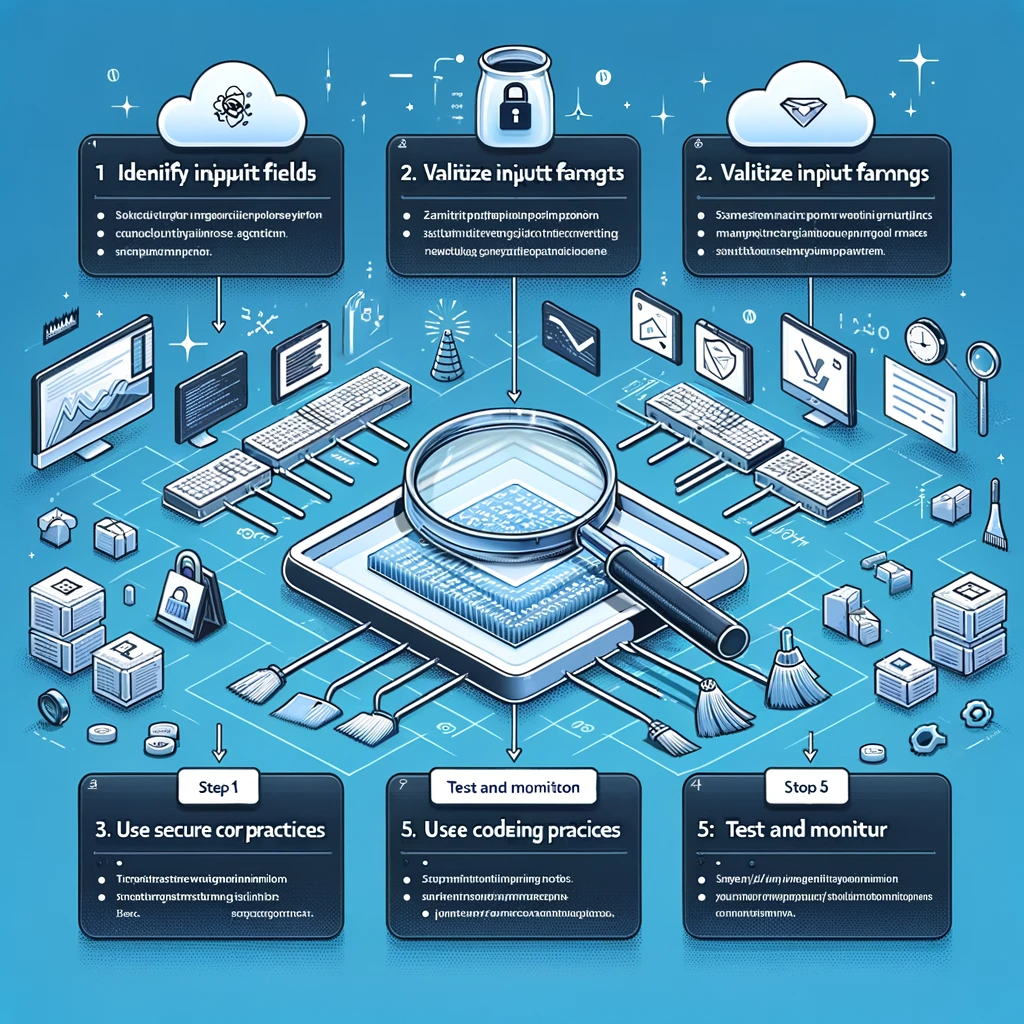
How Do Experts View the Impact Of Shadow AI on Data Privacy?
Conclusion
In the era of rapid technological advancement, the emergence of Shadow AI in cloud systems evokes a complex mix of exhilaration and caution. It’s like discovering a goldmine of potential, but behind every shiny opportunity, shadows lurk. The allure of Shadow AI—the unregulated applications that employees spontaneously adopt—can drive efficiency and innovation, but it also invites significant risks. Imagine the sense of empowerment as a team member adopts an AI tool, yet consider the hidden vulnerabilities introduced into your organization. Undoubtedly, it feels good to embrace new capabilities, but that thrill can quickly morph into anxiety if trust in your data is compromised.
From a rational point of view, the stakes couldn’t be higher. The fallout from data breaches and compromised security is not just a hypothetical concern; real lives, livelihoods, and reputations hang in the balance. Are we really prepared to gamble our resources on unverified tools that could turn our businesses into easy targets for cybercriminals? Ethical leaders must account for these threats, understanding that every unmoderated decision not only risks their organization’s standing but also erodes the trust necessary for collaborative success.
Emotionally, we need to connect the dots. Each unverified tool represents a potential breach of trust with co-workers, stakeholders, and the broader community—relationships often built on years of hard work and reliability. We need to craft a culture where safety and transparency are paramount, encouraging open dialogue about the risks associated with unregulated technology use. Picture your organization as a close-knit community where every member’s input is valued, akin to a potluck where each dish must meet safety standards.
Ultimately, the rise of Shadow AI offers not just a challenge but also a valuable opportunity to create higher standards in technology governance. By fostering an environment of continuous education and responsible use of AI, we can establish robust frameworks for compliance and cybersecurity. This journey requires collective vigilance and solidarity, where each employee becomes a trusted guardian of their organization’s data.
Let’s take this opportunity to shine a light on the shadows, embracing the challenge ahead with courage and clarity. Together, we can cultivate a landscape where innovation flourishes in harmony with security, reinforcing the very fabric of our professional communities. By working together, we can navigate the complexities of Shadow AI and ensure it serves as a tool for empowerment rather than a source of vulnerability.

Conclusion
Conclusion:
- The emergence of Shadow AI in cloud systems presents both potential and significant risks.
- Unregulated AI applications can drive efficiency and innovation, but can also introduce hidden vulnerabilities.
- Data breaches and compromised security can have severe repercussions for lives and reputations.
- Ethical leaders must weigh the risks of using unverified tools that could attract cybercriminals.
- Unverified tools risk breaching trust with co-workers, stakeholders, and the community.
- There is a need to foster a culture of safety and transparency, encouraging open dialogue about technology use.
- The rise of Shadow AI creates an opportunity to enhance technology governance and promote responsible AI usage.

Conclusion
Other Resources

Other Resources
Here is a list of other resources you can review online to learn more:
- Firestorm Cyber
- Delta Risk
- MOE Cyberdefense
- JLS Technology USA
- TruAdvantage
- Impact Networking
- Root9b
- Dataprise
- BlueVoyant
- Atos
- Blue Line Technologies
- CipherTechs
- deviantART
- Deloitte
- DXC Technology
- ACME Communications Limited
- Waident Technology Solutions
- ADT Cybersecurity
- True Digital Security
- Braintrace
Use This Prompt To Get More Resources With Your Favorite Online AI Tool: Please provide me with a list of online articles with their URLs in a bulleted list that I can read regarding The Rise Of Shadow AI In Cloud Systems – What It Means for You

Other Resources
Glossary Terms
The Rise Of Shadow AI In Cloud Systems – What It Means for You – Glossary Of Terms
1. Shadow AI: Unofficial artificial intelligence tools or applications used by employees without explicit approval from IT departments.
2. Cloud Computing: Delivery of computing services, including storage, databases, and software, over the internet, allowing for on-demand access.
3. Data Security: Measures and practices to protect digital data from unauthorized access, corruption, or theft across all systems and devices.
4. Compliance: Adhering to laws, regulations, and guidelines relevant to data protection and privacy, especially in cloud environments.
5. Data Governance: Framework for managing data availability, usability, integrity, and security within an organization.
6. BYOD (Bring Your Own Device): Policy that allows employees to use their personal devices for work purposes, raising security concerns with Shadow AI.
7. AI Tools: Software applications that utilize artificial intelligence algorithms to perform tasks traditionally requiring human intelligence.
8. Ecosystem: A network of interconnected systems and services, including third-party applications that can access or integrate with cloud platforms.
9. IT Governance: The framework that ensures that IT systems align with the organization’s goals, including management of risks related to Shadow AI.
10. Risks: Potential negative consequences associated with Shadow AI, including data breaches, compliance violations, and system vulnerabilities.
11. Integration: The process of enabling multiple systems and applications to work together within a cloud-based environment.
12. User Empowerment: The phenomenon of employees utilizing Shadow AI to increase efficiency and productivity outside traditional IT controls.
13. Vendor Lock-In: A situation where an organization becomes dependent on a particular cloud service provider, limiting flexibility and options for change.
14. API (Application Programming Interface): A set of rules and protocols for building software applications that allow different programs to communicate with each other.
15. DevOps: Methodology combining software development (Dev) and IT operations (Ops) to improve collaboration and productivity, which can be influenced by Shadow AI.
16. Machine Learning: A subset of AI that involves algorithms that allow computers to learn patterns and make decisions based on data.
17. Scalability: The capability of a cloud service to easily increase or decrease resources as business demands change.
18. Data Loss Prevention (DLP): Strategies and tools designed to prevent sensitive data from being lost, misused, or accessed by unauthorized users.
19. User Behavior Analysis: Monitoring and assessing user activities to identify patterns that may indicate unauthorized use of Shadow AI.
20. Sandboxing: Isolating applications or environments to test new software safely, often used to assess Shadow AI tools without risking entire systems.
21. Access Control: Security measures that restrict access to data and resources based on user credentials and permissions.
22. Insider Threats: Risks posed by individuals within the organization who misuse their access to information systems, potentially leveraging Shadow AI.
23. Incident Response: Procedures and actions taken to address and manage the aftermath of a security breach or cyber attack.
24. Artificial Intelligence Ethics: The principles guiding the responsible use of AI technologies, including fairness, accountability, and transparency.
25. Multi-Cloud Strategy: The use of multiple cloud computing services from different vendors to avoid dependency and increase flexibility.
26. Collaboration Tools: Software applications that facilitate teamwork and communication, enhancing productivity, which can include Shadow AI solutions.
27. User Training: Educational programs aimed at teaching employees about risks and best practices associated with using cloud services, including Shadow AI.
28. Data Breach: An incident where unauthorized access results in the exposure or theft of sensitive and confidential data.
29. Artificial Intelligence Adoption: The process of integrating AI technologies into business practices for enhanced efficiency and decision-making.
30. Privacy Policy: Document outlining how an organization collects, uses, and protects personal information, vital for complying with regulations and managing Shadow AI risks.

Glossary Of Terms
Other Questions
The Rise Of Shadow AI In Cloud Systems – What It Means for You – Other Questions
If you wish to explore and discover more, consider looking for answers to these questions:
- What are the common examples of Shadow AI in organizations?
- How can companies identify instances of Shadow AI?
- What are the best practices for managing Shadow AI?
- How does Shadow AI affect organizational culture?
- What role does IT play in curbing Shadow AI usage?
- What legal implications are associated with Shadow AI usage?
- How can organizations foster better communication around technology adoption?
- What tools are available for tracking and managing Shadow AI?
- How do different industries perceive the risks associated with Shadow AI?
- What training programs can help employees understand the risks of Shadow AI?
- How do users’ perceptions of Shadow AI differ across generations in the workplace?
- What are the signs that unverified AI tools are being misused?
- How can companies measure the success of their compliance strategies regarding Shadow AI?
- What frameworks exist for ethical AI use in organizations?
- How do organizations overcome resistance to formal AI governance?
- What advancements in cybersecurity could help mitigate the risks of Shadow AI?

Other Questions
Haiku
The Rise Of Shadow AI In Cloud Systems – What It Means for You – A Haiku
Shadow AI whispers,
Promises dance, risks unfold—
Trust is the bright light.

Haiku
Poem
The Rise Of Shadow AI In Cloud Systems – What It Means for You – A Poem
In digital realms where shadows creep,
A hidden dance, we tread too deep.
With promises whispered, like sirens’ calls,
We risk our trust as the darkness falls.
In the blink of an eye, a tool is embraced,
But security’s fabric begins to be laced
With uncertainties lurking, a thief in the night,
Our data vulnerable, exposed in the light.
A local bakery, bustling with cheer,
Is crushed by unseen threats drawing near.
Lives intertwined, not just dollars at stake,
Innocence shattered by reckless mistakes.
As we gamble our fortunes on choices unvetted,
What legacies linger for futures indebted?
With every new application, the stakes only rise,
It’s not just tech—it’s our shared enterprise.
Let’s weave a fabric of safety, and trust,
Encouraging dialogue, in ethics we must.
The stories we tell shape futures we seek,
Where innovation thrives, but never grows weak.
So join hands together, in integrity stand,
Balancing progress with a vigilant hand.
In this brave new world, let’s unite, advocate,
For a future where technology nurtures, not violates.
With courage and clarity, we move as one,
Transforming the chaos, till the shadows are shunned.
In the heart of the cloud, let our values reign true,
For a brighter tomorrow, forged by me and you.

Poem
Checklist
The Rise Of Shadow AI In Cloud Systems – What It Means for You – A Checklist
Shadow AI Awareness Checklist
Emotional Appeals
_____ Reflect on Trust: Consider how Shadow AI usage can impact trust among colleagues and departments.
_____ Evaluate Personal Responsibility: Acknowledge your role in safeguarding sensitive data and the emotional weight of potential breaches.
Rational Appeals
_____ Assess Risks: List the potential risks associated with unregulated AI tools in your workflow (e. g. , data breaches, compliance issues).
_____ Analyze Benefits vs. Dangers: Weigh the benefits of Shadow AI against the possible consequences of its use in your organization.
Ethical Appeals
_____ Ethical Technology Use: Ensure that AI tools used in your work align with your personal and organizational values.
_____ Promote Transparency: Advocate for transparency in AI solutions, understanding their creators’ credibility and intentions.
Authority Appeals
_____ Seek Expert Opinions: Gather insights from cybersecurity experts and industry leaders on managing Shadow AI and mitigating its risks.
_____ Stay Informed: Follow credible sources on developments in AI policies and compliance standards to remain knowledgeable.
Narrative Appeals
_____ Share Success Stories: Discuss positive experiences where AI has enhanced productivity without compromising security.
_____ Discuss Cautionary Tales: Reflect on real instances where misuse of AI led to negative outcomes, fostering collective learning.
Social Appeals
_____ Foster Open Dialogue: Encourage discussions about AI within your team and create platforms for sharing thoughts and concerns.
_____ Build a Culture of Accountability: Promote a work environment where everyone feels responsible for maintaining data security while innovating.
Action Steps
_____ Educate Yourself and Others: Participate in training sessions on AI tools and cybersecurity protocols.
_____ Develop a Compliance Plan: Create or update an organizational framework for reviewing and approving AI tools before implementation.
By following this checklist, you can navigate the complexities of Shadow AI responsibly, balancing innovation with necessary security measures.

Checklist
At BestCyberSecurityNews, we help teach entrepreneurs and solopreneurs the basics of cybersecurity and its impact on their businesses by using simple concepts to explain difficult challenges.
Please read and share any of the articles you find here on BestCyberSecurityNews with your friends, family, and business associates.