


Empowering You With Safe And Smart AI Security
By Tom Seest
At BestCyberSecurityNews, we help teach entrepreneurs and solopreneurs the basics of cybersecurity and its impact on their businesses by using simple concepts to explain difficult challenges.
Please read and share any of the articles you find here on BestCyberSecurityNews with your friends, family, and business associates.
Finally, AI That Protects You – the Future Of Smart Security
When you think about security, what comes to mind? Is it the warm feeling of safety at home, or the nagging worry that something might breach that peace? In a world where cyber threats lurk around every corner, it’s no wonder we’re clamoring for a solution that not only locks the doors but also safeguards what matters most—our loved ones, our legacy, and our very way of life.
Picture this: an intelligent system that learns your routine, adapting to your needs and recognizing anomalies before they become crises. This isn’t science fiction but the evolution of smart security, standing at the forefront of cybersecurity. Something that doesn’t just react to threats but preemptively stops them in their tracks. Imagine a digital guardian that safeguards your home during the day while you’re out working hard to make a living, then shifts into high alert mode as evening falls, sensing when danger approaches.
This isn’t just about technology; it’s about trust. Our homes are sanctuaries—places where our children play and our memories are made. Choosing a smart security system isn’t merely a financial transaction; it’s a commitment to protecting what you hold dear. With today’s technology, we stand at the gates of a new frontier, armed with tools that have learned from millions of data points, ensuring that what’s inside remains safe and sound. You can feel the confidence build as you learn that these systems rely on ethical practices, designed to put your privacy and security first.
Moreover, this isn’t just a conversation for tech experts or industry veterans. It’s a dialogue for every person who yearns for peace of mind. The landscape of crime is evolving, and so must we. When communities invest in smart security, they cultivate safer environments for families, neighborhoods, and city blocks. It’s more than a product; it’s a movement. By breaking down barriers and fostering connections, we empower one another to take control of our security.
So, ask yourself: are you ready to embrace the future of security? Are you prepared to safeguard your home, your family, and your peace of mind with not just intellect but with heart? By taking action today, you’re not only protecting yourself, but you’re also becoming part of a collective effort—a shared commitment to creating a safer future for everyone, one smart solution at a time.

Finally, AI That Protects You – the Future Of Smart Security
Finally, AI That Protects You – the Future Of Smart Security
- Security evokes feelings of safety and concern for potential breaches.
- Smart security systems adapt to routines, recognizing anomalies to prevent crises.
- These systems act as proactive digital guardians, monitoring homes both day and night.
- Investing in smart security is a commitment to protecting loved ones and personal legacy.
- Modern security technology is informed by millions of data points, prioritizing privacy and ethics.
- Smart security conversations are relevant to everyone seeking peace of mind, not just experts.
- Communities investing in smart security foster safer neighborhoods and empower collective safety efforts.

Finally, AI That Protects You – the Future Of Smart Security
Table Of Contents
- Finally, AI That Protects You – the Future Of Smart Security
- What If AI Could Keep Your Family Safe From Unseen Threats?
- How Can Smart Security Reduce Your Anxiety About Home Safety?
- Is It Ethical to Rely on AI for Personal Protection?
- Can We Trust AI Systems to Make the Right Decisions In Emergencies?
- How Does Technology Change Our Perception Of Safety In Daily Life?
- How Can Community Feedback Shape Safer AI Security Solutions?
- What Are the Hidden Costs Of Adapting to AI-Driven Security Systems?
- Conclusion
- Other Resources
- Glossary Of Terms
- Other Questions
- Haiku
- Poem
- Checklist
What If AI Could Keep Your Family Safe From Unseen Threats?
Imagine a world where the unseen threats lurking in the shadows—the cyber criminals, the identity thieves, the predators of personal data—are kept at bay by an invisible guardian. That’s the promise of AI in the realm of cybersecurity, a promise that transcends mere technology. It’s about protecting our loved ones, safeguarding our homes, and ensuring that the tender threads of family life remain untangled from the chaos created by those who see opportunity in vulnerability.
Picture your child, nestled in their room, blissfully unaware of the potential dangers they face online. Each click, each download, is rife with risk, and yet it doesn’t have to be. AI can step in as both an educator and a protector. It learns from our behavior, adapting its defenses to fit the unique contours of our families’ needs. This isn’t just smart technology; it’s a safety net woven from algorithms and a deep understanding of human behavior. It’s personal, intentional, and endlessly vigilant.
But let’s not kid ourselves: the stakes are high. According to recent studies, a single data breach can not only lead to financial ruin but also bring emotional distress that echoes through a household. Families are disrupted, trust is eroded, and all that chaos could be prevented. The ethical obligation to shield our loved ones is no small matter; it’s paramount. When we leverage AI in cybersecurity, we’re not just adopting new technology—we’re embracing a transformative paradigm. One that says, “I will do everything in my power to keep my family safe.”
The concept resonates deeply with community values. We’ve all shared stories of near-misses or close calls. By taking advantage of AI’s capabilities, we foster not only our own security but contribute to a larger framework of safety and trust within our neighborhoods. Each family fortified against unseen threats enhances the collective resilience of our communities.
So it’s time to act. Engage with solutions that promise more than just protection; choose tools that foster confidence and trust. When our defenses are led by intelligent systems that think ahead, we can refocus our energies on what truly matters—love, connection, and the unfiltered joy of daily life. Because ultimately, there’s no better investment than the security of those we hold dear.

What If AI Could Keep Your Family Safe From Unseen Threats?
What If AI Could Keep Your Family Safe From Unseen Threats?
- AI serves as an invisible guardian against cyber threats, protecting families and personal data.
- It acts as both an educator and protector, adapting security measures to fit unique family needs.
- A single data breach can lead to financial ruin and emotional distress for families.
- There is an ethical obligation to shield loved ones from potential cyber dangers.
- Utilizing AI in cybersecurity represents a transformative approach to family safety.
- Strengthening individual families enhances community resilience against unseen threats.
- Investing in intelligent security solutions allows focus on love, connection, and daily joy.

What If AI Could Keep Your Family Safe From Unseen Threats?
How Can Smart Security Reduce Your Anxiety About Home Safety?
In a world where we often feel like vigilant sentinels over our own homes, the anxiety that creeps in about safety can be overwhelming. It gnaws at the edges of our peace, feeding on the unsettling news and stories of crime that seem to multiply with every click. Yet, amidst the chaos, there’s a comforting truth: smart security systems are more than just gadgets. They’re allies in reclaiming the confidence we once took for granted.
Imagine walking through your front door after a long day, your heart heavy with the weight of what-ifs—what if someone has trespassed? What if something has gone horribly wrong? Now, picture that same scenario, but with the reassuring hum of a security system standing guard, watching out for you. It’s not just about the flashy sensors or the sleek cameras; it’s about the mental peace that accompanies knowing you’re protected. The surveillance footage captured on high-definition cameras can serve as a reassuring tally of your home’s safety, creating a foundation of trust that recalibrates your sense of well-being.
But it gets deeper than that. Smart security systems seamlessly integrate with technology, too, boosting not just physical safety but also safeguarding against vulnerabilities like cybersecurity threats. You can fortify your home against external dangers while ensuring that your digital footprint remains secure. The ability to monitor your home from wherever you may roam is a significant advantage, and with encryption protocols in place, you’re not just a passive observer—you’re an active participant in your safety strategy.
Think about family: they’re the heart of our lives. A smart security system isn’t just for you; it’s a promise to the people you love. It tells them that you care about their safety. It reinforces the bonds of trust, showing you’ve taken tangible steps to create a haven, a space where they can feel secure and valued.
And let’s not kid ourselves; in the age of social media and hyper-connectivity, feeling safe influences how we live and interact with others. When you know your home is secure, you can focus on the connections that truly matter, whether it’s hosting a gathering or simply lounging with loved ones.
With smart security at your side, anxiety about safety transforms into a proactive stance against fear—empowering not just you, but your entire household, fostering an atmosphere of resilience that resonates from the inside out. Reclaim that sense of peace, because home should be where the heart is, not where anxiety thrives.

How Can Smart Security Reduce Your Anxiety About Home Safety?
How Can Smart Security Reduce Your Anxiety About Home Safety?
- The anxiety surrounding home safety can be overwhelming, fed by unsettling news about crime.
- Smart security systems serve as allies in regaining confidence and peace of mind.
- They provide reassurance through surveillance footage and advanced protection measures.
- Smart systems protect against both physical threats and cybersecurity vulnerabilities.
- Monitoring your home remotely enhances your active participation in your safety strategy.
- A smart security system demonstrates care for loved ones, creating a safer, trusted environment.
- With enhanced security, you can focus more on meaningful connections and reduce anxiety.

How Can Smart Security Reduce Your Anxiety About Home Safety?
Is It Ethical to Rely on AI for Personal Protection?
As we navigate through an age where technology is woven into the very fabric of our lives, the question looms large: is it ethical to rely on AI for personal protection? This isn’t just a legal matter; it’s an emotional and moral quandary that speaks to the core of what it means to trust—and who—or what we trust.
Picture a world where advanced cybersecurity measures stand guard, silently scanning for threats that could compromise our safety and privacy. AI can detect anomalies with a precision that would stump even the most seasoned human analyst. It’s a comforting thought, isn’t it? That while we sleep, machines tirelessly patrol our digital frontiers, ready to alert us when danger lurks. But what does it mean to put our faith in these algorithms? Are we relinquishing our agency, or are we simply evolving our understanding of protection?
From a rational standpoint, the statistics are clear: AI can drastically reduce risks associated with cyber threats. However, the ethical implications complicate the picture. When does reliance shift from empowerment to dependency? If an AI misjudges a threat, what are the repercussions for our safety and wellbeing? Here, we tread a fine line. The authority of technology must be balanced with the humility of recognizing its limitations.
Let’s connect this to our everyday lives. Imagine receiving an alert from a smart system that your online bank account is in jeopardy. That icy rush of fear morphing into relief as you realize AI has your back. In moments like these, it’s easy to cast aside reservations—but the deeper question remains: are we willing to place our emotional safety in the hands of something that doesn’t breathe, feel, or understand the weight of our individual narratives?
It’s necessary to reflect on the role of community, too. As we adopt these technologies, we engage in a broader conversation about safeguarding not just ourselves, but those around us. It’s about striking a balance. We must advocate for responsible AI use that respects our humanity while embracing the advancements that promise us security.
Ultimately, trusting AI in our personal protection isn’t merely an act of convenience; it should be a collective decision grounded in ethics and mutual respect for our need to feel safe, both online and offline. The path may be riddled with challenges, but fostering this dialogue is essential as we venture into a future where the harmony of human instinct and artificial intelligence shapes our lives.

Is It Ethical to Rely on AI for Personal Protection?
Is It Ethical to Rely on AI for Personal Protection?
- The ethical implications of relying on AI for personal protection raise questions about trust and agency.
- AI enhances cybersecurity by detecting threats with greater precision than human analysts, providing a sense of safety.
- There is a fine line between empowering users through AI and creating dependency on technology for safety.
- A single misjudgment by AI could have negative repercussions for individuals’ safety and wellbeing.
- Emotional safety is at stake when placing trust in AI systems that lack human empathy and understanding.
- The adoption of AI technologies invokes a communal responsibility to advocate for responsible use while balancing humanity and security.
- Trusting AI for protection should involve ethical considerations and collective dialogue about safety in an increasingly digital world.
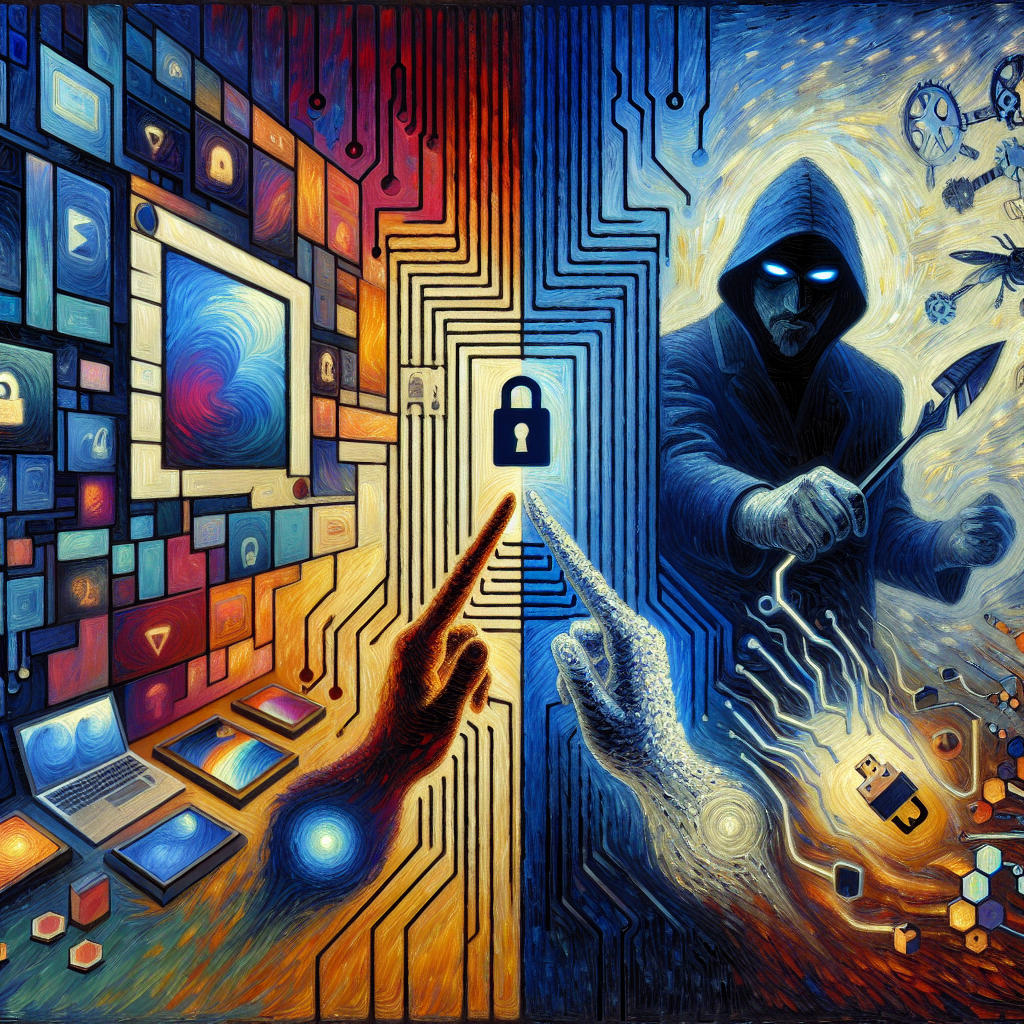
Is It Ethical to Rely on AI for Personal Protection?
Can We Trust AI Systems to Make the Right Decisions In Emergencies?
Imagine a world where split-second decisions could mean the difference between life and death. Now, picture calling upon a machine to make those choices for you. It’s a daunting thought, isn’t it? Emergencies reveal our deepest fears—of chaos, uncertainty, and vulnerability. When the stakes are this high, talking about trust in AI systems feels both crucial and complex.
At the heart of the debate is the simple question of reliability. In crises, we tend to crave clarity, knowing that lives hang in the balance. But lots of folks wonder—can a machine truly grasp the human elements at play? Can it feel the panic in someone’s voice or perceive the urgency behind a frantic heartbeat? When we reach for technology in desperate times, we want assurance. We want machines to act with the precision of a surgeon, not the randomness of a dice roll. And that’s where it gets tricky.
From a practical standpoint, AI systems, when designed thoughtfully, can bring unparalleled efficiency to emergency responses. They can analyze data faster than any human ever could and identify patterns that might be lost in the fog of crisis. Think about it: a cybersecurity breach in the middle of a natural disaster could spell doom. But what if an AI could anticipate threats, deploying defenses before they escalate? Rationally, that’s a game changer. Yet, the question remains—are we willing to place that kind of faith in algorithms crafted by humans, who can err?
Ethically, we must consider the responsibility that comes with such technology. We’ve seen AI falter when faced with biases embedded in its training data, leading to decisions that can harm rather than help. We must advocate for robust frameworks that ensure these systems uphold our values and protect the vulnerable. This isn’t just about dollars and data; it’s about safeguarding lives.
To foster a connection with AI, we need stories—real-world triumphs and tribulations that shape our understanding of its impact. Look at healthcare, where AI has transformed diagnostics. Each success story brings us closer to viewing AI as not just a tool, but a partner in our efforts to create safer environments. It’s about building a relationship grounded in mutual benefit and trust.
Ultimately, whether we choose to lean on AI in emergencies depends on our collective commitment to ethical development and accountability. By engaging in this conversation, we send a clear message: We’re looking for solutions that not only advance technology but also honor the humanity that drives it. Together, we can face the unknown, armed with both innovation and integrity.

Can We Trust AI Systems to Make the Right Decisions In Emergencies?
Can We Trust AI Systems to Make the Right Decisions In Emergencies?
- Split-second decisions in emergencies can be the difference between life and death.
- Trust in AI systems becomes critical but complex during crises.
- Key concerns include whether machines can understand human emotions and urgency.
- Well-designed AI can enhance efficiency in emergency response by analyzing data quickly.
- Ethical considerations are vital, especially concerning biases in AI’s training data.
- Real-world success stories, like in healthcare, help build trust in AI as a partner.
- Collective commitment to ethical development is essential for responsible AI usage in emergencies.

Can We Trust AI Systems to Make the Right Decisions In Emergencies?
How Does Technology Change Our Perception Of Safety In Daily Life?
In our sprawling, interconnected world, technology has become both a shield and a sword when it comes to our perception of safety. Consider a moment in your daily life—perhaps you’re tucked away in an airport, waiting for a flight. Your smartphone buzzes, alerting you to a potential breach in a popular app you just downloaded. That initial jolt of anxiety is unmistakable. It’s a reminder that cybersecurity is not just a buzzword; it’s a tangible issue affecting our lives daily.
Now, let’s engage our heads for a moment. Technology offers a vast array of tools designed to bolster our safety—everything from encrypted messaging apps to advanced surveillance systems. But the paradox is clear: while we’re more connected than ever, every link in that connection comes with its own vulnerabilities. We feel safer, yet we’re aware that a hacker sitting thousands of miles away could crack that illusion in an instant. This dissonance can lead us to question not just our safety but the very systems we rely upon.
From an ethical standpoint, we must ask ourselves: What does safety mean in a digital age? It’s not just about having access to the latest features but understanding the implications of our choices. Are we sacrificing our privacy for convenience? Are we willing to trust a complex labyrinth of algorithms with our most intimate data? The responsibility for safety isn’t just on the tech companies; it lies with us as users to foster a culture of awareness and accountability.
Our personal narratives intertwine with this reality. Picture a parent setting up parental controls on their child’s tablet, trying to create a bubble of safety in an unpredictable landscape. Each click, each adjustment, is a step taken in love and hope, but they also reflect a profound concern. The emotional weight of ensuring the next generation navigates these waters safely can feel overwhelming.
Finally, let’s touch on the social aspect. We gather, discuss, and debate our perceptions of safety with friends and family, sharing experiences that highlight both the strengths and weaknesses of our technologies. By fostering these conversations, we build a communal understanding that wraps around us like a safety net, reinforcing trust and confidence in an ever-evolving world.
Technology shapes our perception of safety profoundly—not just through its capabilities but through our attitudes towards it. It invites us to stay vigilant, to learn, to challenge, but most importantly, to connect.

How Does Technology Change Our Perception Of Safety In Daily Life?
How Does Technology Change Our Perception Of Safety In Daily Life?
- Technology serves as both a protective measure and a source of anxiety regarding safety in our interconnected world.
- Incidents like app breaches remind us that cybersecurity is a pressing issue affecting our daily lives.
- While technology provides tools for safety, such as encrypted messaging and surveillance systems, it also introduces vulnerabilities.
- We must reconsider what safety means in the digital age, weighing convenience against privacy and trust in technology.
- User responsibility is crucial; we need to cultivate awareness and accountability in relation to our technology use.
- Parental controls exemplify the emotional weight of ensuring safety for the next generation amidst digital complexities.
- Conversations about safety with family and friends foster communal understanding and bolster trust in technology.

How Does Technology Change Our Perception Of Safety In Daily Life?
How Can Community Feedback Shape Safer AI Security Solutions?
Imagine a bustling town square filled with people, each with their own stories, experiences, and insights. Now, picture this square as the digital realm—vibrant, complex, and teeming with life. In this reality, where every click, swipe, and login reflects the heartbeat of society, community feedback emerges as a fundamental force in shaping safer AI security solutions. Here’s why that matters.
At the heart of it all lies an innate human concern: safety. We want to feel secure when we exchange information, whether it’s a cherished memory shared with family or vital data for work. When communities come together to voice their experiences with cybersecurity, they aren’t merely crunching numbers; they are sharing the essence of their lives. Each piece of feedback is a heartbeat—a reminder that behind every algorithm are real people, vulnerable yet resilient. By empowering individuals to express their concerns and aspirations regarding AI security, we cultivate a sense of ownership and accountability.
Rationally, the wisdom of the crowd can’t be underestimated. A single perspective can be insightful, but collective knowledge shines brighter than any individual glimmer. Communities have insights that even the most sophisticated AI can’t predict. When you blend diverse viewpoints—parents worried about their children’s online safety, business owners concerned about data breaches, and tech enthusiasts eager for innovation—you create a fortress of understanding. This collaborative approach not only enhances the robustness of AI systems but also builds trust.
Ethically, engaging communities ensures that AI security solutions aren’t crafted in isolation. Developers and decision-makers have a duty to consider the varied landscapes of human emotion, ethics, and culture. By fostering dialogues that include everyday users, we create a more inclusive environment that reflects the diverse fabric of society. This isn’t just about algorithms; it’s about preserving the human element in a digital world.
As we invite communities to participate, we’re fostering a social contract. We’re saying, “Your voice matters. Join in, shape the future, and help us create an environment of trust.” This call to action is not merely a buzzword; it’s a rallying cry for collaboration and innovation. So, let’s open those lines of communication, learn from one another, and build a world where AI security solutions resonate with the heart, mind, and soul of every community. Together, we can pave the path toward a more secure digital landscape.

How Can Community Feedback Shape Safer AI Security Solutions?
How Can Community Feedback Shape Safer AI Security Solutions?
- The digital realm mirrors a bustling town square filled with diverse individuals.
- Community feedback is essential for shaping safer AI security solutions.
- Safety is a fundamental human concern in the exchange of personal and vital information.
- Collective knowledge of communities can illuminate insights beyond individual perspectives.
- Engaging communities ensures AI security solutions are developed inclusively and ethically.
- Fostering community involvement establishes a social contract emphasizing the importance of every voice.
- Collaboration and open communication can lead to a more secure digital landscape for all.

How Can Community Feedback Shape Safer AI Security Solutions?
What Are the Hidden Costs Of Adapting to AI-Driven Security Systems?
When we talk about AI-driven security systems, it’s easy to get caught up in the excitement of cutting-edge technology and the promise of enhanced protection. But behind the shiny facade lies a landscape filled with hidden costs that can sneak up on even the savviest of organizations. Now, this isn’t just about dollars and cents; it’s about considering the broader implications on our human experience, our values, and the very fabric of trust that binds us all together.
Imagine a small business, once thriving and deeply connected to its community, now forced to allocate a significant portion of its budget toward implementing AI technologies for cybersecurity. The costs don’t stop at just the software—there’s training staff to handle complex systems, the constant updates to keep pace with evolving threats, and the need for ongoing support. Each penny spent is a penny that could have supported local jobs, community initiatives, or even those Friday donuts at the office. You see, when the focus shifts from relationships to algorithms, something precious is at risk.
On a rational level, it’s crucial to weigh the long-term benefits against these hidden expenditures. Yes, AI can bolster defenses against cyber threats, but at what price? Consider the mental energy expended in managing these systems. Employees may feel overwhelmed, seeing their roles shift from proactive creators to reactive overseers of technology. This anxiety can lead to burnout, declining morale, and even a loss of loyalty to the organization.
Ethically, organizations must ask themselves what it means to prioritize technological efficiency over the welfare of their workforce. Trust, after all, is built through transparency and compassion. By involving employees in discussions about technological change and fostering an environment of inclusivity, companies can help ease the transition.
Socially, we must acknowledge that an obsession with AI can alienate us. Forgetting the humans behind the systems puts us at risk of losing the very relationships that fuel our businesses and communities. We have a responsibility to ensure that any advancements in cybersecurity don’t come at the cost of our humanity.
But amid these challenges, there lies opportunity. By prioritizing human connection alongside technological upgrade, organizations can navigate the complexities of AI integration. It’s about forging a path that reflects our values while enhancing our defenses, creating a culture that supports innovation without sacrificing trust. After all, in the battle against cyber threats, it’s often the bonds we nurture that serve as our strongest safeguard.

What Are the Hidden Costs Of Adapting to AI-Driven Security Systems?
What Are the Hidden Costs Of Adapting to AI-Driven Security Systems?
- AI-driven security systems promise enhanced protection but come with hidden costs that can impact organizations.
- Small businesses may need to allocate significant budgets for AI technologies, affecting local jobs and community initiatives.
- Costs include software, staff training, constant updates, and ongoing support, which can strain resources.
- Managing AI systems can lead to employee overwhelm, burnout, and declining morale as roles shift from proactive to reactive.
- Organizations must balance technological efficiency with employee welfare, fostering transparency and inclusivity in discussions.
- An overemphasis on AI can alienate individuals and disrupt essential human relationships within businesses and communities.
- Opportunities exist for organizations to prioritize human connection while integrating AI, creating a culture of innovation and trust.
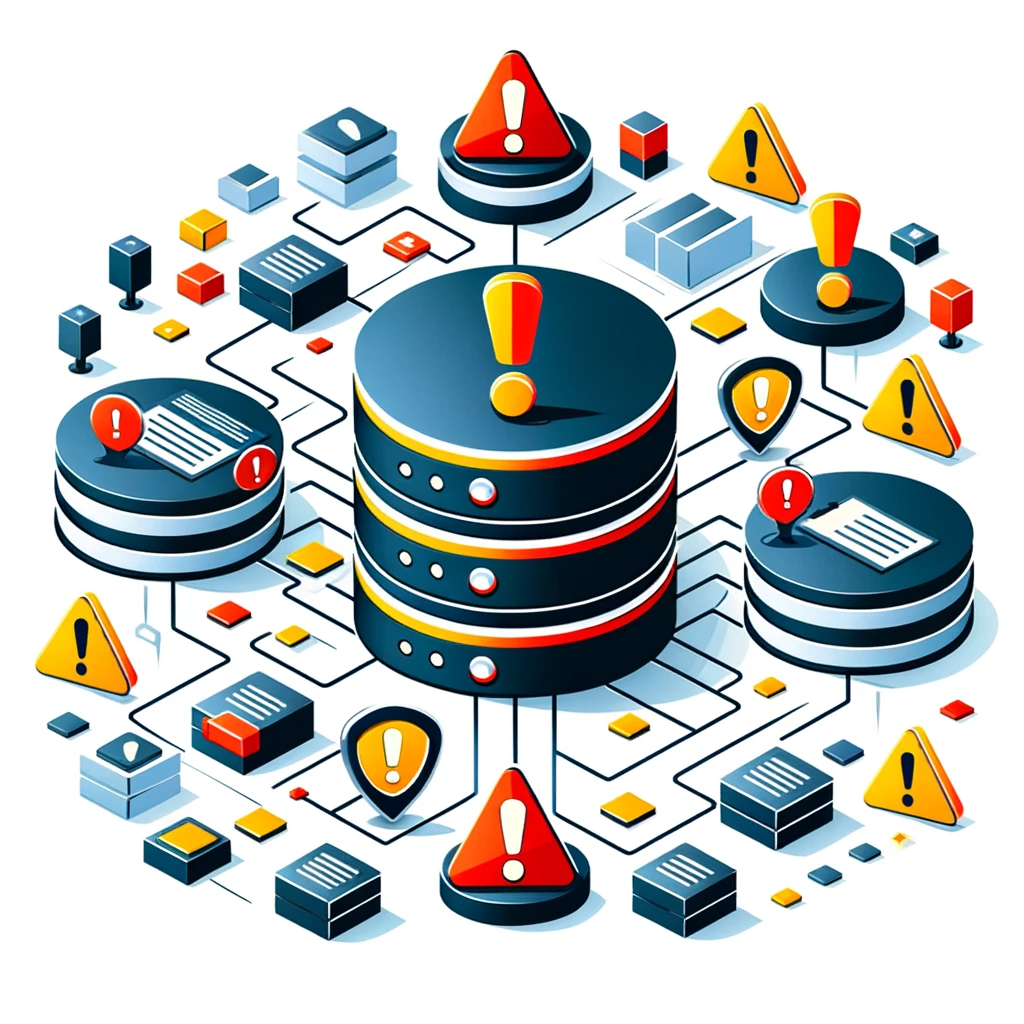
What Are the Hidden Costs Of Adapting to AI-Driven Security Systems?
Conclusion
When we talk about securing our homes and loved ones in this ever-evolving landscape of technology, we must remember it’s about more than just bytes and code; it’s about the very essence of our lives. The advent of AI-driven security systems heralds a transformative shift in how we think about protection—think of it as a digital guardian that not only reacts but anticipates the risks that threaten our peace. Imagine a protective force that learns and adapts to your family’s unique rhythms, a system that watches over you as you chase your dreams, only to engage its defenses when threats loom. This is not just wishful thinking but a reality we are stepping into, one that promises to foster a sense of safety that allows our hearts to rest easy.
At its core, choosing smart security isn’t merely a financial transaction; it’s a commitment to nurturing trust in our sanctuaries. The idea of a system that safeguards our children as they play or protects our memories resonates deeply—it’s a pledge that goes beyond technology. We’re talking about safeguarding our homes and, more importantly, preserving the emotional well-being that comes from knowing we are shielded from both physical and cyber threats.
The ethical dimensions of this technology cannot be overlooked. Can we entrust our safety to algorithms? The answer lies in how collectively we engage in these discussions, advocating for responsible use and oversight of AI. This isn’t a topic just for the tech-savvy; it calls upon each of us—every worried parent, friend, and neighbor—to champion solutions that prioritize our humanity. When communities stand united, investing in smart systems, we amplify resilience across neighborhoods, creating a fabric of security that bonds us closer together.
It is pivotal, however, to acknowledge the hidden costs of this transformative journey. Implementing AI isn’t merely a matter of expense; it also requires a thoughtful reckoning of how we nurture the relationships that underpin our lives. Balancing technology with our innate need for connection is the challenge that lies ahead. As we embrace these advancements, we must actively foster trust and transparency in our relationships, allowing technology to enhance rather than disrupt the human experience.
So, as you contemplate this new age of security, consider your place in this unfolding narrative. Are you ready to embrace the confidence that comes from being proactive in safeguarding your world? By engaging with these solutions, you’re not just protecting your home; you’re joining a collective journey toward a safer, more connected future—one smart solution at a time. Through shared effort and commitment, we can fortify our lives against the unknown and ensure that our homes remain sanctuaries of safety and love.

Conclusion
Conclusion:
- AI-driven security systems transform our approach to home protection, acting as digital guardians that anticipate risks.
- Smart security choices go beyond transactions, fostering trust and emotional well-being in our homes.
- These systems aim to safeguard our loved ones and memories from physical and cyber threats.
- Ethical considerations around trusting algorithms for safety highlight the need for collective engagement and responsible oversight.
- Community investment in smart systems can enhance resilience and foster stronger neighborhood bonds.
- The journey of integrating AI comes with hidden costs, including the need to maintain personal connections.
- Engaging with smart solutions is a proactive step toward a safer, more connected future for everyone.

Conclusion
Other Resources

Other Resources
Here is a list of other resources you can review online to learn more:
- Ascent InfoSec
- METMOX
- Sirius Computer Solutions
- Apex Computer Systems
- Tactical Intelligence Security
- Abacode
- Infiltration Labs
- CyberDefenses
- Eurofins Digital Testing
- JLS Technology USA
- Smartronix
- AKATI Consulting
- CBM Technology
- MegaplanIT
- Focal Point Solutions Group
- ISH Tecnologia
- WordPress
- All Covered
- ECS Federal, LLC
Use This Prompt To Get More Resources With Your Favorite Online AI Tool: Please provide me with a list of online articles with their URLs in a bulleted list that I can read regarding Finally, AI That Protects You – the Future Of Smart Security

Other Resources
Glossary Terms
Finally, AI That Protects You – the Future Of Smart Security – Glossary Of Terms
1. AI (Artificial Intelligence): Technology that simulates human intelligence processes such as learning, reasoning, and self-correction.
2. Smart Security: Advanced security systems that utilize technology for improved monitoring, alerting, and response capabilities.
3. Surveillance: Continuous observation or monitoring of a person or environment, often using cameras and sensors.
4. Automation: The use of technology to perform tasks without human intervention, enhancing efficiency in security systems.
5. Facial Recognition: A biometric technology that identifies individuals by analyzing facial features from images or video.
6. Machine Learning: A subset of AI that enables systems to learn from data and improve their performance over time.
7. Threat Detection: The ability to identify and assess potential risks or breaches in security systems.
8. Biometrics: Authenticating individuals based on physiological traits like fingerprints, voice, or retina patterns.
9. IoT (Internet of Things): Interconnected devices that communicate and exchange data over the internet, enhancing security functionalities.
10. Access Control: Mechanisms that determine who is allowed to enter or utilize specific areas or resources.
11. Emergency Response: Procedures and actions taken to address security breaches, emergencies, or critical situations.
12. Cloud Computing: Storing and accessing data over the internet, allowing for scalable and flexible security solutions.
13. Cybersecurity: Protecting systems, networks, and data from digital attacks and unauthorized access.
14. Data Encryption: Securing information by transforming it into a code to prevent unauthorized access during transmission or storage.
15. Smart Locks: Keyless entry systems that can be controlled remotely and often integrate with other smart home devices.
16. Home Automation: Technologies that allow control of home systems (lighting, alarms, locks) through a single interface.
17. Alerts and Notifications: Real-time notifications sent to users regarding security breaches or suspicious activities.
18. Predictive Analytics: Using data and algorithms to forecast potential security incidents before they occur.
19. Geofencing: A virtual boundary created using GPS or RFID technology that triggers actions when devices enter or exit the area.
20. Video Analytics: The automated analysis of video footage for detecting and reporting events or behaviors of interest.
21. User Authentication: Verifying the identity of a user attempting to access a secure system or device.
22. Remote Monitoring: The ability to observe and manage security systems from a distance using internet-connected devices.
23. Security Algorithm: A set of rules or calculations that guide the functioning of security systems, enabling data processing and decision-making.
24. Intrusion Detection System (IDS): Software or hardware designed to monitor and alert for unauthorized access to a network or environment.
25. Smart Cameras: High-tech surveillance cameras equipped with AI capabilities for features like motion detection and facial recognition.
26. Data Privacy: The protection and proper handling of personal information, ensuring individuals’ control over their data.
27. Vulnerability Assessment: A systematic examination of a system to identify security weaknesses that could be exploited.
28. Integrated Security Systems: Combining various security components (cameras, alarms, access controls) into a unified solution.
29. User Interface (UI): The point of interaction between the user and security systems or devices, focusing on user experience and ease of use.
30. Incident Response Plan: A predetermined approach for addressing and managing security breaches or emergencies effectively.

Glossary Of Terms
Other Questions
Finally, AI That Protects You – the Future Of Smart Security – Other Questions
If you wish to explore and discover more, consider looking for answers to these questions:
- What are the specific types of AI security systems available today?
- How do smart security systems learn and adapt to individual household routines?
- What are the common cyber threats that AI can help protect against?
- How do ethical practices in AI security protect user privacy?
- What factors should homeowners consider when choosing a smart security system?
- What role does community involvement play in enhancing AI security systems?
- How are AI security solutions monitored for effectiveness?
- What potential biases exist in AI algorithms used for security?
- How can users ensure they are using AI security tools responsibly?
- What framework exists for regulating AI in personal protection?
- What are the psychological impacts of relying on AI for safety?
- What training and resources are available to help businesses adapt to AI security?
- How can organizations strike a balance between technology and human interaction?
- How do cultural differences influence perceptions of AI security?
- What are the potential long-term consequences of over-relying on AI for security?

Other Questions
Haiku
Finally, AI That Protects You – the Future Of Smart Security – A Haiku
Smart guardians awake,
Weaving safety, truth, and trust—
Hearts, homes, hope secured.

Haiku
Poem
Finally, AI That Protects You – the Future Of Smart Security – A Poem
In the shadows of the digital age we tread,
Where fears of unseen threats weave in our heads,
Home should cradle us in soothing embrace,
Yet worries of safety can quicken our pace.
Imagine a guardian, wise and discreet,
An AI-dream that walks with us, fleet,
Learning our rhythms, like a familiar song,
Preparing our haven where we all belong.
It watches our steps in the broad daylight,
Transforms to a sentinel through the shroud of night.
With a promise forged on trust and care,
To protect our loved ones, our souls laid bare.
But is it mere technology that we embrace,
Or an ethical anchor in a perilous space?
The weight of dependency upon circuits and code,
Invites contemplation on the paths we now goad.
Fusing heart and reason, security grows,
Communities united, resilience in rows.
By sharing our voices, we shape and inspire,
Creating solutions that our spirits require.
Yet, amid the dawn of this innovative flight,
Loom hidden costs in the back of our sight.
Balancing progress with the warmth of our ways,
We weave a new future where humanity plays.
A call to action, a shared take on fate,
To nourish our bonds as we navigate.
In this journey of trust, let us boldly initiate,
For home is our heart, and together, we elevate.

Poem
Checklist
Finally, AI That Protects You – the Future Of Smart Security – A Checklist
Smart Security Preparedness Checklist
Emotional Appeals
_____ Reflect on what safety means to you and your family. What feelings come to mind?
_____ Identify three cherished memories that illustrate the importance of a secure home environment.
_____ Communicate your safety concerns with family members; what reassurances can you provide each other?
Rational Appeals
_____ Assess your current security measures: what vulnerabilities exist?
_____ Research AI-driven security systems and list their potential benefits and challenges.
_____ Create a comparison table of different smart security solutions, highlighting features, costs, and user reviews.
Ethical Appeals
_____ Explore the ethical implications of using AI in your security systems. Are there privacy concerns?
_____ Consider your role in advocating for responsible tech usage within your community.
_____ Initiate a discussion with family or friends on the ethical aspects of trusting machines for personal safety.
Authority Appeals
_____ Consult trusted sources or industry leaders on the best practices for home security and AI integration.
_____ Attend a local webinar or community meeting focusing on smart security technologies.
_____ Read case studies or whitepapers from reputable organizations about the effectiveness of AI in security.
Narrative Appeals
_____ Share a personal story of a time when you felt unsafe and how having the right security could have changed the outcome.
_____ Compile anecdotal evidence from community members about their experiences with security incidents.
_____ Write a brief narrative outlining a day in the life with a smart security system; visualize how it enhances your peace of mind.
Social Appeals
_____ Form or join a community group centered on safety and security best practices; how can you collectively elevate security measures?
_____ Use social media to explore community feedback and experiences with AI security options.
_____ Encourage your neighbors to share their thoughts and insights about local security needs and technologies to foster a secure neighborhood environment.

Checklist
At BestCyberSecurityNews, we help teach entrepreneurs and solopreneurs the basics of cybersecurity and its impact on their businesses by using simple concepts to explain difficult challenges.
Please read and share any of the articles you find here on BestCyberSecurityNews with your friends, family, and business associates.


