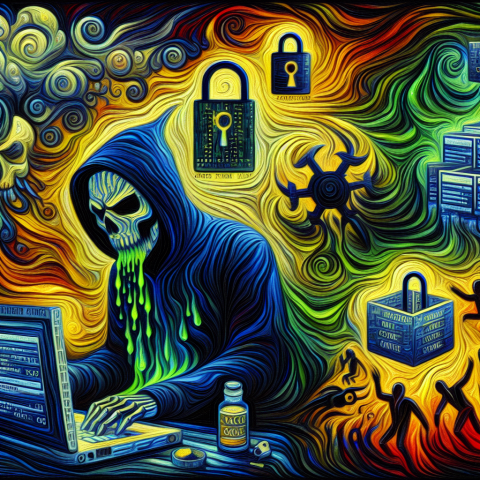
Unlocking Device Security: The Power Of Passwords
By Tom Seest
At BestCyberSecurityNews, we help teach entrepreneurs and solopreneurs the basics of cybersecurity and its impact on their businesses by using simple concepts to explain difficult challenges.
Please read and share any of the articles you find here on BestCyberSecurityNews with your friends, family, and business associates.
Can Passwords Help Protect Your Business Devices?
In the modern world, the significance of cybersecurity can’t be emphasized enough. Every device your business employs—whether it’s a tablet accessing sensitive data, a laptop used for communication, or a smartphone used for on-the-go management—represents a potential chink in your armor. When it comes to protecting these devices, passwords act as your first line of defense. But let’s take a moment to dig a little deeper into the gritty realities of why good passwords matter.
Picture this: You’re in the middle of a meeting, and that shiny new tablet you bought starts buzzing with notifications. Before you know it, you’ve lost track of time, and in your distraction, you’ve left it unattended. It only takes a few moments for someone with malintent to steal that device or access the information you thought was secure. Here’s where cybersecurity strategies need to kick in, and passwords are paramount.
Creating robust, complex passwords is like putting a steel door on that tablet. You wouldn’t leave your front door wide open, would you? Likewise, your business devices shouldn’t be accessible with simple, easily guessable passwords. Instead, consider long phrases, a combination of upper- and lower-case letters, numbers, and special characters. Sure, it may seem tedious, but that password is the difference between a secure environment and an open invitation to hackers lurking in the digital shadows.
And let me tell you, educating your team about these cybersecurity protocols is crucial. Without proper training, even the best password can be meaningless. Phishing emails and sneaky social engineering tactics can lead even the most vigilant team members astray. Combine strong passwords with two-factor authentication, and now you’re stacking the odds in your favor, making it that much more difficult for an intruder to worm their way into your sensitive information.
But here’s the kicker: change those passwords routinely. Letting them linger can be as dangerous as leaving the keys in the ignition of your vehicle. Regularly changing passwords not only limits the exposure time of stolen credentials but also fosters a culture of security within your organization.
In a world brimming with cyber threats, don’t let negligence be the catalyst for disaster. Equip your team, fortify your devices, and take cybersecurity seriously. Because when it comes down to protecting your business, every password matters.

Can Passwords Help Protect Your Business Devices?
Can Passwords Help Protect Your Business Devices?
- Cybersecurity is crucial in the modern world, as every business device poses a potential risk.
- Passwords serve as the first line of defense in protecting sensitive information on devices.
- Leaving devices unattended can lead to theft or unauthorized access to secure information.
- Creating strong, complex passwords is essential for keeping devices secure.
- Educating teams about cybersecurity protocols enhances the effectiveness of strong passwords.
- Regularly changing passwords limits the exposure of stolen credentials and promotes a security culture.
- Taking cybersecurity seriously can prevent negligence from leading to significant threats. .

Can Passwords Help Protect Your Business Devices?
Table Of Contents
- Can Passwords Help Protect Your Business Devices?
- What Are The Risks Of Weak Passwords For Business Devices?
- How Can Passwords Enhance Device Security?
- What Are Best Practices For Creating Strong Passwords?
- How Often Should Passwords Be Changed For Business Devices?
- What Tools Can Help Manage Passwords Securely?
- Should Two-Factor Authentication Be Used With Passwords?
- How Can Employees Be Trained On Password Security?
- Conclusion
- Other Resources
- Glossary Of Terms
- Other Questions
- Haiku
- Poem
- Checklist
What Are The Risks Of Weak Passwords For Business Devices?
In the age of technology, where every swipe and click can lead to a treasure trove of sensitive information, the importance of robust security cannot be overstated. The risks of weak passwords for business devices are a treacherous reality. Cybersecurity isn’t just a buzzword; it’s a necessity that every organization, big or small, must take seriously. You might think that’s a bit of an overreaction, but let’s dive into why slapping a weak password on your devices is asking for trouble.
Imagine running a business with employees relying on devices that store company secrets, customer data, and financial information. Now, consider what happens when your devices are protected by easily guessable passwords like “123456” or “password.” It doesn’t take a hacking genius to break through those flimsy barriers. In fact, cybercriminals often use automated tools to sift through countless password combinations, and guess what? The easier the password, the quicker they get in. This isn’t merely a nuisance; it’s a full-blown threat to your company’s digital infrastructure.
When these malicious actors gain access, they can do a world of damage. They might steal sensitive information, disrupt operations, or even hold your data hostage for a hefty ransom. The aftermath of a cyberattack can be devastating, leading to loss of customer trust, legal repercussions, and a financial hit that could cripple your business. All of this because someone thought a simple password was sufficient protection.
Moreover, the ramifications extend beyond just the immediate loss. Think of the long-term impact on your company’s reputation. In a hyper-connected world, news travels fast. A breach due to weak cybersecurity practices can sour relationships with partners and clients faster than you can say “data leak.” There’s a certain ripple effect that comes with a breach, affecting not just the finances but the credibility and viability of your entire operation.
So, what can you do to protect yourself? The answer is simple but perhaps a bit tedious—strong passwords. Combine upper and lower case letters, numbers, and symbols. Use passphrases that require a bit of thought. Encourage employees to adopt better password hygiene practices because when it comes to cybersecurity, every small step you take can lead to significant leaps in safeguarding your business.
In a world where being just a little more secure can make all the difference, why take unnecessary risks? Protecting your business devices with robust passwords is not just smart; it’s essential.

What Are The Risks Of Weak Passwords For Business Devices?
What Are The Risks Of Weak Passwords For Business Devices?
- The importance of robust security in the digital age cannot be overstated.
- Weak passwords pose significant risks for business devices and data.
- Cybersecurity is a necessity for organizations of all sizes.
- Easily guessable passwords like “123456” are vulnerable to cyberattacks.
- Cybercriminals can cause severe damage, including data theft and operational disruptions.
- Weak cybersecurity practices can harm a company’s reputation and client relationships.
- Implementing strong passwords and encouraging better password hygiene is essential for protection.

What Are The Risks Of Weak Passwords For Business Devices?
How Can Passwords Enhance Device Security?
When it comes to the wild world of technology, most folks think they’re secure just because they’ve got the latest gadget or the fastest Internet connection. But let me tell you, if you want to really toughen up that digital fortress you call a device, passwords are your first line of defense. It’s like locking the front door of your home; you wouldn’t leave it wide open for anyone to stroll in, right?
So let’s get into the nitty-gritty of how passwords can enhance your device security. First off, consider the basics. Cybersecurity starts with the notion that your personal data is treasure worth protecting. A weak password is like leaving a key under the welcome mat—just begging for trouble. You wouldn’t want an uninvited guest rifling through your belongings. The same goes for your digital life.
When you create a password, think creatively. Use a mix of upper and lower-case letters, numbers, and special characters. This isn’t just a recommendation; it’s a commandment of cybersecurity. The more complex your password, the tougher it is for cybercriminals to crack it. Imagine trying to break into Fort Knox with nothing but a toothpick—ain’t gonna happen!
Now, let’s talk about the power of unique passwords. Using the same password across multiple accounts is a rookie mistake that could have dire consequences. If one account gets breached, that cozy little password is out in the wild, making your other accounts as vulnerable as a meatball at a spaghetti dinner. Don’t do that to yourself. Each password should be as unique as a snowflake—no duplicates allowed!
The age of two-factor authentication has dawned, and it’s here to kick butt and take names. Pairing your password with an additional layer of security—like a text message or an authentication app—can really lock things down tighter than a drum. It’s like having a guard standing watch while you take a nap.
In this crazy landscape of rampant data breaches and cyber threats, passwords are your shield. Demonstrating discipline in your password practices is crucial if you hope to enjoy all that technology offers without the nagging worry of cyber evils lurking around every corner. So take those passwords seriously; they’re not just characters on a screen—they’re your first and often your best defense in the world of cybersecurity.
How Can Passwords Enhance Device Security?
How Can Passwords Enhance Device Security?
- Latest gadgets and fast Internet do not guarantee security; passwords are essential.
- Weak passwords are akin to leaving your home door wide open to intruders.
- Create strong passwords using a mix of upper/lower-case letters, numbers, and special characters.
- Unique passwords for each account are crucial to prevent widespread breaches if one is compromised.
- Utilize two-factor authentication for an additional layer of security.
- Practicing strong password habits is vital for security in the technology-driven world.
- Passwords serve as the first line of defense in protecting your personal data.

How Can Passwords Enhance Device Security?
What Are Best Practices For Creating Strong Passwords?
When it comes to cybersecurity, there’s one universal truth that can’t be ignored: your password is like the front door to your digital life. Leave it unchecked, and you might as well put out the welcome mat for intruders. So how do we craft a password that’s as sturdy as an oak door? Let’s dig into some best practices for building a fortress around that digital threshold.
First up, length matters. Think of your password as a fine piece of art—it should be complex and detailed. The longer the password, the harder it is for someone to crack it. Aim for at least 12 to 16 characters, but don’t just add a bunch of letters for the sake of it. Mix in upper and lower case letters, numbers, and symbols to add layers, making it much tougher for the bad guys.
Next, avoid the obvious. Using your name, birthday, or even your pet’s name is like carving it into a sign that says, “Hey, come on in!” Get clever. Create a passphrase—something memorable yet unique, like a favorite quote or line from a song. Combine unrelated words or concepts, and you’ll be well on your way to a strong password that’s easy to remember but nearly impossible to guess.
Another crucial tip: don’t recycle passwords across multiple sites. If one site gets breached, the rest of your accounts are hanging on by a thread. Each password should be as unique as a snowflake. Yes, that might feel like a lot of work, but trust me, it’s better than dealing with the aftermath of a compromised account.
And how about using a password manager? Think of it as your digital vault, storing all those complex passwords and even generating them for you—no more sticky notes plastered around your monitor. It streamlines your life while enhancing your cybersecurity strategy.
Lastly, don’t forget to update your passwords regularly. Just like a well-oiled machine needs maintenance, so too do your online credentials. Schedule password refreshes like you would an oil change, and you’ll keep that pesky intruder at bay.
So, remember: in the world of cybersecurity, a strong password is not just a digital detail—it’s your first line of defense. Take the time to build a robust one, and you can rest easier knowing that your information is locked up tight.

What Are Best Practices For Creating Strong Passwords?
What Are Best Practices For Creating Strong Passwords?
- Your password acts as the front door to your digital life; keep it secure to deter intruders.
- Prioritize length; aim for a password of at least 12 to 16 characters with a mix of upper and lower case letters, numbers, and symbols.
- Avoid obvious passwords such as your name, birthday, or pet’s name; consider creating a memorable passphrase or combining unrelated words.
- Don’t recycle passwords across sites; unique passwords for each account provide better security against breaches.
- Use a password manager to store and generate complex passwords, eliminating the need for physical reminders.
- Regularly update your passwords to maintain security; schedule updates similarly to routine maintenance like an oil change.
- A strong password is your first line of defense in cybersecurity—take the time to create one for better protection.

What Are Best Practices For Creating Strong Passwords?
How Often Should Passwords Be Changed For Business Devices?
In today’s digital landscape, the phrase “Cybersecurity” has become as ubiquitous as the air we breathe. Yet, like so many things in life, there’s a fine line between being vigilant and being paranoid. One of the most debated topics in the realm of Cybersecurity is how often we should change our passwords for business devices.
Let’s break it down. On one hand, you’ve got the folks who advocate for frequent password changes. They’ll tell you that changing your passwords every 30 to 90 days is the gold standard in keeping the bad guys at bay. It sounds logical—if you’re constantly rotating your passwords, you’re making it harder for cybercriminals to gain access. It’s like switching the locks on your front door every few months. You feel safer, and that’s a good thing, right?
But here’s the kicker: how often do you really need to change your passwords to maintain an effective defense without driving your employees up the wall? The experts are starting to reconsider the standard. While frequent password changes can seem like a good defensive strategy, they can lead to poor habits. You know how it goes—when people are forced to change their passwords too often, they tend to opt for convenience over security. Suddenly, “Password123!” becomes the go-to for half the office.
Instead of insisting on arbitrary timeframes, some Cybersecurity pros recommend focusing on the strength of the passwords in use. Strong, complex passwords that combine letters, numbers, and symbols are your best bet. Couple that with two-factor authentication, and you’ve built a fortress that’s much harder for cybercriminals to breach.
So how often should firms change their passwords? A sensible approach is to enforce a change only when there’s a reason—like a potential security breach or if an employee leaves the company. This targeted strategy minimizes the chaos while still keeping security tight.
The key to effective Cybersecurity isn’t just about how often to change passwords; it’s about fostering a culture of security awareness. When employees understand the risks and recognize the importance of using strong, unique passwords, you’ll have a much sturdier defense in place. After all, in the grand game of cat and mouse that is Cybersecurity, knowledge is your most potent weapon.

How Often Should Passwords Be Changed For Business Devices?
How Often Should Passwords Be Changed For Business Devices?
- “Cybersecurity” is a prevalent term in today’s digital age, but there’s a balance between vigilance and paranoia.
- Frequent password changes (every 30 to 90 days) are often advocated to enhance security.
- Overly frequent changes can lead to poor password habits, such as using easy-to-remember passwords like “Password123!”.
- Experts suggest prioritizing password strength over arbitrary changing schedules.
- Utilizing strong, complex passwords and two-factor authentication is recommended for better security.
- Companies should change passwords only when necessary, such as after a breach or when an employee departs.
- Fostering a culture of security awareness among employees is crucial for effective Cybersecurity.

How Often Should Passwords Be Changed For Business Devices?
What Tools Can Help Manage Passwords Securely?
When it comes to the world of digital living, one thing is abundantly clear: cybersecurity is no longer just a buzzword; it’s a necessity. It doesn’t matter if you’re a small business owner or just someone trying to keep their personal information safe—strong password management isn’t just a good idea; it’s a vital practice that can save you from a lot of headaches down the line.
So, what tools can help manage passwords securely? Let’s dive into a few, shall we?
First up, we have password managers. These handy applications are like personal safes for your digital life. Password managers generate strong, unique passwords for each of your accounts and store them in a secure vault. So, instead of remembering a slew of complex passwords, you only need to remember one master password to access everything else. Some stellar options on the market include LastPass, Dashlane, and 1Password. They make it incredibly easy to auto-fill login credentials across devices, which is a huge time-saver and offers better protection against phishing attacks.
Next, let’s talk about two-factor authentication (2FA). While not a password manager per se, it’s an indispensable companion to any password strategy. This extra layer of security requires you to verify your identity in another way, whether it’s through a text message code or an authentication app like Google Authenticator. When combined with a password manager, 2FA makes you even tougher to crack, and that’s something we can all appreciate.
On the subject of security, let’s not forget about browser extensions. Many popular password managers come with browser extensions that fill in passwords automatically and warn you if your passwords have been compromised. They can also generate strong passwords on the fly, making it effortless to create a secure password for a new account. Just remember to use these tools wisely. If your browser is compromised, your stored passwords could be at risk.
Lastly, a good old-fashioned security audit can’t be overlooked. Regularly reviewing which accounts you have and updating those passwords not only keeps your information secure but also helps you identify weak spots. Whether that means changing a password or deleting an account you no longer use, doing a little housekeeping can go a long way.
Managing your passwords securely isn’t just about having the right tool; it’s about being proactive in your approach to cybersecurity. With the right mindset and the right tools, you can navigate the online world with confidence and peace of mind.

What Tools Can Help Manage Passwords Securely?
What Tools Can Help Manage Passwords Securely?
- Cybersecurity is essential for everyone, from small business owners to individuals protecting personal information.
- Strong password management is a crucial practice to avoid future complications.
- Password managers, such as LastPass, Dashlane, and 1Password, generate and store strong passwords securely.
- Two-factor authentication (2FA) adds an extra layer of security by verifying identity through alternate means.
- Browser extensions accompanying password managers can auto-fill passwords and alert users of compromised passwords.
- Regular security audits help identify weak spots and keep accounts secure through password updates and account management.
- Proactive management and the right tools enable confident navigation in the online world.

What Tools Can Help Manage Passwords Securely?
Should Two-Factor Authentication Be Used With Passwords?
In today’s digital landscape, where a single compromised password can unleash chaos on your personal and professional life, the conversation about cybersecurity has never been more pertinent. Imagine for a moment, you’re a locksmith, tasked with the noble duty of ensuring your clients’ doors are secure. You wouldn’t simply rely on a flimsy doorknob, would you? No, you’d install a solid deadbolt and perhaps even add a security system to boot. That’s exactly the mindset we need when it comes to safeguarding our online identities, and that’s where two-factor authentication (2FA) steps into the spotlight.
Now, let’s get one thing straight – passwords alone are like a flimsy lock on a shed in a bad neighborhood. They’re only as strong as their weakest link; think “123456” or “password” for a moment. With hackers out there using sophisticated tools and social engineering tactics, relying solely on a password is akin to leaving your front door wide open. Cybersecurity experts have been hollering from the rooftops about the importance of introducing an additional layer of protection. Enter 2FA, which can be compared to having a guard dog watching over that shed.
With two-factor authentication, you’re not just entering your password; you’re also verifying your identity through another means, like a text message sent to your phone or a mobile app that generates unique codes every thirty seconds. This combination is the digital equivalent of requiring both a key and a fingerprint to get through that front door. Cybersecurity isn’t just a buzzword; it’s a full-time job. You wouldn’t skimp on insulation in your house to save a few bucks; similarly, don’t skimp on security when it comes to your online accounts.
“But I don’t want to deal with the hassle!” I hear you cry! Well, consider this: the slight inconvenience of a few extra seconds is a small price to pay for the peace of mind that comes with knowing your accounts are significantly more secure. Look, we don’t throw our hard-earned dollars into a well without a bucket. Instead of rolling the dice and hoping for the best, use two-factor authentication with your passwords and build that security.
When the stakes are this high, the question isn’t whether you should use two-factor authentication; it’s how quickly you can set it up. The digital world can be a wild place, so let’s take smart measures to protect ourselves out there.

Should Two-Factor Authentication Be Used With Passwords?
Should Two-Factor Authentication Be Used With Passwords?
- Cybersecurity is increasingly essential in the digital age, where compromised passwords can lead to significant personal and professional disruptions.
- Relying on passwords alone is inadequate; they are vulnerable and can be easily exploited by hackers.
- Two-factor authentication (2FA) serves as an important additional security layer, similar to a solid deadbolt on a door.
- 2FA requires users to verify their identity through a second method, such as a text message or unique code from an app.
- Investing time in setting up 2FA provides peace of mind and enhanced account security.
- Using 2FA is a proactive measure to protect against increasingly sophisticated hacking techniques.
- The urgency of implementing 2FA reflects the high stakes of online security in today’s environment.

Should Two-Factor Authentication Be Used With Passwords?
How Can Employees Be Trained On Password Security?
When it comes to Cybersecurity, it’s not just a buzzword tossed around in tech meetings; it’s the safety net that protects all the hard work you and your colleagues put in every day. Believe me, nothing can put a damper on productivity faster than a password breach. So, how can employees be trained on password security in a way that sticks? Let’s break it down, plain and simple.
First off, forget the notion that this is just IT’s job. Security is a collective effort, and every person in the organization needs to understand the fundamentals of password security. Kick things off with a classroom or online training session that emphasizes real-world examples of security breaches. By illustrating how easily passwords can be cracked—whether from weak choices or public exposures—you’ll have everyone’s attention.
Next, dive into the nitty-gritty of strong passwords. It’s astonishing how many people still rely on “123456” or “password.” Educate employees on the importance of length and complexity. A good password is more than just a combination of letters and numbers; it should include uppercase and lowercase letters, numbers, and special characters. You’d be surprised at how many folks don’t understand that a 12-character password is exponentially stronger than one with only eight characters.
Now, let’s talk about password managers. While many of us might hesitate to trust an app with our passwords, these tools can make life a lot easier. They securely store and generate passwords, reducing the urge to reuse or create simple ones. Introduce employees to a reliable password manager and hold a training session on how to use it. Trust me, once they see how it takes the grunt work out of remembering passwords, they’ll be on board.
Additionally, reinforce the need for regular updates. Setting a schedule—say, every three to six months—will keep password habits sharp and make it harder for potential intruders. Encourage teams to help each other in spotting weak passwords. This can be done through friendly competitions or collaborative sessions where team members come together to audit each other’s password choices.
Finally, make it a habit to review and revise your training regularly. Cybersecurity is a constantly changing field, and what was effective last year may not cut it now. Keeping training current and engaging — with real-life stories, gamified quizzes, and even role-playing scenarios — will ensure that your employees not only understand password security but also embrace it as an integral part of their work culture. It’s about fostering a mindset that values security at every level.

How Can Employees Be Trained On Password Security?
How Can Employees Be Trained On Password Security?
- Cybersecurity is essential for protecting organizational efforts and productivity from threats like password breaches.
- Password security training should involve all employees, not just the IT department.
- Use real-world examples of security breaches to emphasize the importance of strong passwords.
- Educate employees on creating strong passwords that are longer and more complex, including various character types.
- Introduce password managers to help securely store and generate passwords, reducing reliance on weak passwords.
- Encourage regular password updates every three to six months to maintain security and involve teams in spotting weak passwords.
- Regularly review and update training content to reflect the evolving nature of cybersecurity.

How Can Employees Be Trained On Password Security?
Conclusion
Alright, folks, if there’s one takeaway from this conversation about password protection, it’s this: passwords aren’t just those annoying strings of characters we type in—it’s the digital equivalent of locking your front door before heading out. In today’s world, where every device linked to your business could be an open invitation to cyber criminals, passwords are your first and often best line of defense against a potential disaster.
Think about it for a second. You wouldn’t want to stroll through a sketchy neighborhood with your wallet hanging out, right? So why would you leave your business devices vulnerable with easily guessable passwords like “password123”? It’s a no-brainer, yet it’s astonishing how many folks still make that rookie mistake. Strong, unique passwords are crucial, and they can be the difference between a secure environment and an open door for hackers. The more complex and lengthy your password, the tougher it becomes for the digital thieves lurking in the shadows.
But here’s the kicker—using a strong password alone isn’t enough. Enter two-factor authentication, or 2FA. It’s like adding a deadbolt to that front door. Combining your password with an additional verification step, like a text message or an app-generated code, makes it almost impossible for anyone to just stroll in uninvited. Think of it as your cyber guard dog—curious, vigilant, and always ready to bark at trespassers.
Educating your team on best practices is vital. Think of them as your first line of defense in the ongoing battle against cybersecurity threats. Dive into training sessions that illuminate the risks of weak passwords and help them understand how to cultivate better habits—because knowledge is power. Encourage the use of password managers, which not only store those complex passwords securely but also generate new ones so your team won’t have to rely on memory alone.
Finally, keep those passwords fresh. Regular updates will help mitigate risks from potential breaches. Your digital security isn’t a one-and-done deal; it requires a culture of vigilance and continuous improvement. In the end, every password matters, and cultivating a proactive mindset about cybersecurity is essential. So take this to heart: in this age of rampant cyber threats, it’s time to lock those doors and keep your business secure.

Conclusion
Conclusion:
- Passwords are essential for digital security, acting as the first line of defense against cyber criminals.
- Using easily guessable passwords, like “password123,” leaves devices vulnerable.
- Strong, unique passwords are critical for securing your environment.
- Two-factor authentication (2FA) adds an extra layer of security, similar to a deadbolt on a door.
- Educating your team on cybersecurity best practices is key to bolstering defenses.
- Encouraging the use of password managers can help maintain complex passwords securely and easily.
- Regular password updates contribute to a culture of vigilance and continuous improvement in digital security.

Conclusion
Other Resources

Other Resources
Here is a list of other resources you can review online to learn more:
- Netsecuris
- Secuvant
- Sheridan Computers
- Sentor MSS AB
- Federal Bureau of Investigation: Cyber Crime
- SeedSpark
- CyberDome Nigeria
- Rehmann
Use This Prompt To Get More Resources With Your Favorite Online AI Tool: Please provide me with a list of online articles with their URLs in a bulleted list that I can read regarding Can Passwords Help Protect Your Business Devices?

Other Resources
Glossary Terms
Can Passwords Help Protect Your Business Devices? – Glossary Of Terms
1. Authentication: The process of verifying an individual’s identity or device, typically requiring a password or biometric data.
2. Access Control: Methods and systems that determine who can access certain resources in a business network or device.
3. Encryption: The process of converting information into a code to prevent unauthorized access, often used in conjunction with passwords.
4. Two-Factor Authentication (2FA): A security process requiring two separate forms of identification before granting access, enhancing password protection.
5. Password Strength: A measure of how difficult a password is to guess or crack, often involving length, complexity, and unpredictability.
6. Brute Force Attack: A method used by hackers to try all possible combinations to crack a password, highlighting the need for strong passwords.
7. Password Manager: A software application designed to store and manage passwords securely, ensuring users create complex passwords.
8. Malware: Malicious software that can compromise devices and data; strong passwords can help mitigate malware’s effectiveness.
9. Phishing: A technique used by attackers to trick individuals into revealing personal information or passwords via deceptive emails or messages.
10. User Education: Training provided to employees on best practices for password security and recognizing threats such as phishing.
11. Password Policy: A set of guidelines established by a business to enforce strong password creation and management practices.
12. Single Sign-On (SSO): An authentication process that allows users to access multiple applications with one set of login credentials, simplifying password management.
13. Social Engineering: Psychological manipulation used to trick individuals into divulging confidential information like passwords.
14. Password Reuse: Using the same password across multiple accounts, which increases vulnerability if one account is compromised.
15. Account Lockout: A security feature that locks a user out after a certain number of failed login attempts, protecting against unauthorized access.
16. Password Expiration: A policy requiring users to change their passwords periodically to reduce the risk of long-term exposure.
17. Credential Stuffing: An attack method where stolen login credentials are used to gain unauthorized access to accounts on different services.
18. Multi-Factor Authentication (MFA): An extension of 2FA, involving multiple verification methods to enhance security beyond just passwords.
19. Password Hashing: The process of transforming a password into a fixed-size string of characters, which is stored rather than the original password.
20. Network Security: The combined measures taken to protect a computer network, including the systems of device authentication and password security.
21. Security Breach: An incident where unauthorized access to business data or devices occurs, often linked to weak password practices.
22. Firewall: A network security device that monitors and controls incoming and outgoing network traffic based on predetermined security rules.
23. Device Encryption: Encrypting the data on a device to protect sensitive information in case the device is lost or stolen.
24. Data Loss Prevention (DLP): Strategies and tools used to prevent data breaches and unauthorized data access, often involving password security.
25. Incident Response Plan: A documented strategy for responding to cybersecurity incidents, including breaches due to poor password practices.
26. Password Proximity: The consideration of how close a user’s passwords are to one another, often influencing the likelihood of successful guessing.
27. Security Token: A physical or virtual device used to gain access to a system, enhancing security alongside passwords.
28. Session Hijacking: An attack where an unauthorized party takes over a web session controlled by a user, often prevented through strong password practices.
29. Digital Forensics: The process of recovering and investigating material found in digital devices, often to understand security breaches.
30. Zero Trust Security: A security model that requires strict identity verification, regardless of whether the user is inside or outside the network perimeter, emphasizing robust password practices.

Glossary Of Terms
Other Questions
Can Passwords Help Protect Your Business Devices? – Other Questions
If you wish to explore and discover more, consider looking for answers to these questions:
- What are the consequences of a data breach for a business?
- How can businesses assess the strength of their current passwords?
- What role do passwords play in compliance with regulations like GDPR or HIPAA?
- Can using biometrics replace the need for passwords?
- What are the limitations of relying solely on passwords for security?
- How does social engineering exploit weak password practices?
- What specific features should businesses look for in a password manager?
- How do different industries approach password security differently?
- What are some effective ways to encourage employees to create strong passwords?
- How can companies recover from a password-related security breach?
- What are the most common types of cyberattacks targeting weak passwords?
- What additional measures can complement strong password practices?
- Are there specific tools to track and manage passwords efficiently?
- What does the future hold for password security in a rapidly evolving cyber landscape?

Other Questions
Haiku
Can Passwords Help Protect Your Business Devices? – A Haiku
Passwords guard our gates,
Strong shields against the shadows,
Secure with knowledge.

Haiku
Poem
Can Passwords Help Protect Your Business Devices? – A Poem
In Cyber’s Embrace, The Passwords We Forge
In a world where shadows softly tread,
Each device, a treasure, waits to be fed,
From tablets to laptops, secrets held tight,
In digital realms, we must stand and fight.
Passwords, the guardians, strong and profound,
A steel door that locks what’s safe and bound,
Not “123456,” nor “password” worn thin,
But phrases, unique, let the fortress begin.
A mix of the upper, lower, symbols entwined,
The art of creation, secure and refined,
Education is vital; train every hand,
In the art of protection, let knowledge expand.
Two-factor authentication stands by the gate,
A guard with a glance, fortifying fate,
In sync with the password, it doubles the seal,
A solid defense that tech-savvy steals.
Change those passwords, like keys in a lock,
Routine keeps intruders away from the dock,
Yet balance is key—don’t shift too often,
For chaos ensues when habits are softened.
Tools like managers, our digital vaults,
Custom creations that fend off the faults,
With audits and checks, we trim what we’ve wrought,
In this wild cyber maze, peace is dearly sought.
So gather your teams, let security thrive,
With training and practice, we’ll flourish, survive,
In the dance of protection, we rise and we shine,
For every strong password is a safeguard divine.

Poem
Checklist
Can Passwords Help Protect Your Business Devices? – A Checklist
Checklist for Enhancing Password Security
Creating Strong Passwords
_____ Use a length of at least 12-16 characters.
_____ Include a mix of upper-case letters, lower-case letters, numbers, and special characters.
_____ Avoid using easily guessable information (e. g. , names, birthdays, common phrases).
_____ Create passphrases by combining unrelated words.
_____ Ensure each password is unique for different accounts.
Implementing Password Management Tools
_____ Use a reputable password manager (e. g. , LastPass, Dashlane, 1Password).
_____ Enable two-factor authentication (2FA) for an extra layer of security.
_____ Regularly review password manager settings and ensure they are up-to-date.
_____ Utilize browser extensions offered by your password manager for convenience.
Training Employees on Password Security
_____ Conduct initial training covering the importance of strong passwords.
_____ Use real-world examples and statistics to emphasize the risks of weak passwords.
_____ Teach employees how to create and manage strong passwords effectively.
_____ Train employees on how to use password management tools properly.
_____ Implement a schedule for regular password updates (e. g. , every 3 to 6 months).
Establishing a Culture of Security
_____ Encourage open communication about password security practices.
_____ Organize friendly competitions or collaborative activities to review password choices.
_____ Regularly update training programs to reflect current cybersecurity threats and best practices.
_____ Foster vigilant habits among employees by promoting awareness of phishing and social engineering attempts.
Regular Security Checks
_____ Conduct periodic audits of password strength and usage across the organization.
_____ Review and revoke access for former employees to prevent unauthorized access.
_____ Monitor for breaches and take immediate action if vulnerabilities are discovered.
_____ Maintain a log of password change dates and notify employees of necessary updates.
By implementing this checklist, businesses can significantly enhance their password security practices and better protect their sensitive data from unauthorized access.

Checklist
At BestCyberSecurityNews, we help teach entrepreneurs and solopreneurs the basics of cybersecurity and its impact on their businesses by using simple concepts to explain difficult challenges.
Please read and share any of the articles you find here on BestCyberSecurityNews with your friends, family, and business associates.